
Workout hydration tips matter most when your training feels “fine” until it suddenly doesn’t, the last 15 minutes get shaky, your heart rate spikes, or a headache shows up later.
A lot of people treat hydration like a single checkbox, drink water sometime, hope for the best. But real-life workouts vary, temperature changes, sweat rates differ, and the “right” plan depends on duration, intensity, and how salty a sweater you are.
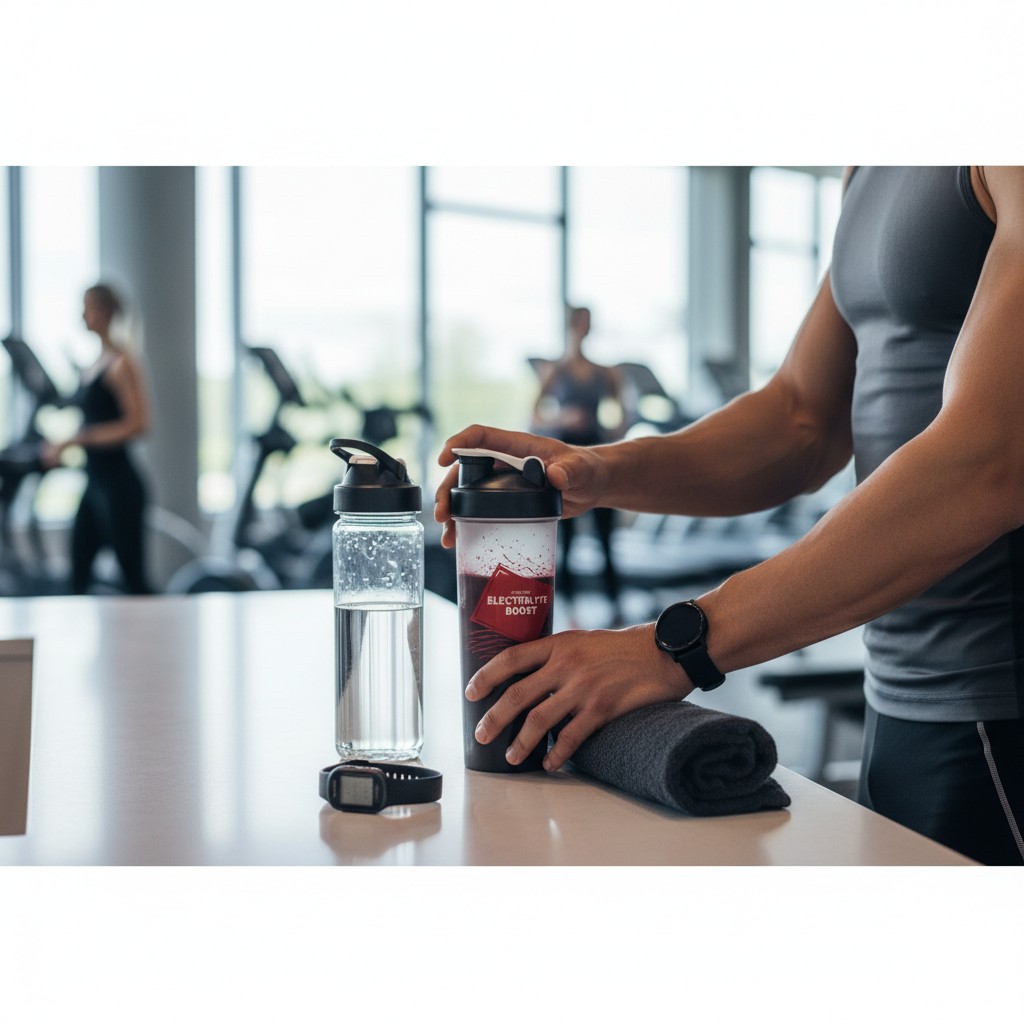
This guide breaks hydration into simple decisions you can actually make: what to drink, when to sip, how to use electrolytes without overdoing it, and how to spot red flags that suggest you should slow down or talk with a clinician.
Why hydration during workouts feels tricky in real life
Hydration is not just “replace water.” During exercise you lose fluid and electrolytes through sweat, and that shifts how your body regulates temperature, blood volume, and muscle function.
- Sweat rate varies a lot: genetics, heat, humidity, clothing, pace, and fitness level all change how much you lose.
- Electrolytes matter for longer or hotter sessions: sodium in particular helps you retain fluid and supports nerve and muscle signaling.
- GI comfort becomes the limiter: chugging can backfire, especially during runs or high-intensity intervals.
- Overhydration is possible: drinking excessive plain water for long periods can dilute blood sodium in rare cases, a risk that tends to rise during endurance events.
According to the American College of Sports Medicine (ACSM), hydration planning should account for individual sweat losses and the demands of the session rather than relying on a single universal rule.
Quick self-check: do you need water, electrolytes, or both?
If you want a fast decision tool, use this. It’s not medical advice, but it helps most people land on a reasonable plan.
Signs you may be underhydrated
- Thirst that ramps fast once you start moving
- Unusually high perceived effort early in the session
- Headache after training, or waking up “dry” the next morning
- Dark yellow urine consistently (one off mornings happen)
Signs you may need more sodium (not just more water)
- White salt streaks on clothing or skin after sweating
- Cramping that clusters late in long sessions (not every cramp is sodium-related, but it’s a common clue)
- Feeling “washed out” after long workouts even when you drank plenty
- Very sweaty workouts in heat or humidity
If you have high blood pressure, kidney disease, heart disease, or take medications that affect fluid balance, electrolyte strategies can be different, it’s smart to check with a qualified clinician or sports dietitian.
How much to drink: a practical range you can personalize
The most useful hydration plan is the one you can repeat without stomach drama. Start with a range, then tighten it using your own feedback.
Simple starting targets
- Before: drink enough so you begin the session comfortable, not sloshy. Many people do well with a glass or bottle over the hour or two beforehand.
- During: aim for small, frequent sips. For moderate sessions, that may be a few ounces every 10–20 minutes, adjusted for heat and sweat.
- After: rehydrate gradually, especially if you’re training again within 24 hours.
According to the Centers for Disease Control and Prevention (CDC), drinking water throughout the day and increasing intake around heat exposure can help reduce heat-related illness risk, especially when conditions are hot.
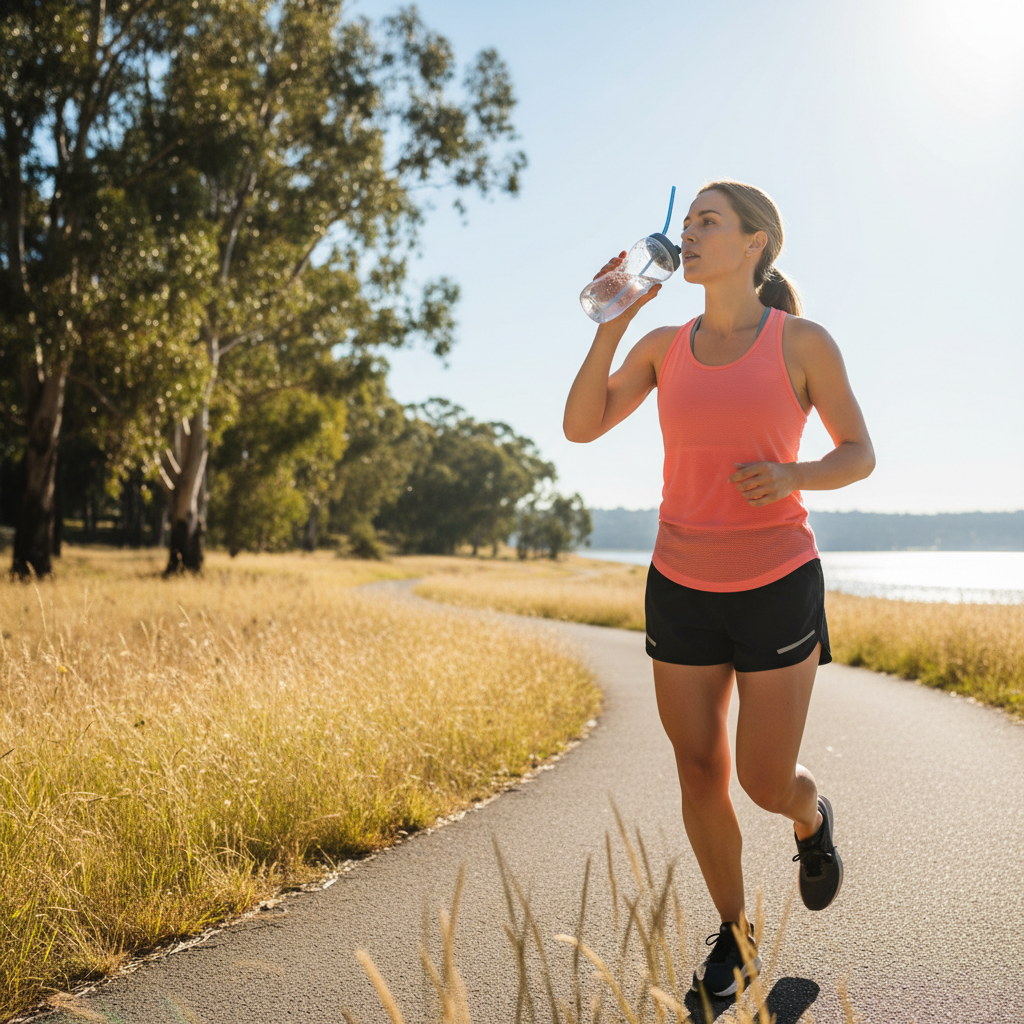
If you want a more “math-based” check, weigh yourself before and after a typical workout (no clothes change, towel off sweat). Big drops suggest you may need more fluid next time, while weight gain can mean you drank more than you lost. If you have a medical condition where weighing or fluid tracking is sensitive, skip this and keep it simple.
What to drink: water vs sports drinks vs electrolyte mixes
People often ask for the “best” drink, but the right choice depends on duration, intensity, and how hard you sweat. Use this as a practical decision chart, then adjust.
| Workout situation | What usually works | Why |
|---|---|---|
| Under ~60 minutes, moderate effort | Water | Fluid replacement often enough, less GI risk |
| 60–90+ minutes, steady cardio | Water + electrolytes (or sports drink) | Replaces sodium lost in sweat, supports fluid retention |
| Hot/humid conditions, heavy sweating | Electrolyte drink, consider extra sodium | Heat increases sweat loss and strain |
| Hard intervals or long endurance | Electrolytes + some carbs | Carbs can support performance and perceived effort |
Reading labels helps. Electrolyte products vary a lot: some are mostly flavor, some are sodium-forward, some add meaningful carbs. For long training, many athletes prefer a drink that’s not overly concentrated because strong mixes can irritate the stomach.
Timing that feels doable: before, during, after
Instead of rigid rules, think in three moments: set up, maintain, then recover. This keeps your plan realistic.
Before training
- Drink steadily in the hours before, not all at once right before you start.
- If you show up already thirsty, you’re playing catch-up, add a bit more fluid and consider electrolytes if you’re a salty sweater.
During training
- Use small sips on a schedule, especially when intensity rises and it’s easy to forget.
- For long sessions, add electrolytes earlier rather than waiting until cramps hit.
After training
- Rehydrate with water and a normal meal. Food often covers sodium and other minerals naturally.
- If you finished depleted, an electrolyte drink can be convenient, especially when appetite lags.
Common mistakes that quietly sabotage hydration
Most hydration problems are boring, not dramatic, and that’s why they repeat.
- Only drinking when thirsty during intense exercise: thirst is useful, but in hard sessions it may lag behind needs.
- Assuming “more water” fixes cramps: cramps can relate to fatigue, pacing, heat strain, or electrolytes, adding water alone can miss the real issue.
- Overconcentrating mixes: doubling scoops “for performance” often increases GI upset and can make you drink less overall.
- Ignoring the day before: a late salty meal, alcohol, poor sleep, or travel can shift fluid needs the next day.
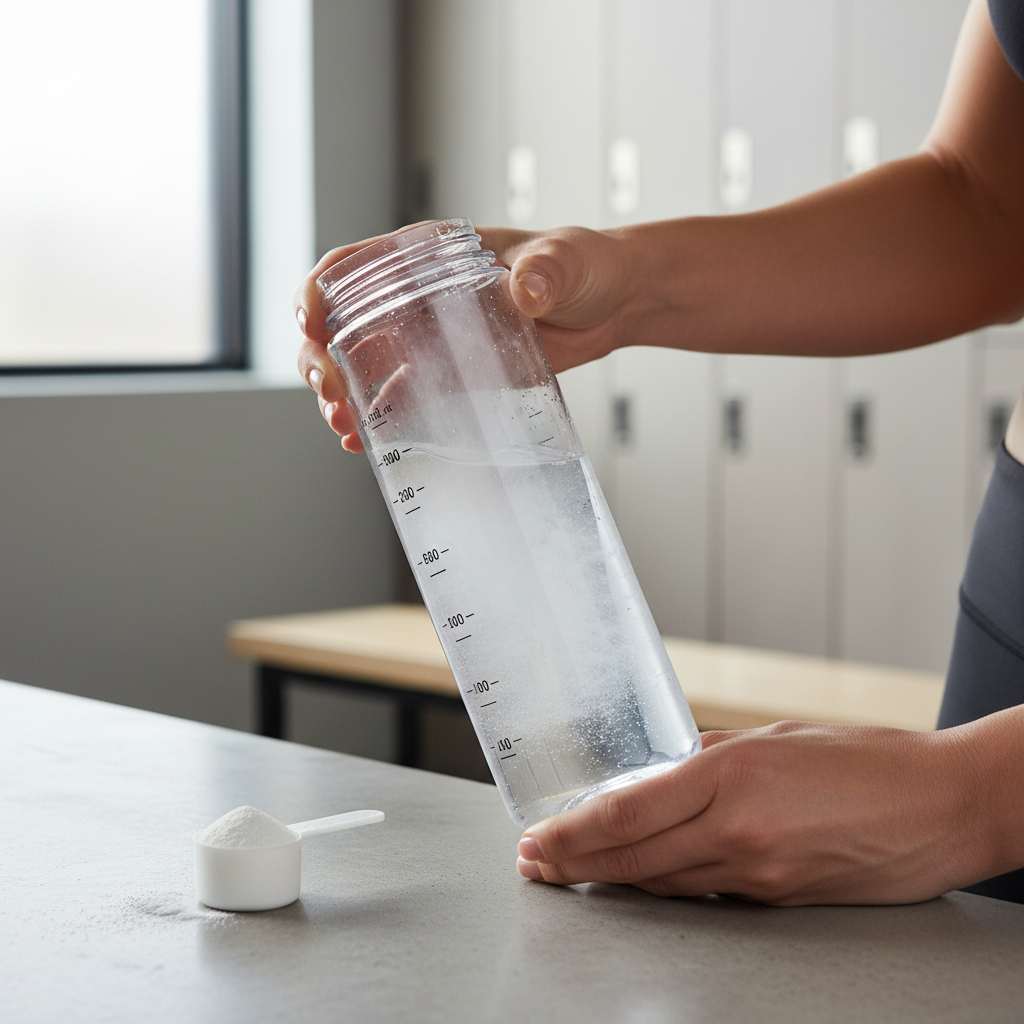
If you want workout hydration tips that stick, pick one change at a time. For example, add a mid-workout sip reminder, or switch one bottle per long session to electrolytes. Do that for a week, then reassess.
Actionable hydration plans for common workout types
Here are plug-and-play options. Adjust up in heat, down in cool weather, and always prioritize how you feel and how your stomach behaves.
Strength training (45–75 minutes)
- Bring a bottle and sip between sets.
- If you sweat heavily or train in a hot garage gym, consider electrolytes in your bottle.
- Post-lift meal plus water usually covers recovery.
Running or cycling (60–120 minutes)
- Start with water for the first part, then layer in electrolytes.
- For longer steady efforts, consider carbs in your drink or from gels/chews, depending on what your stomach tolerates.
- Practice your plan in training, not on race day.
HIIT or classes (30–60 minutes, high sweat)
- Show up hydrated because breaks can be short.
- If you regularly leave with a headache or feel wiped, try an electrolyte option once and see if recovery improves.
Hot weather training
- Use shade, lighter clothing, and lower intensity when needed, hydration cannot “out-drink” unsafe heat.
- Consider more sodium if you’re sweating through everything.
Key takeaways you can keep on your phone
- Water works for many workouts under an hour, but longer or hotter sessions often benefit from electrolytes.
- Sip early and consistently, chugging late tends to feel worse and help less.
- Salt loss is individual, your friend’s plan may not match your sweat rate.
- Test in training, then simplify the routine so you actually repeat it.
When to slow down or get professional help
Hydration advice has limits. If symptoms feel severe or unusual, it’s safer to stop and get evaluated.
- Confusion, fainting, chest pain, or severe shortness of breath
- Signs of heat illness such as persistent dizziness, chills in the heat, or nausea that escalates
- Swelling in hands/feet plus headache after overdrinking, especially during long events
- Medical conditions or medications that affect fluid and sodium balance
According to Mayo Clinic, heat-related illness can become serious quickly, and you should seek medical attention when symptoms worsen or do not improve with cooling and rest.
Conclusion: keep it simple, then personalize
The best workout hydration tips are the ones you can repeat without thinking: start the session already comfortable, sip on a loose schedule, and add electrolytes when duration, heat, or sweat loss pushes you past “water only.”
If you want one action step today, do a single test session this week: bring two bottles, one water and one electrolyte, and note energy, cramps, and recovery. Then keep what works, drop what feels fussy.
FAQ
How do I know if I’m drinking enough during a workout?
You usually feel steady energy, normal concentration, and manageable perceived effort. If you finish consistently wiped with a headache or unusually dark urine later, you may need more fluid or sodium.
Are electrolyte drinks necessary for every workout?
Not always. For many people, water covers shorter sessions. Electrolytes become more useful when workouts run long, sweat is heavy, or conditions are hot.
Can I drink too much water while exercising?
Yes, in some situations. Overdrinking large amounts of plain water for long periods can dilute blood sodium. If you’re doing endurance events, a planned approach that includes electrolytes can be safer, and if you have concerns, ask a clinician.
What are “salty sweater” signs?
Salt stains on clothing, gritty salt on skin, and feeling depleted even after drinking plenty can be clues. It does not prove a sodium issue, but it often points you toward trying electrolytes.
Should I drink cold water or room-temperature water?
Whichever helps you drink consistently. Many people find cool drinks easier in the heat, but room temperature can feel gentler on the stomach during hard efforts.
Do I need carbs in my drink too?
For longer or tougher sessions, carbs can help maintain performance and make the work feel more sustainable. For short strength workouts, carbs in a drink are usually optional if meals cover your needs.
Why do I still cramp even when I hydrate?
Cramps are multi-factor. Fatigue, pace, heat strain, and muscle conditioning play roles alongside fluid and sodium. If cramps are frequent or severe, a sports medicine professional can help you troubleshoot.
If you’re trying to dial in a routine without overthinking, build a small “hydration kit” for training, a reliable bottle, an electrolyte option you tolerate, and a simple sip schedule, then adjust based on how you perform and recover.