
Muscle recovery diet choices matter most when soreness, fatigue, or “heavy legs” starts affecting your next workout, because food is one of the few levers you can pull the same day to support repair and refill energy.
If you train hard but eat randomly, recovery often turns into guesswork, you feel fine one week and wrecked the next. The goal here is simpler: pick foods that reliably cover protein for muscle repair, carbs to restore glycogen, fluids and electrolytes for hydration, plus a few micronutrients that athletes commonly miss.
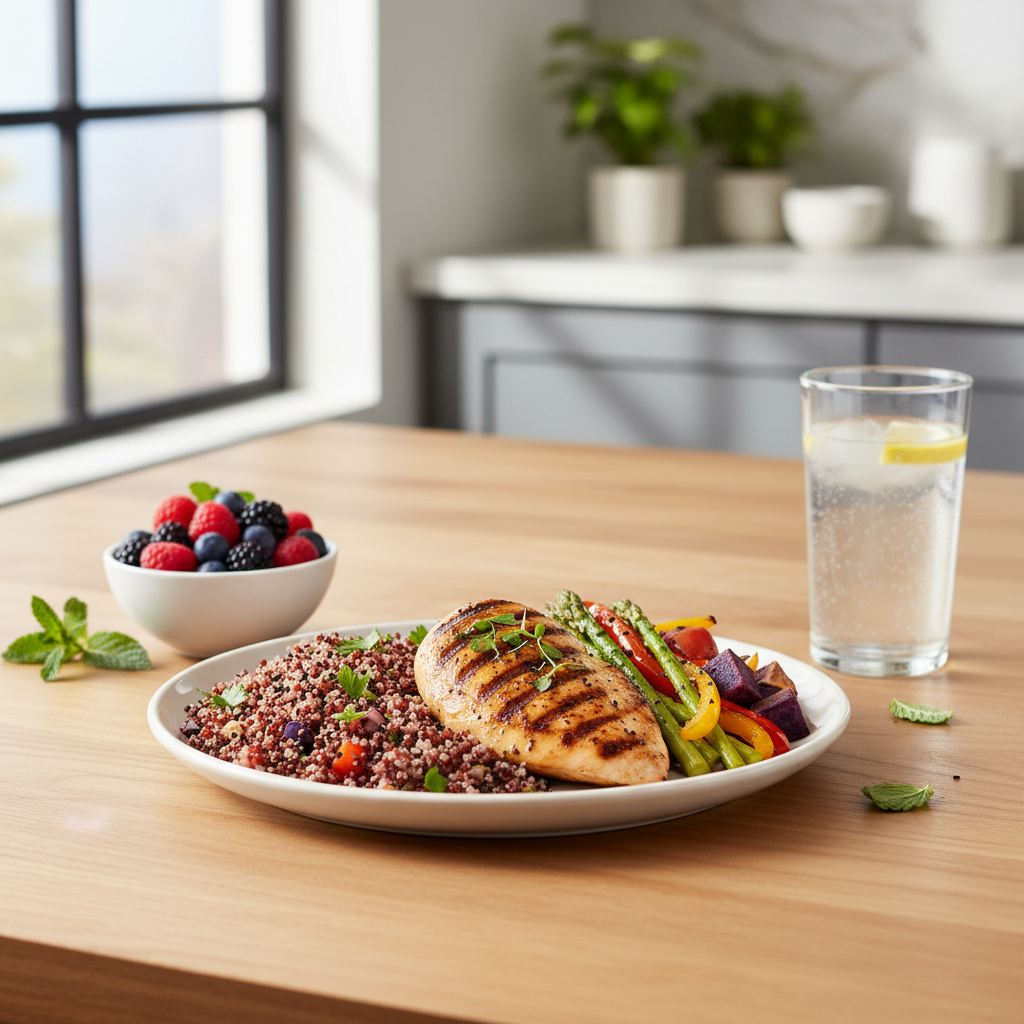
You do not need exotic “superfoods,” but you do need the basics done consistently. And if you have kidney disease, diabetes, a history of eating disorders, or you take medications that affect electrolytes, it’s smart to run major diet changes by a clinician or a registered dietitian.
What your body needs to recover (and why food helps)
After training, your body juggles a few jobs at once: repairing muscle tissue, calming inflammation from the workout stress, and replenishing stored fuel so tomorrow’s session does not feel like a grind.
- Protein supplies amino acids, the building blocks used in muscle protein synthesis.
- Carbohydrates refill glycogen, the stored form of glucose that powers lifting, sprinting, and longer sessions.
- Fluids + electrolytes replace sweat losses, helping performance and reducing the “dragging” feeling later.
- Micronutrients like magnesium, potassium, vitamin D, and iron can influence energy levels and muscle function, depending on your baseline intake.
According to the International Society of Sports Nutrition (ISSN), post-exercise protein supports muscle remodeling, and pairing it with carbohydrate can help recovery when training volume is high.
Foods that support muscle repair: protein choices that actually fit real life
Most people know “eat more protein,” but the practical question is what you can repeat on busy days. For a muscle recovery diet, consistency beats perfection, and mixing animal and plant sources often makes it easier to hit targets.
High-quality animal proteins
- Greek yogurt or cottage cheese: easy post-workout, also useful as a late snack.
- Eggs: quick, budget-friendly, and flexible.
- Chicken or turkey: lean, easy to batch-cook.
- Salmon: adds omega-3 fats, which may help manage exercise-related inflammation for some people.
- Whey protein: convenient when appetite is low right after training.
Strong plant options (especially if you train a lot)
- Tofu, tempeh, edamame: high-protein soy foods with good leucine content.
- Lentils and beans: protein plus carbs and fiber, great for meal bowls.
- Seitan: very high protein, but not for people avoiding gluten.
- Pea or soy protein powder: helpful for smoothies and quick shakes.
Small reality check: if you go plant-based, you may need slightly larger portions or more deliberate planning to reach protein goals without feeling uncomfortably full.
Foods that refill energy: carbs that help you bounce back
Carbs get unfairly treated as optional, but if you lift frequently, run, play sports, or do two-a-days, low glycogen is a common reason recovery feels slow. A muscle recovery diet usually works better when carbs match training load.
- Rice, oats, potatoes, pasta: reliable, easy to digest for many people.
- Whole-grain bread or tortillas: practical for quick sandwiches and wraps.
- Fruit like bananas, berries, oranges, and grapes: quick carbs plus antioxidants.
- Legumes: slower-digesting carbs, good when you have hours before the next session.
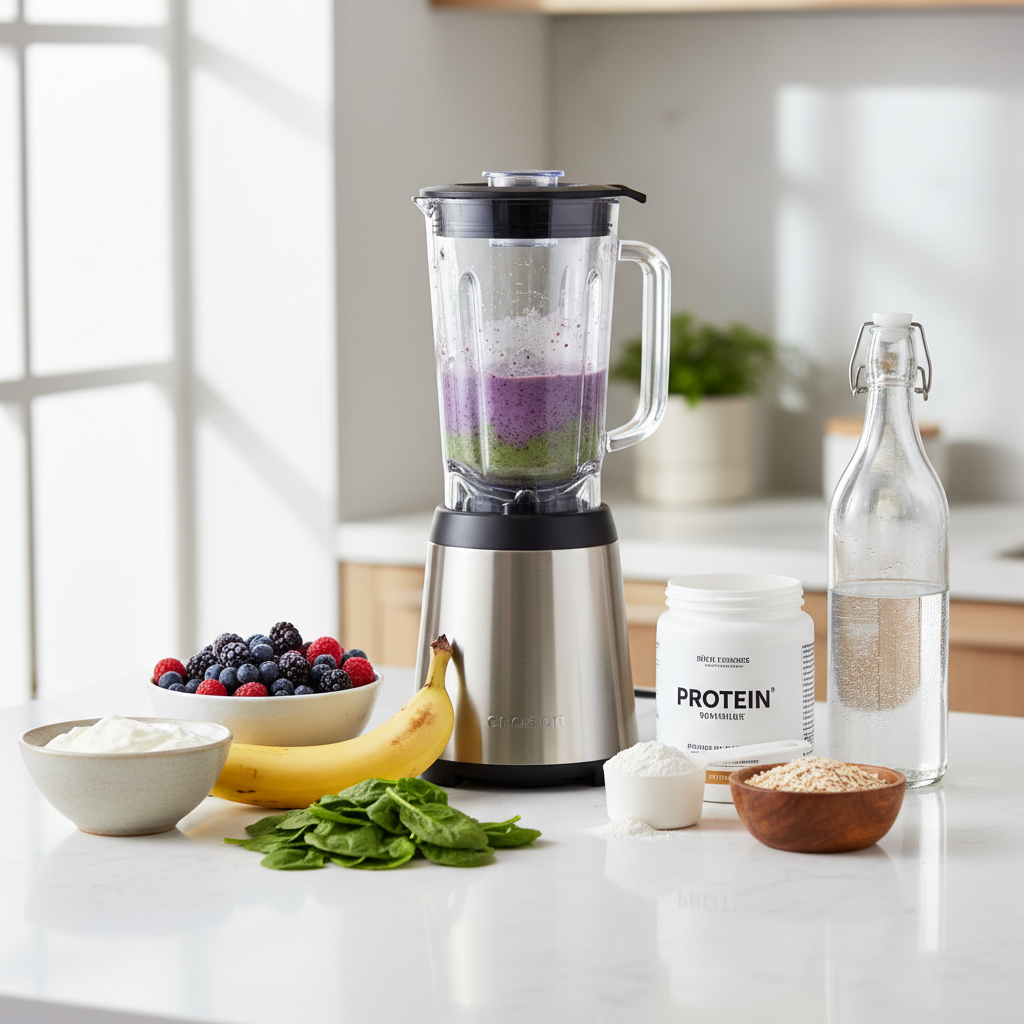
When timing matters: if you train again within about 24 hours, carbs after training often feel like the difference between “I can go again” and “I’m still sore and flat.” If you train lightly a couple times a week, carb timing matters less than total intake.
Hydration and electrolytes: the quiet recovery limiter
You can nail protein and still feel off if hydration stays behind, especially in hot weather, long sessions, or when you sweat salty. Many people blame soreness when the bigger issue is fatigue from being under-hydrated.
- Water: still the base, boring but effective.
- Milk or soy milk: fluids plus protein and carbs, useful after lifting.
- Electrolyte drink: helpful after long or very sweaty sessions, or if cramps hit often.
- Foods with potassium: bananas, potatoes, beans, yogurt.
- Foods with magnesium: pumpkin seeds, almonds, spinach, black beans.
According to the American College of Sports Medicine (ACSM), replacing fluids and electrolytes lost in sweat supports performance and recovery, particularly for longer or hotter workouts. If you have high blood pressure or kidney issues, ask a professional before aggressively increasing sodium or using high-electrolyte products.
A simple muscle recovery diet plate (with a quick table you can copy)
If you want one rule that usually works, build a plate with protein + carbs + color, then add fluids. It sounds basic because it is, and it works because it’s repeatable.
Quick plate formula: 1 palm protein + 1–2 cupped hands carbs + 1–2 fists produce + 1 thumb fat, then drink water.
| Situation | What to prioritize | Food examples |
|---|---|---|
| Right after lifting (no big appetite) | Easy protein + some carbs | Greek yogurt + banana, whey shake + oats, chocolate milk |
| Hard training day (next workout soon) | More carbs + steady protein | Chicken rice bowl, pasta with turkey, tofu stir-fry with noodles |
| Endurance or long sweaty session | Fluids + electrolytes + carbs | Electrolyte drink, potatoes, fruit, soup with salt |
| Rest day but still sore | Protein spread out + produce | Eggs at breakfast, lentil salad at lunch, salmon at dinner |
Self-check: why your recovery still feels slow
Before you buy a new supplement, check these. In practice, one or two weak links cause most “I’m not recovering” complaints.
- Protein shows up once per day, not 2–4 times. Many people under-dose breakfast and lunch.
- Carbs too low for training volume, especially with frequent HIIT, running, or sport practice.
- Hydration guessing game, urine very dark or you rarely pee between workouts.
- Sleep inconsistent. Diet helps, but poor sleep can overpower a good menu.
- Training load jumps fast, like adding miles and lifting volume in the same week.
- Calories too low overall. Recovery stalls when you chronically under-eat.
If two or more items ring true, your fix is rarely one magic food. It’s usually tightening the routine for a week and watching soreness, energy, and performance.
Practical game plan: what to eat today, this week, and on busy days
Here’s the part people actually use, because it fits normal schedules.
Today (next 24 hours)
- Within a couple hours post-workout: get a protein anchor (yogurt, eggs, chicken, tofu, protein shake) and add carbs if training was hard.
- At dinner: choose a full plate, not “snacks that add up.” Think salmon + potatoes + salad, or tofu + rice + veggies.
- Before bed if you wake up hungry: a small protein snack, like cottage cheese or yogurt, may help some people meet needs without forcing a huge dinner.
This week (the sustainable setup)
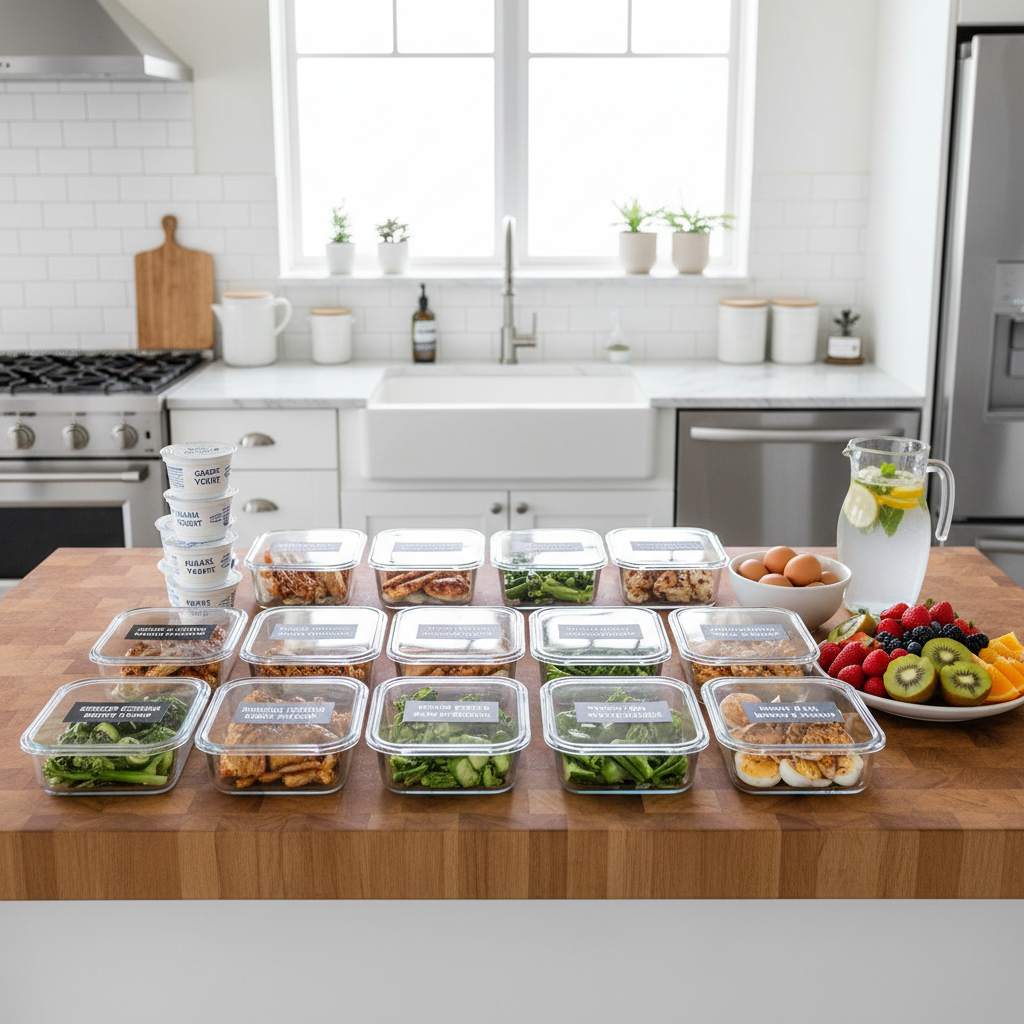
- Pick 2 proteins to batch-cook: chicken thighs and tofu, or turkey and lentils.
- Pick 2 carbs that reheat well: rice and potatoes, or oats and pasta.
- Buy “lazy produce”: bagged salad, frozen berries, frozen mixed veg.
- Make hydration automatic: bottle on desk, electrolyte option for long sessions.
Busy-day recovery meals (no cooking skills required)
- Rotisserie chicken + microwavable rice + pre-cut veggies
- Greek yogurt + granola/oats + berries
- Tuna packet + whole-grain bread + fruit
- Protein smoothie: milk/soy milk + banana + frozen berries + protein powder
Key point: if your muscle recovery diet fails on busy days, it fails overall, so plan for the worst days, not the best ones.
Common mistakes that look “healthy” but slow recovery
- Going very low-carb while doing high-volume training, recovery can feel sluggish even if protein looks fine.
- Protein only at dinner, you end up trying to “make up” for it at night.
- Under-eating fats for too long, hormones and appetite can get weird, especially with heavy training.
- Alcohol after hard sessions, many people notice worse sleep and more soreness.
- Chasing supplements first, when sleep, total calories, and hydration stay inconsistent.
None of this means you must eat perfectly. It means you should avoid the few habits that predictably make recovery harder.
When to get professional help
If soreness feels extreme, lasts unusually long, or performance drops for weeks, food might not be the main issue. Consider asking a professional if you notice any of these patterns.
- Persistent fatigue, dizziness, or shortness of breath with normal training
- Frequent injuries or pain that changes how you move
- Unexplained weight loss, missed periods, or signs of low energy availability
- Medical conditions that affect kidneys, blood sugar, or digestion
A sports dietitian can tailor a muscle recovery diet around your training, schedule, and lab work if needed. If symptoms feel urgent or severe, seek medical care.
Conclusion: make recovery boring, and it starts working
The best “recovery foods” are the ones you can repeat: solid protein, enough carbs for your training, and hydration you do not leave to chance. Pick two post-workout options you genuinely like, set up a simple weekly grocery pattern, and give it 10–14 days before judging results.
If you want a clean starting move, build your next three meals around a protein anchor and add carbs on training days, then track energy and soreness rather than obsessing over one ingredient.
FAQ
- What are the best foods for a muscle recovery diet after a workout?
Foods that combine protein and carbs tend to work well for most people, like Greek yogurt with fruit, a chicken-and-rice bowl, or a protein smoothie with oats. - Do I need to eat immediately after training to recover?
Many people do fine eating within a couple hours. The tighter the turnaround to your next session, the more helpful earlier protein and carbs may feel. - How much protein should I eat for recovery?
Needs vary by body size, training, and goals. According to the International Society of Sports Nutrition (ISSN), higher-protein intakes can support athletes, but an individual target is best set with a qualified pro. - Are anti-inflammatory foods useful for soreness?
They can be part of the picture. Fatty fish, colorful produce, and olive oil often fit well, but soreness also depends on training load, sleep, and total calories. - Can I do a muscle recovery diet if I’m vegetarian?
Yes, but it helps to plan. Use tofu/tempeh, Greek yogurt or eggs if you eat them, plus beans, lentils, and a quality plant protein powder when convenient. - What should I drink for recovery: water or electrolytes?
For shorter, cooler sessions, water is usually enough. For long or sweaty workouts, an electrolyte drink or salty foods may help, especially if you cramp or feel depleted. - Why am I still sore even with “clean eating”?
Often it’s not food quality, it’s totals and timing: not enough calories, protein too infrequent, carbs too low for your volume, or hydration and sleep staying inconsistent.
If you’re trying to simplify your muscle recovery diet without tracking everything, a short food-and-training log for one week can reveal the real bottleneck fast, and a registered dietitian can help translate that into an easy plan you can actually stick with.