
How to train for a long distance bike ride usually comes down to three things you can control: consistency, smart intensity, and fueling that matches the effort.
If you’ve ever finished a “big” ride feeling wrecked for two days, or you’ve watched your legs fade halfway through even though your lungs feel fine, you’re not alone, long-distance riding exposes gaps that shorter rides hide.
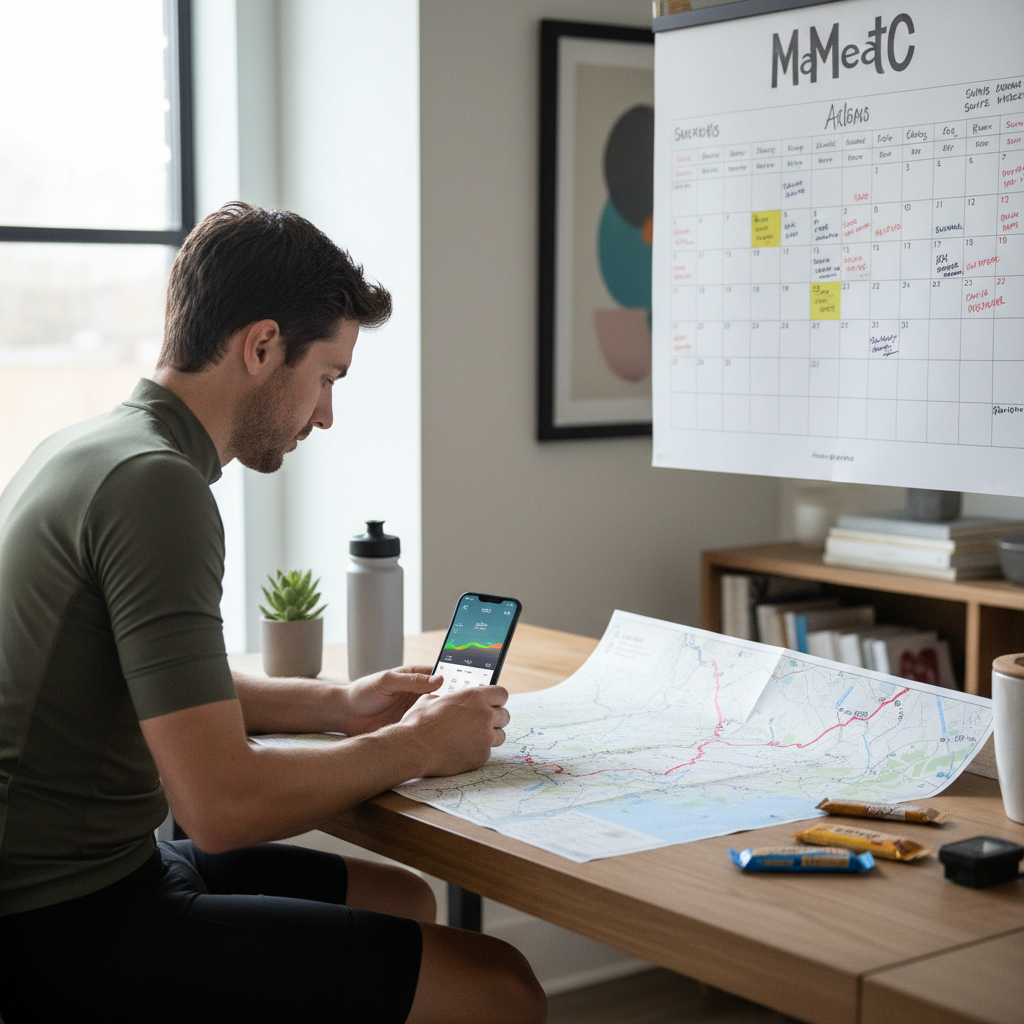
This guide keeps it practical: how to choose a realistic goal, what to ride each week, how hard to go, and what to eat and drink so your training actually shows up on ride day.
Set a clear target (distance, terrain, and time window)
“Long distance” can mean 40 miles for one rider and 120 miles for another. Your plan gets much easier once the goal stops being vague.
- Distance and elevation: Flat 80 miles feels nothing like hilly 80 miles.
- Event date: Even 6–8 weeks can work, but it changes how aggressive you should be.
- Comfort constraints: Hands numb, saddle soreness, neck tightness, these limit long rides before fitness does.
Quick reality check: if your longest ride in the past month is 20 miles, jumping straight to 100 in a few weeks is possible for some people, but it often turns into an injury or a miserable day. Better goal setting beats hero workouts.
What actually builds endurance for cycling (and what doesn’t)
Endurance isn’t one magic ride, it’s the accumulation of steady volume plus a little bit of “hard” work that nudges your body to adapt.
The training pieces that matter
- Easy aerobic riding: Comfortable pace where you can talk in full sentences, it builds the base.
- Tempo / sweet spot work: “Comfortably hard” efforts that teach you to hold speed for long stretches.
- Long ride: One ride each week that gradually extends time in the saddle.
- Recovery: The part most riders skip, and then wonder why they feel flat.
Common time-wasters (still fun, just not the main event)
- All-out sprints every ride, great for power, not the best return for long-distance readiness.
- Random miles with no long ride progression, you stay “generally fit” but stall on endurance.
- Training hard while under-fueling, you can’t adapt to work you can’t recover from.
Self-check: are you ready to start a long-distance build?
Before you stack weeks of volume, check these boxes. If you miss a few, it doesn’t mean “don’t do it,” it means start a little gentler.
- You can ride 60–90 minutes at an easy pace without knee pain or sharp discomfort.
- You can complete 2–3 rides per week for two weeks without feeling run down.
- Your bike fit is “basically comfortable” for at least an hour, no major numbness.
- You understand your gearing and can maintain cadence (not grinding every hill).
If pain shows up early or grows each week, consider a bike fit or a medical check. According to the American College of Sports Medicine (ACSM), people should progress training gradually and pay attention to warning signs that suggest overuse or injury risk.
A simple 8-week training framework (adjustable)
If you’re searching how to train for a long distance bike ride, this is the structure most riders can stick with: 3–4 rides per week, one long ride, one quality session, and the rest easy.
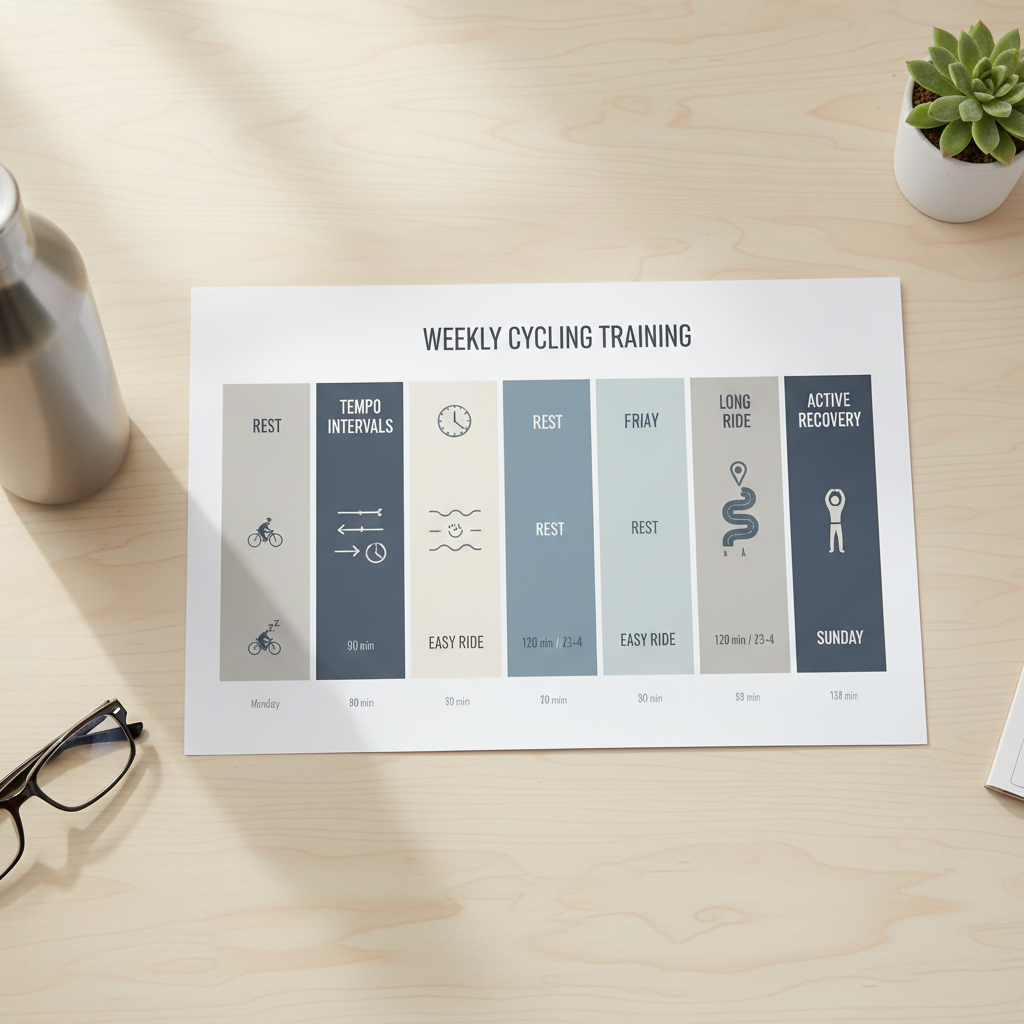
Weekly template (most common)
- Ride 1 (easy): 45–75 minutes conversational pace
- Ride 2 (quality): tempo/sweet spot intervals (details below)
- Ride 3 (easy or skills): easy spin + cadence drills
- Ride 4 (long ride): steady endurance pace
Long ride progression (time-based is usually safer)
Time-in-saddle builds what you need, and it reduces the temptation to “chase miles” in bad conditions.
| Week | Long ride target | Notes |
|---|---|---|
| 1 | 1:30–2:00 | Keep it easy, practice fueling |
| 2 | 2:00–2:30 | Add gentle hills if your goal is hilly |
| 3 | 2:30–3:00 | Comfort focus: hands, saddle, pacing |
| 4 | 2:00–2:30 | Cutback week to absorb training |
| 5 | 3:00–3:30 | Fuel every 20–30 minutes |
| 6 | 3:30–4:15 | Ride goal-like terrain, stay controlled |
| 7 | 2:30–3:15 | Taper starts, reduce fatigue |
| 8 | Event week | Short easy rides, legs fresh |
If your goal ride is very long (century+), many riders do best by building to a long ride that’s 70–80% of event time, not 100%. You don’t need to “prove it” in training.
How hard should you ride? Use effort, not ego
Pacing mistakes are the #1 reason strong riders blow up. The fix is boring but effective: keep most rides easy, then aim your intensity.
Simple intensity guide (no power meter required)
- Easy endurance: you can talk comfortably, breathing steady
- Tempo: you can speak short sentences, feels sustainable
- Hard intervals: only a few words, you need recovery between efforts
On long rides, stay mostly in “easy endurance.” Save the ego efforts for short hills or planned segments. According to Centers for Disease Control and Prevention (CDC), building physical activity gradually can reduce risk of injury and improve adherence, which matters more than a perfect week on paper.
A solid weekly “quality” workout
- Warm up 15 minutes easy
- 3 x 10 minutes tempo with 5 minutes easy between
- Cool down 10–15 minutes easy
When that feels manageable, shift to 2 x 15 minutes, then 3 x 12 minutes, small steps keep you progressing without frying your legs.
Fueling and hydration: the long-ride multiplier
Many people think they’re under-trained when they’re under-fueled. If your energy craters at the two-hour mark, this is the first place to look.
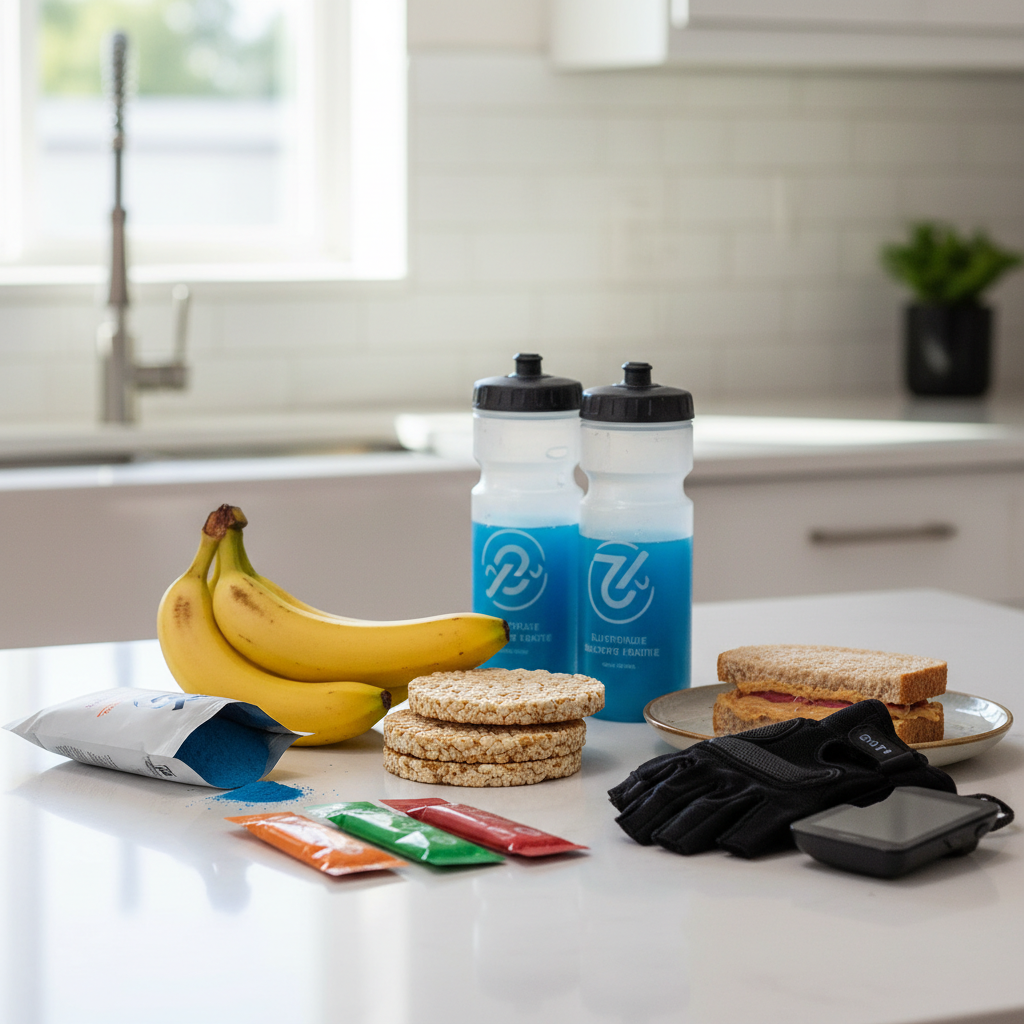
On-bike fueling basics (typical starting point)
- Carbs: many riders start around 30–60g carbs per hour, then adjust upward if tolerated
- Fluids: drink to thirst, increase in heat, aim for steady sipping not chugging
- Electrolytes: helpful in hot conditions or heavy sweaters
According to Academy of Nutrition and Dietetics, endurance performance often improves with planned carbohydrate intake during longer exercise, but individual tolerance varies, so practice during training, not on event day.
Simple “every 30 minutes” routine
- 0:30: a few big sips + a small carb portion
- 1:00: repeat
- 1:30: repeat
- 2:00: reassess, if hunger hits, you waited too long
Key point: fueling should start early, once you feel depleted, it can take a long time to recover.
Comfort, bike setup, and strength: what keeps you riding late in the day
Fitness gets you to mile 40, comfort gets you through mile 80. For many riders, that’s the difference between “I finished” and “I want to do this again.”
Comfort checks that pay off fast
- Saddle and shorts: avoid brand-new gear on the big ride, test on long training days
- Hand positions: use multiple grips, adjust hood angle if wrists ache
- Tire pressure: slightly lower pressures often improve comfort and control, especially on rough roads
- Gearing: a low enough gear prevents knee-grinding on climbs
Light strength work (2x/week, 15–25 minutes)
- Bodyweight squats or split squats
- Glute bridge or hip hinge movement
- Calf raises
- Plank variations for trunk stability
If you have a history of knee or back issues, it’s smart to check with a qualified clinician or coach before adding load.
Ride-week execution: taper, pacing, and a calm plan
Training matters, but the last week is where people sabotage themselves, either by panic-training or by trying new things.
What to do in the final 7 days
- Reduce volume: keep a couple short rides, skip fatigue-building sessions
- Keep legs awake: 2–3 short bursts (30–60 seconds) during an easy ride, not a full workout
- Sleep and food: prioritize routine meals, don’t “carb load” with unfamiliar foods
Pacing rule that prevents blow-ups
- First hour should feel almost too easy
- Climbs: spin a comfortable cadence, avoid standing surges early
- Last third: if you feel good, build effort gradually
If you still feel unsure how to train for a long distance bike ride, focus on nailing two things this week: one steady long ride, and consistent fueling practice, those translate directly to ride day.
Key takeaways (save this)
- Consistency beats hero rides, 3–4 rides a week usually works better than occasional massive days.
- Your long ride should progress in time, with a cutback week to recover.
- Keep most riding easy, add one tempo-focused workout weekly.
- Fuel early and regularly, practice what you plan to use on the event.
- Comfort issues deserve as much attention as fitness.
Conclusion: build the engine, then protect it
Long-distance readiness is less mysterious than it looks: ride often enough to build durability, go hard on purpose not by accident, and treat fueling like part of training, not an afterthought. Pick your target, follow a simple weekly structure, then show up on ride day with a calm pacing plan and familiar nutrition.
If you want a clean next step, schedule your long ride for this weekend, choose a time goal, and write down exactly what you’ll eat and drink each hour, that small bit of planning tends to separate “survived” from “enjoyed.”