
Home Gym setups don’t need a spare room, a huge budget, or a complicated plan, you mainly need a clear goal, a small footprint, and a short list of gear you will actually use.
Most people get stuck in the same spot, they buy random equipment based on hype, then it clutters a corner and turns into a coat rack. A small setup works best when each item earns its floor space, and when your routine matches the equipment.
This guide walks you through choosing a spot, picking versatile equipment, and building a simple training flow you can repeat, plus a few safety notes so you don’t learn lessons the hard way.
Start with a realistic plan (space, goals, and constraints)
Before you shop, decide what “success” means for you in the next 8–12 weeks, strength, fat loss, mobility, stress relief, or just being consistent three days a week. The best small gym is the one you’ll use when you’re tired.
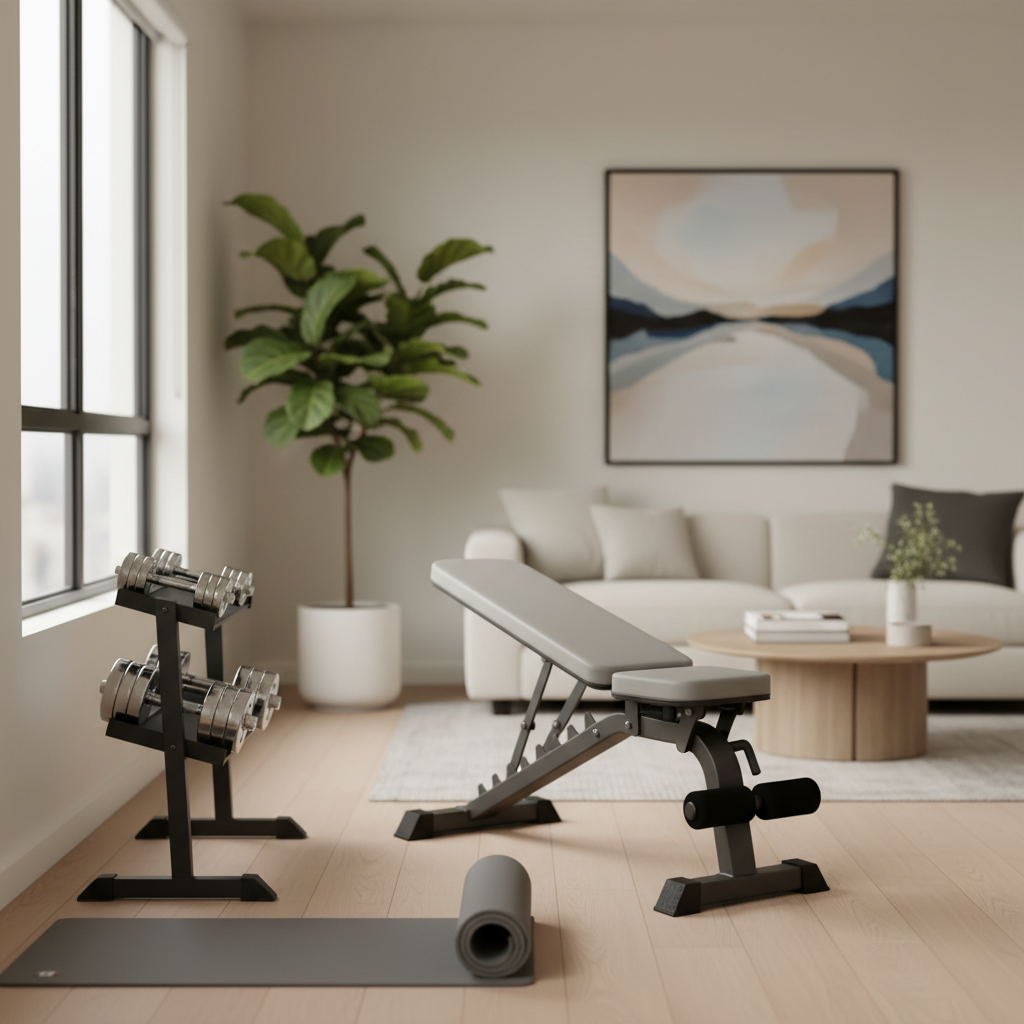
Quick constraints checklist, be honest here, it saves money:
- Space: do you have a 4x6 ft corner, a garage bay, or just room to roll out a mat?
- Noise: apartment floors and downstairs neighbors may limit jumping or heavy drops.
- Storage: can equipment live out, or must it tuck into a closet?
- Training style: strength training needs stable footing, cardio can be lower-impact.
If you share the space, choose gear that sets up fast and breaks down quickly, friction kills consistency more than most people expect.
Pick a layout that keeps setup time under 2 minutes
The ideal small footprint usually has three zones, even if they overlap, a floor zone (mat), a strength zone (weights), and a “small stuff” zone (bands, timer, towel). You’re trying to avoid hunting for things mid-workout.
Practical layout tips that tend to work in real homes:
- Wall-first storage: a vertical rack or shelves beats stacking items on the floor.
- Protect your floor: use rubber tiles or a thick mat under weights, it reduces wobble and noise.
- Leave one clear step: keep one open strip for lunges, carries, or a warm-up walk in place.
According to CDC, adults benefit from both aerobic activity and muscle-strengthening activities each week, so your layout should make it easy to do both without a total reset between them.
The “small but complete” equipment list (and what to skip)
If you’re building a Home Gym from scratch, versatility matters more than max load, especially in the beginning. Think in movement patterns, push, pull, squat, hinge, carry, core.
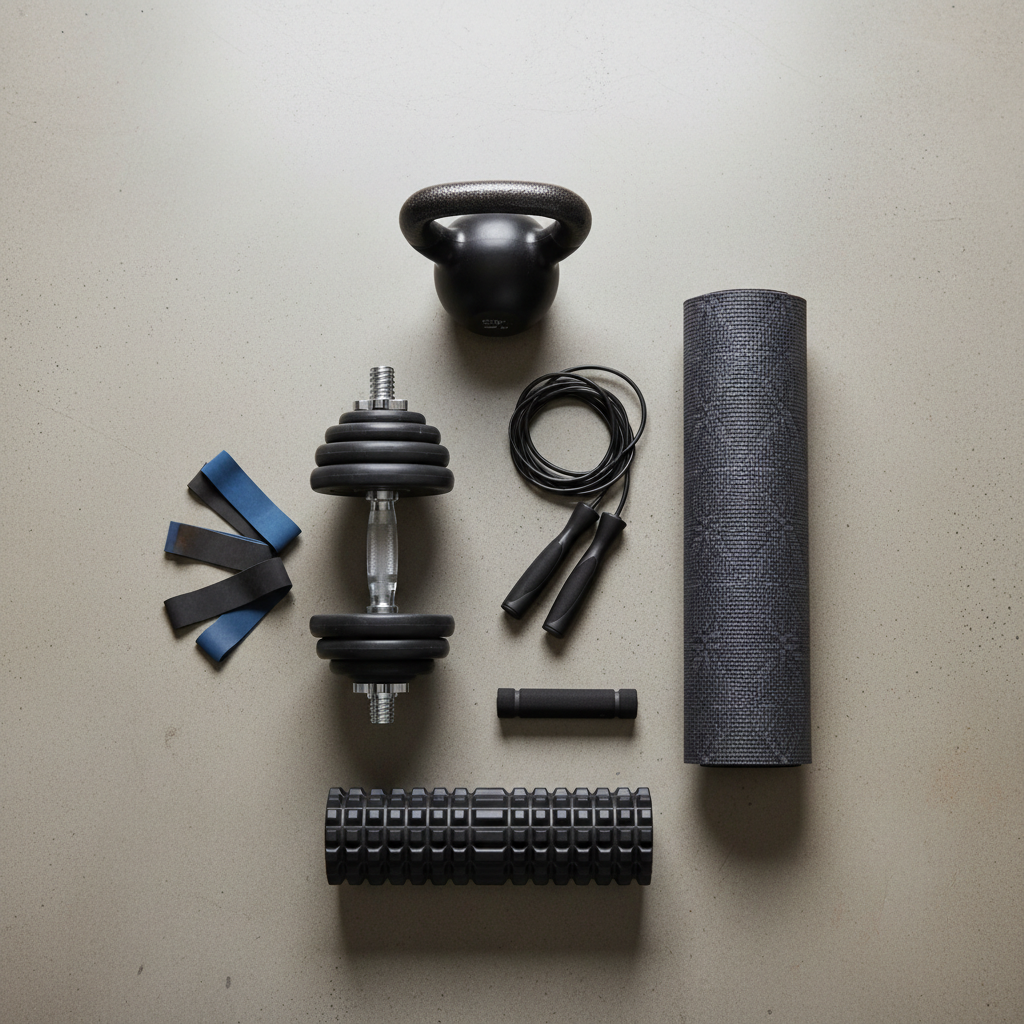
Core gear that covers most people
- Adjustable dumbbells or a small dumbbell set, big range of exercises, small footprint
- Resistance bands (loop + long), great for pulls, warm-ups, and light accessory work
- Adjustable bench (optional but high value), upgrades pressing and rows without adding much space
- Exercise mat, for floor work, mobility, and joint comfort
- Pull-up bar (doorframe or wall-mounted), if your doorframes and rules allow it
Nice-to-haves (pick one based on goals)
- Kettlebell for swings, goblet squats, carries
- Cardio option like a jump rope, compact stepper, or a foldable bike if noise allows
- Foam roller or massage ball for recovery
What to skip early (usually)
- Single-purpose machines that eat space and lock you into one movement
- Ultra-cheap benches or racks that feel unstable, safety matters more than saving $40
- Buying heavy too soon, form and progression beat ego purchases
Budget tiers that make sense (with a quick comparison table)
Costs vary a lot by brand, sales, and whether you buy used, so treat tiers as planning buckets rather than a promise. If you can, prioritize fewer, better items instead of a pile of flimsy gear.
| Tier | Best for | Typical contents | Trade-offs |
|---|---|---|---|
| Starter | Small space, consistency | Bands, mat, jump rope, 1–2 dumbbell pairs | Limited load progression |
| Core | Strength + general fitness | Adjustable dumbbells, bench, bands, floor protection | Heavier moves still limited vs barbell |
| Strength-focused | Serious strength training | Rack, barbell, plates, bench, safety arms, rubber flooring | More space, noise, and setup time |
Used marketplaces can help, but inspect moving parts and welds, and avoid anything that looks bent or wobbly. When in doubt, pass.
Simple routines that match a small setup (3 options)
A small Home Gym shines when your plan is repeatable. You don’t need endless variety, you need a few solid sessions that cover the basics and progress over time.
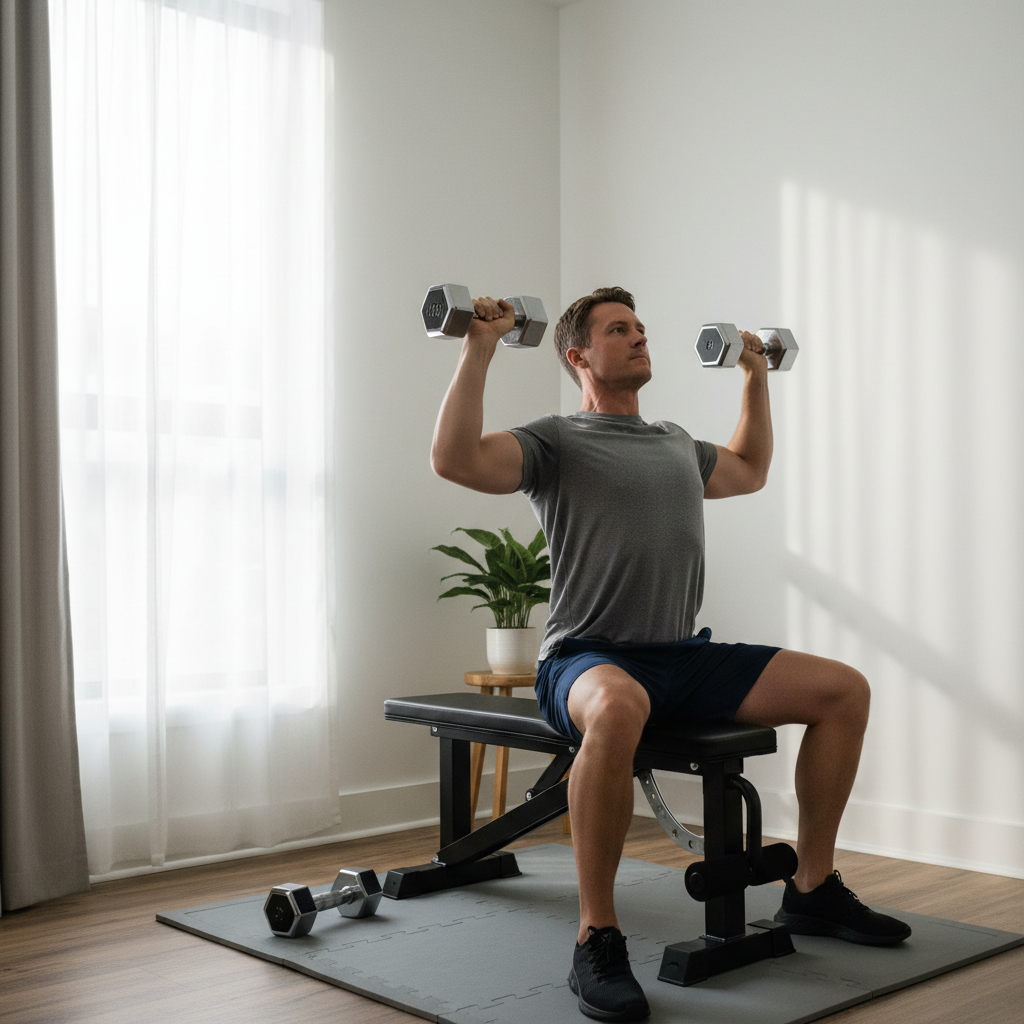
Option A: Full-body, 3 days/week (most beginner-friendly)
- Goblet squat or split squat: 3 sets of 8–12
- Dumbbell press (floor or bench): 3 sets of 8–12
- One-arm dumbbell row or band row: 3 sets of 10–15
- Hip hinge (RDL with dumbbells): 3 sets of 8–12
- Carry or plank: 2–3 rounds
Option B: Upper/Lower split, 4 days/week (if you like structure)
- Upper: press, row, overhead press, pulldown/pull-up variation, arms
- Lower: squat variation, hinge variation, lunge, calves, core
Option C: 20-minute “minimum effective” sessions (busy weeks)
- Pick 3 moves, squat, push, pull
- Set a timer for 20 minutes, cycle through at a steady pace
- Stop with 1–2 reps in reserve most sets, keep form clean
Key point: progression can be adding reps, slowing tempo, shortening rest, or increasing load, you don’t need new equipment every month.
Safety and comfort details people regret ignoring
Injury risk often shows up from small decisions, slippery flooring, unstable benches, rushing warm-ups, or pushing fatigue too hard. If you have medical conditions, pain, or you’re returning after a long break, it’s reasonable to consult a qualified healthcare professional or certified trainer.
Small things worth doing from day one:
- Warm up 5–8 minutes with easy movement and a few lighter sets of your first exercise
- Control the lowering phase of lifts, fast drops and twisting reps cause problems
- Keep walkways clear so you don’t step on bands, plates, or handles
- Ventilation and hydration matter more than you think in a tight room
According to ACSM, resistance training is generally safe when properly prescribed and performed, that “properly” part is the whole game, conservative loads and consistent technique beat heroic sessions.
Step-by-step: build your small gym in one weekend
If you want the easiest path, follow a short sequence and avoid browsing rabbit holes.
- Step 1: pick the exact footprint, tape it on the floor, then commit to staying inside it
- Step 2: buy floor protection and storage first, your gear stays usable longer
- Step 3: choose one primary strength tool, adjustable dumbbells or a kettlebell
- Step 4: add bands and a mat, they expand exercise options fast
- Step 5: write a 3-day routine on paper and do the first workout immediately
That last step is the “secret,” if your first session waits until everything is perfect, the project tends to stall.
Conclusion: keep it small, keep it usable
A small Home Gym works when it reduces friction, not when it tries to copy a commercial facility. Pick a footprint you can keep tidy, buy a few versatile pieces, and run a simple plan long enough to see progress.
If you want a clean next move, choose your training schedule for the next two weeks, then buy only the equipment required to complete those sessions without improvising.
Key takeaways
- Choose goals first, then equipment, not the other way around
- Prioritize versatility and stable, safe gear
- Keep setup time short so workouts actually happen
- Progress without buying more by adding reps, tempo, or small load increases
FAQ
What is the minimum space I need for a small home gym?
Many people can make it work in a 4x6 ft area if equipment stores vertically and workouts focus on dumbbells, bands, and a mat. If you plan to use a barbell or rack, you’ll usually need more clearance for safety.
Is an adjustable bench worth it in a compact setup?
Often yes, because it expands pressing and rowing options without taking up much room when stored upright. If your budget is tight, start with floor presses and split squats, then add a bench once you’re consistent.
Should I buy a treadmill or bike first for cardio?
Only if you know you’ll use it and your space and noise constraints allow it. Plenty of cardio options work in small areas, brisk walking outdoors, jump rope, step-ups, or low-impact circuits.
How do I make progress if my dumbbells aren’t heavy enough?
Use rep increases, slower tempo, pauses, unilateral moves like split squats, and shorter rest periods. You can also add bands to increase resistance in some movements.
What’s the safest “first purchase” for most beginners?
A mat plus a set of resistance bands is a low-risk start, then add adjustable dumbbells when you’ve established a weekly routine. This approach avoids buying bulky gear before you know what you enjoy.
How do I reduce noise in an apartment Home Gym?
Use rubber flooring, avoid dropping weights, choose controlled movements, and consider softer options like bands or adjustable dumbbells with protective housings. If you’re unsure, test at a quiet time and adjust.
Do I need a mirror in my home gym?
Not required, but it can help with form checks for some exercises. Many people do fine using phone video instead, it’s often more accurate than a quick glance.
If you’re building a small setup and want it to feel straightforward, it can help to list your top three exercises and buy gear that supports them without clutter, a simple plan tends to beat a “perfect” shopping cart.