
Best cycling gaiters for mud protection matter most when your “quick spin” turns into a shoe-full of grit, cold spray up your calves, and mud that chews through zippers. The right pair won’t make bad weather fun, but it usually makes it manageable, keeping your feet warmer, your drivetrain cleaner, and your post-ride cleanup shorter.
A lot of riders buy gaiters once, hate the fit, then swear them off. In practice, the comfort and effectiveness come down to small details: how they seal around your shoe, whether the underfoot strap survives grit, and if the fabric blocks spray without trapping sweat.
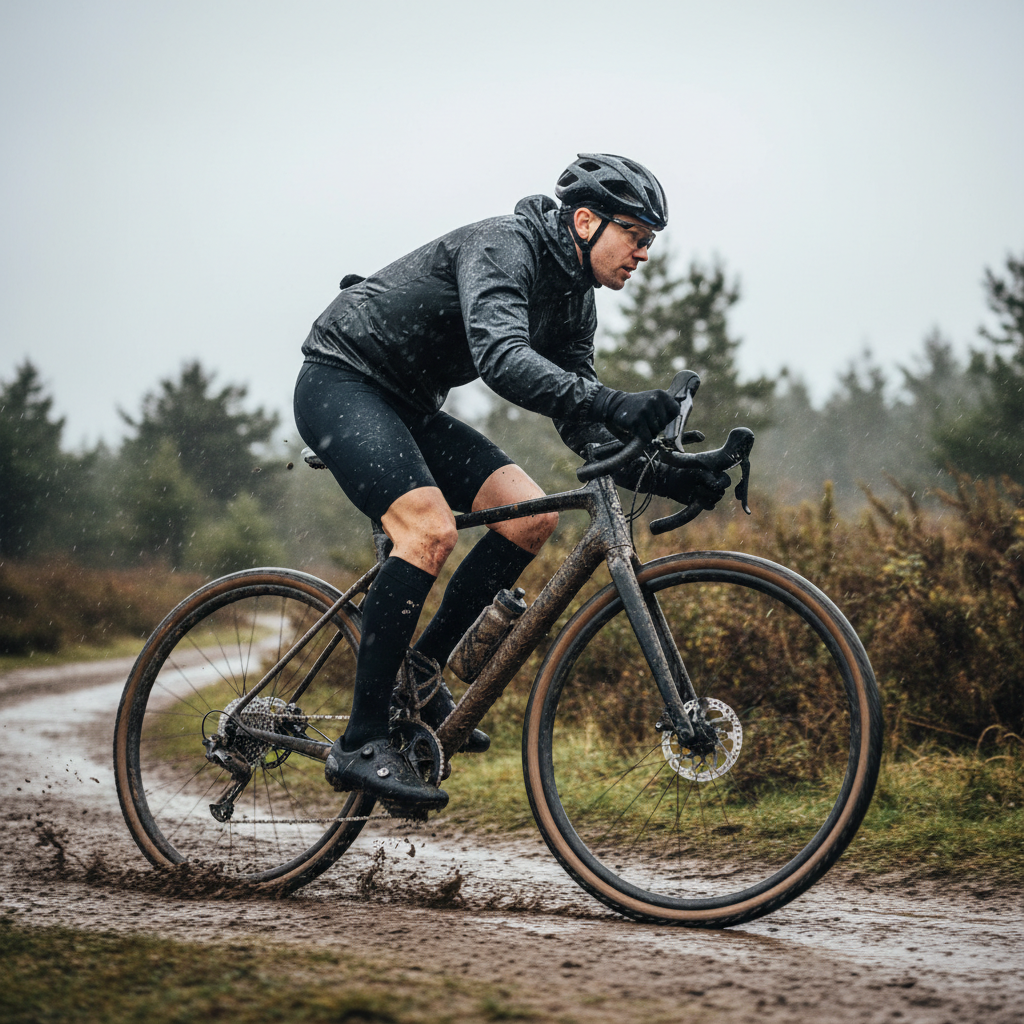
This guide focuses on what to look for, what tends to fail, and how to choose by riding style, so you can land on a pair that actually works on your routes. You’ll also get a quick comparison table, a fit checklist, and practical care tips.
What “mud protection” really means for cycling gaiters
In cycling, gaiters are usually ankle-to-calf covers that bridge the gap between shoe and leg, reducing the amount of mud, water, and road spray that enters from the top of the shoe or clings to laces and BOA dials. They’re different from full shoe covers, and they’re not a substitute for fenders in sustained wet conditions.
For most riders, “mud protection” breaks into three jobs:
- Seal the shoe collar area where splash likes to enter.
- Shed gritty slurry so it doesn’t cake onto uppers and closures.
- Survive abrasion from crank arms, brush, and repeated flex.
According to the National Weather Service (NOAA), wet and cold exposure can increase the risk of hypothermia in some conditions. You don’t need to ride scared, but if your feet go numb easily, improving spray and wind protection is a sensible comfort and safety upgrade.
Key features that separate “good” from “annoying”
Most “bad gaiter experiences” come from the same few design flaws. If you want the best cycling gaiters for mud protection, focus less on brand hype and more on the parts that touch the real world: straps, seams, and closure interfaces.
Fabric: water resistance vs breathability
- Softshell/neoprene-like: warmer, better splash blocking, can feel swampy on high-output rides.
- Woven stretch + DWR: often more breathable, great for shoulder season mud, can wet out in heavy rain.
- Waterproof membranes: useful in prolonged wet, but seam placement and venting decide comfort.
Underfoot retention
- Replaceable strap is a quiet “premium” feature; grit eats straps fast.
- Cable/cord can last longer but may slip on smooth soles.
- Rubberized panels help keep the gaiter from walking upward.
Closures that won’t jam with grit
- Hook-and-loop is easy to adjust, but mud can clog and reduce grip over time.
- Zippers feel tidy, yet many failures happen here if the zipper track gets gritty.
- Pull-on stretch cuffs can be reliable, but sizing must be right.
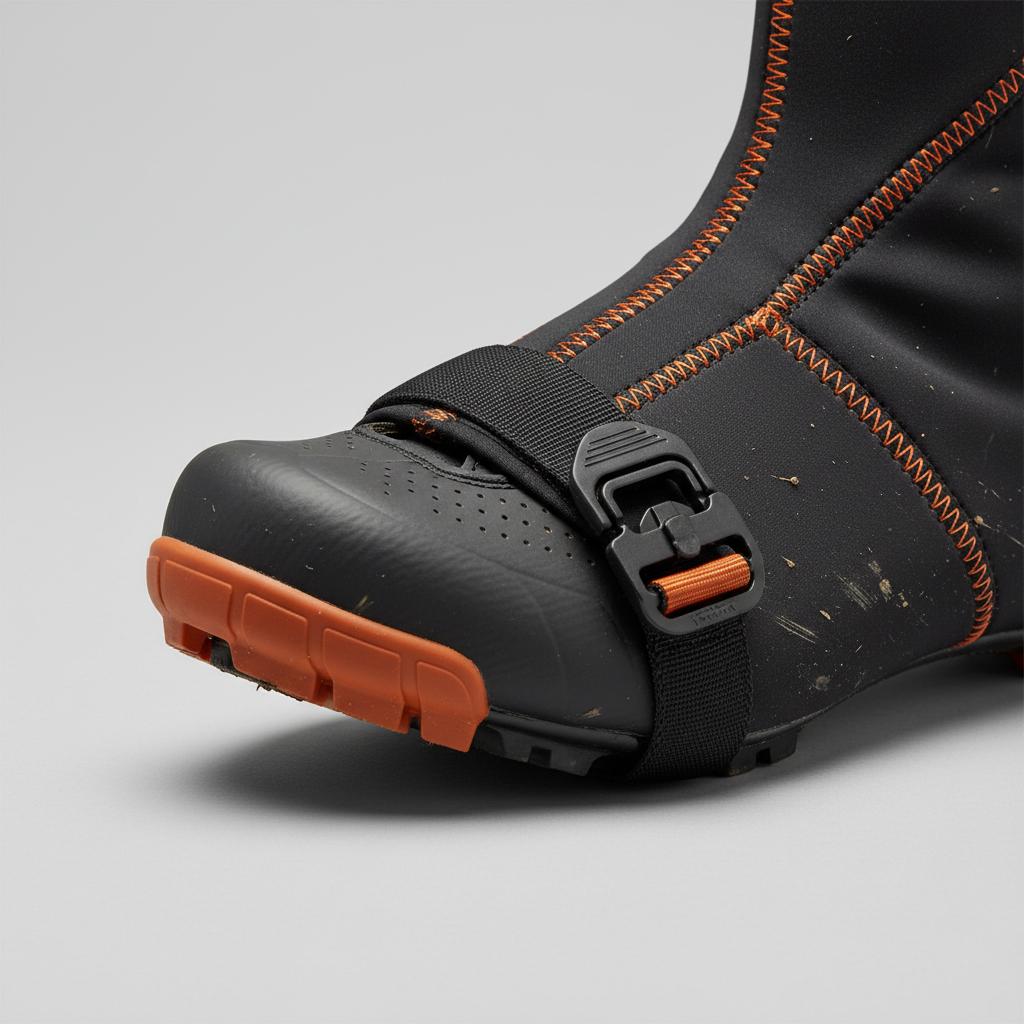
Small but important: reflective hits can help in low visibility, and a slightly taller cuff often blocks more spray on gravel without feeling like a winter boot.
Quick comparison table: choosing by ride type
Different riding creates different “mud problems.” Use this as a starting point, then fine-tune with the fit checklist below.
| Ride style | Typical mud issue | Gaiter priority | Materials that often work well |
|---|---|---|---|
| Gravel / mixed surface | Spray + grit grinding into closures | Seal at collar, abrasion resistance | Stretch woven w/ DWR, reinforced toe/ankle panels |
| Cyclocross / short muddy efforts | Thick mud, frequent dismounts | Secure retention, easy on/off | Durable softshell, strong underfoot strap |
| Road in wet shoulder season | Cold road spray, water tracking in | Wind block, ankle seal | Softshell or light membrane fabrics |
| Bikepacking / long wet days | Hours of saturation, repeated drying | Comfort, serviceability | Breathable laminate, replaceable straps, easy-clean design |
Fit checklist: a fast way to tell if a pair will work
Before you spend money, run through this list. It’s also a good “try-on test” if you can return gear easily.
- Shoe compatibility: does it clear your cleat and not bunch near the pedal interface?
- Closure access: if you use BOA, can you still micro-adjust, or will you ignore fit mid-ride?
- Ankle seal: does the cuff stay put when you flex your ankle hard, or does it creep?
- Heel alignment: does the gaiter twist after a few steps? Twisting usually means poor patterning or wrong size.
- Underfoot strap tension: snug enough to hold, not so tight it pulls the gaiter off-center.
- Calf comfort: no “tourniquet” feeling; a too-tight cuff can be distracting on longer rides.
If you’re between sizes, many riders do better sizing up for mud season, especially if they wear thicker socks. But if you size too large, the seal breaks and you lose the main benefit.
How to pick the best cycling gaiters for mud protection (by scenario)
The “best” option depends on how you ride, how long you’re out, and what kind of mud you see. Here’s a practical way to decide without overthinking it.
If your priority is keeping grit out of closures
- Choose a gaiter with a smooth, tight outer face that sheds slurry.
- Look for minimal seams across flex points, fewer seams often means fewer leak paths.
- Favor designs that cover lace/BOA zones without creating pressure points.
If your priority is warmth in cold mud
- Go for thicker softshell or neoprene-adjacent fabrics, especially if you ride below roughly 45°F and get cold feet.
- Check cuff height; a little extra coverage can reduce that “cold stripe” above your shoe.
- Don’t chase full waterproofing blindly, breathability still matters on climbs.
If you hate fiddly gear and want quick on/off
- Stretch pull-on designs can be simple, but only if sizing matches your shoes closely.
- Wide hook-and-loop panels often beat narrow zippers for muddy transitions.
- Confirm you can put them on with cold hands; if not, you’ll skip them on marginal days.
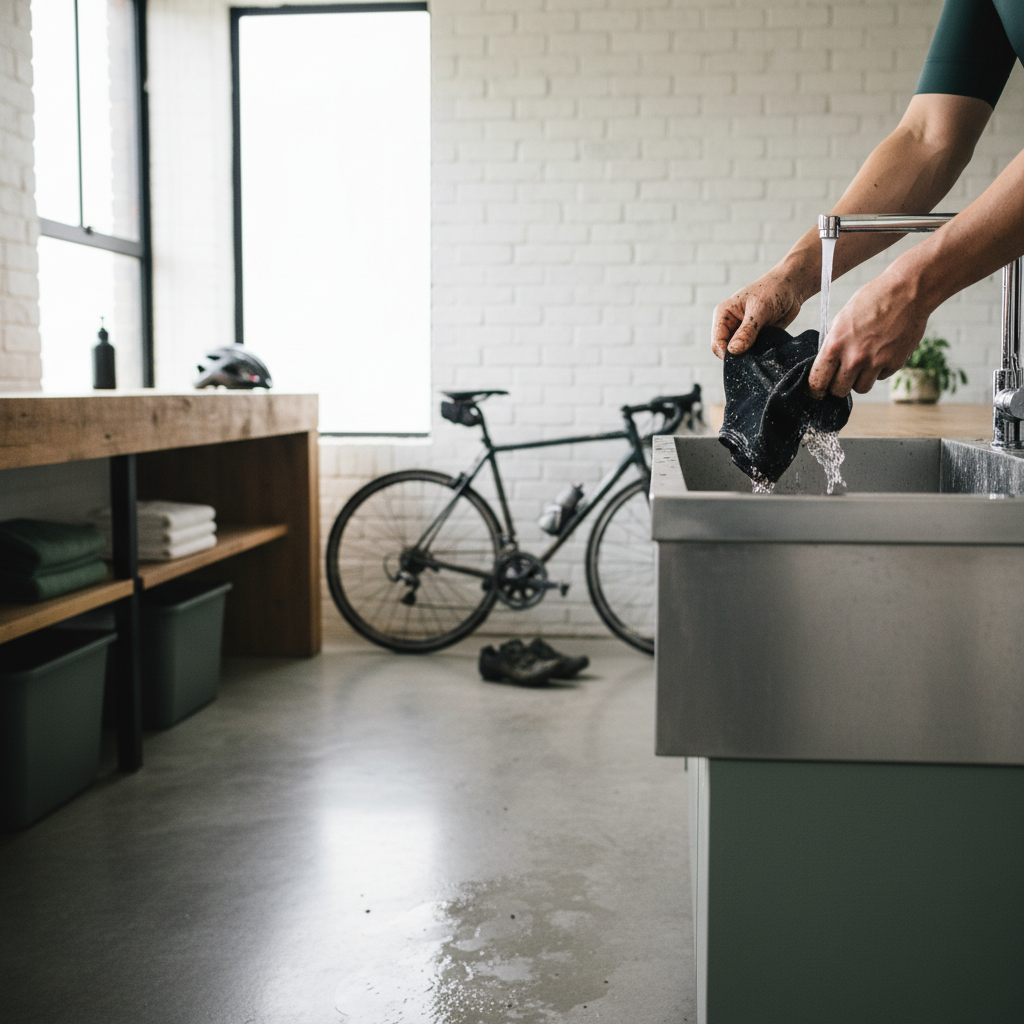
One more real-world point: if your local mud is clay-heavy, it can pack into straps and hook-and-loop faster than sandy mud. In that case, durability and easy cleaning matter as much as “waterproof” marketing.
Practical setup tips that improve performance immediately
Even the best cycling gaiters for mud protection can feel mediocre if setup is off. These tweaks often make a noticeable difference on the first ride.
- Pre-set strap length at home, not at the trailhead, so the gaiter sits centered and doesn’t twist.
- Pair with fenders when possible; gaiters handle what reaches your shoes, fenders reduce what reaches you.
- Use a light DWR refresh when water stops beading, but follow the care label to avoid damaging fabrics.
- Check cleat clearance after install; a rubbing strap can ruin a ride and wear out fast.
- Carry a small wipe for mid-ride grit in closures, especially during freeze-thaw conditions.
According to REI, cleaning outdoor gear promptly and following manufacturer care instructions helps maintain performance finishes like DWR. It’s not glamorous, but it keeps gaiters from turning into stiff, smelly gear you avoid using.
Common mistakes (and what to do instead)
- Buying purely for waterproof claims: many riders end up with clammy feet. Aim for “enough” water resistance plus ventilation for your intensity.
- Ignoring abrasion zones: crank-side scuffs and toe drag kill gaiters early; reinforced panels are worth it if you ride rough gravel.
- Over-tightening the cuff: it can feel secure at home, then become distracting after an hour.
- Skipping maintenance: dried mud in hook-and-loop reduces hold; rinse, air dry, then brush the hook side clean.
- Wearing them for the wrong job: deep water crossings still soak you, and heavy rain may need fenders plus shoe covers.
When it’s worth getting more help (fit, numbness, and comfort)
If your feet go numb quickly even with gaiters, the issue might be more than mud and spray. Shoe fit, sock thickness, circulation, and riding posture can all play a role, and tightening gaiters to “fix it” sometimes backfires.
If you notice persistent numbness, pain, or color change in toes during cold rides, consider talking with a qualified bike fitter or a healthcare professional. Comfort upgrades are great, but it’s smart to treat recurring symptoms as a cue to investigate.
Conclusion: how to make a confident pick
Choosing the best cycling gaiters for mud protection comes down to matching your mud type and ride length with the right fabric, a reliable underfoot retention system, and a fit that stays centered when you pedal and walk. If you only remember two moves, make it these: prioritize a durable strap and a solid ankle seal, then keep them clean enough that closures still work when conditions get ugly.
If you want a simple next step, pick one pair aimed at your most common conditions, test it on a “messy but safe” local loop, and adjust sizing or closure style based on what annoyed you mid-ride. That feedback is worth more than any product description.
FAQ
Do cycling gaiters replace shoe covers in muddy weather?
Usually not. Gaiters excel at blocking debris and spray from entering at the ankle, while shoe covers focus more on warmth and overall water blocking. In sustained rain or near-freezing temps, many riders combine fenders with shoe covers, then use gaiters when they mainly need mud control.
Will gaiters work with gravel shoes and recessed cleats?
Most designs play nicely with recessed cleats, but strap routing and sole shape matter. Check that the underfoot strap sits in a channel or flat area so it doesn’t rub the pedal, and confirm it won’t interfere with walking traction lugs.
What’s better for mud: zipper or hook-and-loop?
Hook-and-loop often tolerates mud better because you can peel it open even when grit is present, but it can lose grip if the hooks clog. Zippers can feel cleaner and more aero, yet they’re more likely to jam if you don’t rinse them.
How tight should the underfoot strap be?
Tight enough that the gaiter doesn’t rotate when you walk a few steps, but not so tight that it pulls the fabric sideways. If your gaiter twists during the ride, the strap is often too loose or the size is slightly off.
How do I wash gaiters after a muddy ride?
Rinse mud off as soon as you can, then follow the care label. Many pairs do fine with gentle soap and air drying. Avoid high heat unless the brand explicitly says it’s safe, heat can reduce elastic life and harm coatings.
Why does mud still get into my shoes even with gaiters?
Common reasons include a loose ankle seal, gaiters riding up over time, or water running down your leg from shorts/tights into the cuff. A slightly taller cuff, better retention, and fenders often reduce that “water track” effect.
Are gaiters worth it for road riding?
If you ride in cold spray, they can be surprisingly useful because they cut the mess around socks and shoe openings. If your road rides are mostly light drizzle and you already run fenders, you may find them optional.
If you’re trying to dial in a cleaner, warmer setup for wet gravel or shoulder-season road miles, it can help to list your most common conditions and gear constraints first, shoe type, typical temps, whether you run fenders, then choose gaiters that match that reality instead of chasing the most “waterproof” spec on the page.