
Best bike gloves for men and women usually come down to three things you feel on the first ride: pressure on your palms, sweat control, and how securely you can hold the bar when roads get rough.
If your hands go numb, your grip feels sketchy in the rain, or seams start rubbing after an hour, it’s rarely “just you.” It’s typically a mismatch between glove type and riding style, plus fit that’s slightly off.
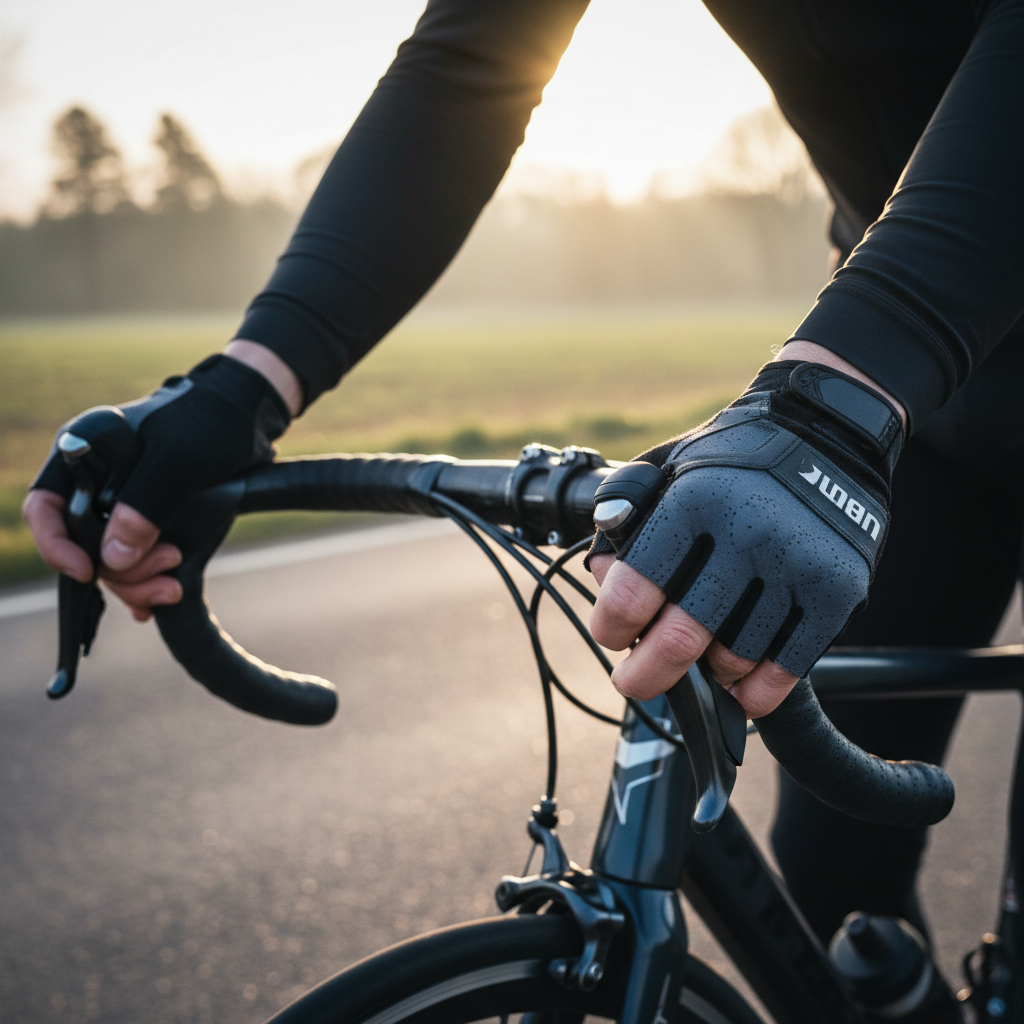
This guide helps you choose confidently without overthinking it, what to buy for road, MTB, commuting, indoor training, and colder months, plus a quick fit checklist and a comparison table you can screenshot.
What actually makes a bike glove “best” in 2026
Materials change, marketing terms change, but the comfort problems stay the same. The “best” glove is the one that matches your pressure points and the conditions you ride in, then disappears while you ride.
- Padding placement matters more than padding thickness. Too much foam in the wrong spot can increase pressure on the ulnar nerve and still cause tingling.
- Grip + control comes from palm fabric and patterning, not just how sticky it feels in your hand at the store.
- Ventilation is about airflow and sweat-wicking liners, especially for indoor riding where sweat drips straight into the palm.
- Seams and closures decide whether you forget the glove or think about it every 10 minutes.
- Touchscreen and wipe panel are “nice to have,” until you ride in summer heat or winter runny-nose weather, then you’ll miss them.
According to the Centers for Disease Control and Prevention (CDC) and many cycling safety programs, stable control of the bike is a core safety factor. Gloves are not a substitute for skill, but better grip and less hand fatigue can support steadier braking and steering.
Quick comparison table: pick your glove type fast
If you just want a sensible starting point, match your riding to a glove category. Then refine with fit and padding style.
| Riding scenario | Recommended glove style | What to prioritize | Common mistake |
|---|---|---|---|
| Road riding (1–4 hrs) | Fingerless, moderate padding | Pressure relief, breathable back | Choosing max padding and losing bar feel |
| MTB / gravel | Full-finger, grippy palm | Control, abrasion resistance | Road-style padding that bunches on flat bars |
| Commuting / errands | Light padding or no padding | Durability, easy on/off | Overbuilding for short rides, sweaty hands |
| Indoor trainer / spin | Fingerless, high breathability | Sweat management, fast drying | Ignoring ventilation, slippery palm when wet |
| Cold weather (30–50°F) | Thermal full-finger | Dexterity, wind blocking | Bulky insulation that ruins shifting/braking |
| Wet weather | Water-resistant full-finger | Grip when damp, cuff seal | “Waterproof” claims without taped seams |
How to choose the right fit (this is where most people miss)
The best bike gloves for men and women can still feel wrong if sizing is off by half a step. Fit issues usually show up as numb fingers, hot spots, or a palm that twists during braking.
A quick fit checklist you can do in 60 seconds
- Make a fist: no tight pulling across knuckles, no pinching at the base of the thumb.
- Grip test: simulate holding bars, palm should not wrinkle into thick folds under your hand.
- Finger length (full-finger): fingertips should not press hard into the ends, a tiny air gap is fine.
- Wrist closure: secure without cutting circulation, you should still be able to rotate your wrist comfortably.
- Seam check: rub-sensitive areas are between thumb and index finger, and along the pinky edge.
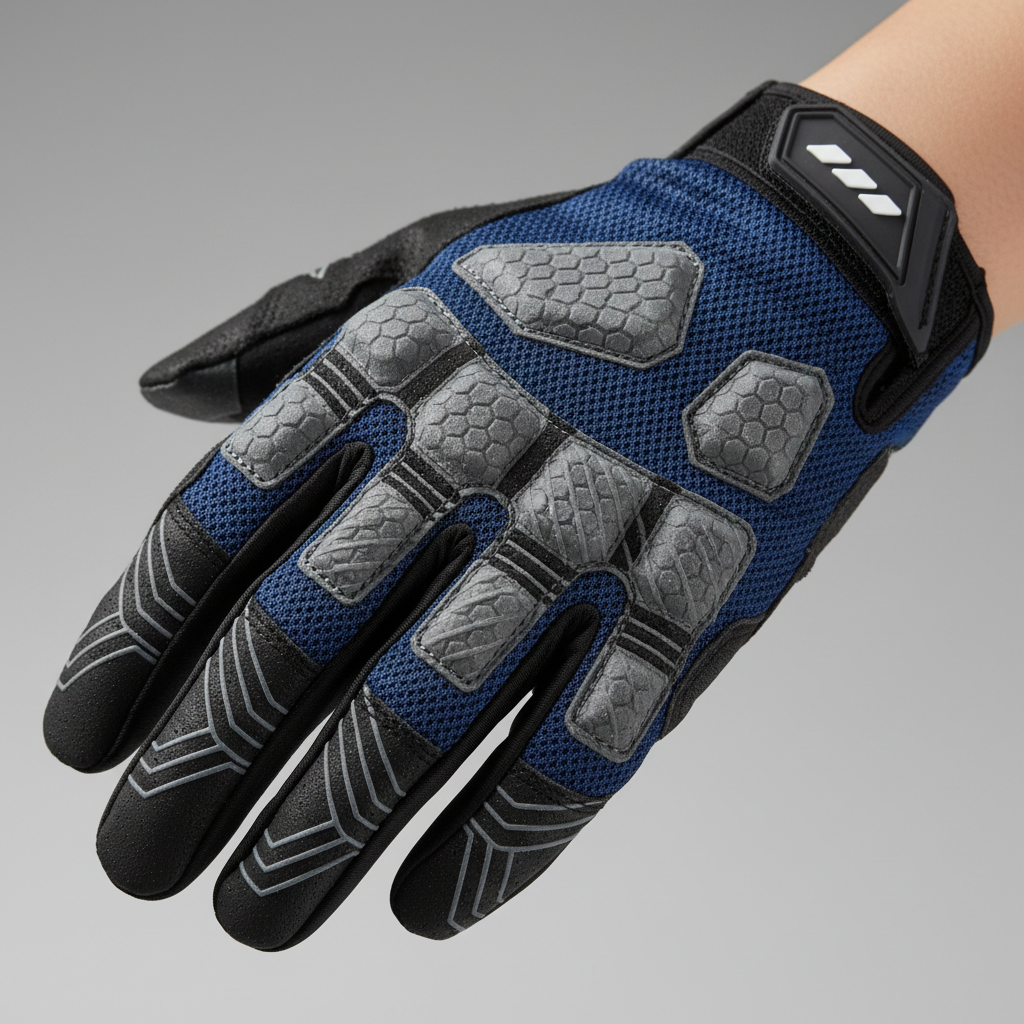
One detail people underestimate: women’s-specific gloves can differ in finger length and palm volume, not just colorways. That said, plenty of riders do better in “unisex” models if the brand’s hand pattern happens to match their shape.
Padding, gel, or no padding: what your hands are telling you
If you’re searching for the best bike gloves for men and women because of numbness, don’t automatically jump to the thickest gel. In many cases, numb hands come from bar setup, core fatigue, or pressure distribution that gloves can only partially fix.
- Light padding works well for riders who want bar feel, or who already run ergonomic grips/bar tape.
- Moderate foam or gel often suits road and fitness riding, especially on rough pavement.
- Targeted padding zones can help if you know where you load pressure, like the heel of the palm.
- No padding makes sense for some MTB riders who rely on grip and control, and prefer solving comfort via grips, tire pressure, and body position.
According to the International Bicycle Fund and many bike safety education materials, maintaining good control and comfort reduces distraction. If tingling persists, it may be worth checking bike fit, bar angle, and saddle position, sometimes the glove is not the main culprit.
Choosing by riding style: road, MTB, commuting, indoor
Shopping gets easier when you stop trying to buy one glove for every ride. If you ride multiple disciplines, having two pairs often beats one “do-everything” compromise.
Road and endurance riding
- Look for fingerless with breathable backs, plus pull tabs for easy removal.
- Prioritize even padding that doesn’t create ridges on the hoods or tops.
- If you sweat a lot, pick a palm material that stays grippy when damp.
Mountain and gravel
- Full-finger is common for protection and control, especially on loose surfaces.
- Seek abrasion resistance on the outer edge and a secure thumb web area.
- Padding should be minimal or well-zoned so it doesn’t bunch under flat-bar pressure.
Commuting and casual rides
- Easy on/off matters more than you think, so simple closures can be a win.
- Durability and washability beat race features.
Indoor trainer sessions
- Choose maximum breathability and quick drying, sweat-soaked gloves can chafe fast.
- A terry wipe panel is small, but feels essential mid-interval.
Weather choices: heat, cold, and rain without buying the wrong “waterproof”
Weather-specific gloves are where marketing gets loud. The practical question is whether you want comfort or protection as your priority, because doing both perfectly is hard.
Hot weather
- Mesh backs and sweat-wicking liners matter more than “summer” labels.
- Lighter colors can feel less harsh in direct sun, though it varies by fabric.
Cold weather
- Look for wind resistance and enough dexterity to brake confidently.
- If your fingers go white or painfully numb, consider talking with a clinician, circulation issues sometimes look like “just cold hands.”
Rain and shoulder seasons
- Many “water-resistant” gloves handle drizzle, but can wet through in steady rain.
- For true waterproofing, features like sealed seams and better cuff design usually matter, but bulk increases.
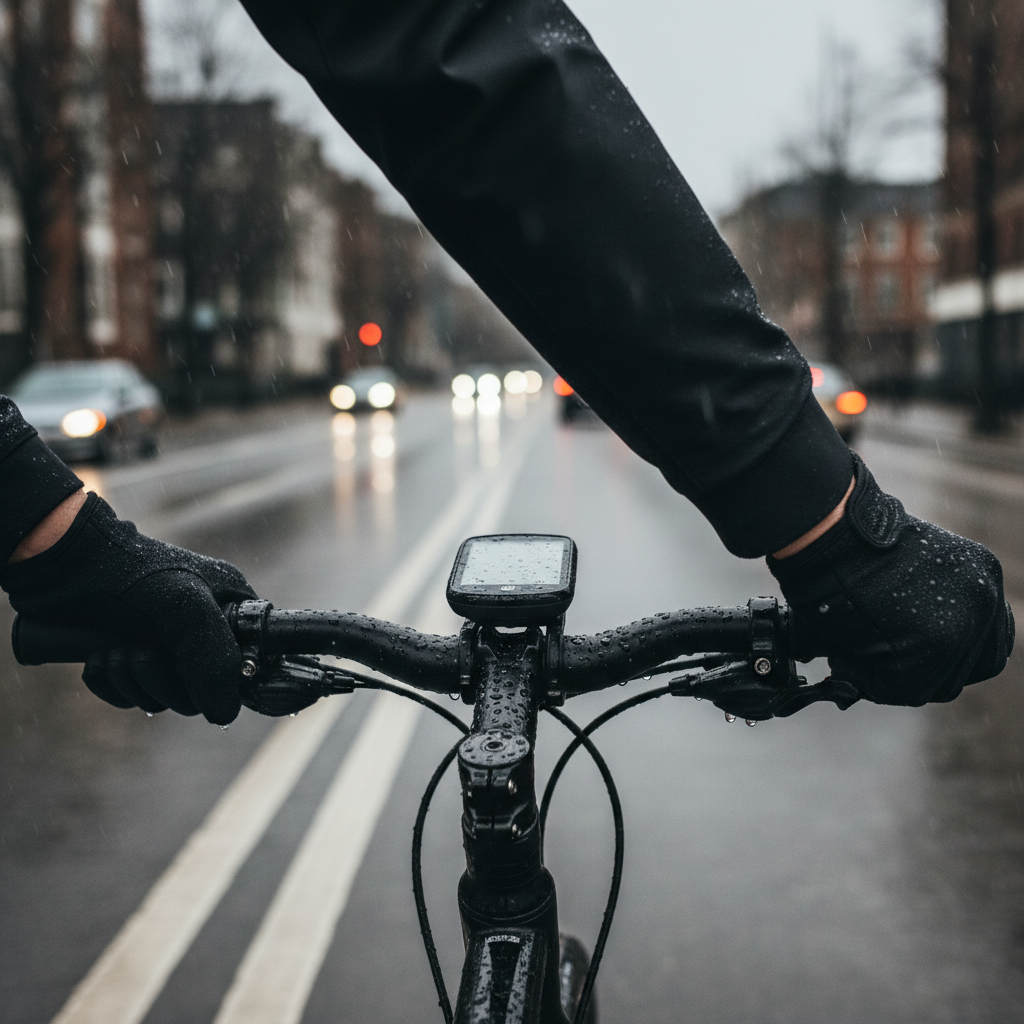
If you ride in real winter conditions, a two-glove approach often works better: a thinner thermal option for most rides, plus a heavier pair for the coldest days. One “super insulated” glove can end up too warm half the season, then still not enough on the worst days.
Practical buying tips (so you don’t end up with a drawer of almost-right gloves)
Before you click buy, anchor on a few decisions. It saves money, and it saves that annoying cycle of returns.
- Decide fingerless vs full-finger based on protection and temps, not aesthetics.
- Match padding to contact points, if your discomfort is at the heel of the palm, look for padding zones there rather than thick gel everywhere.
- Check closure style, Velcro can be convenient but may snag in the wash, pull-on gloves can fit cleaner but are harder when sweaty.
- Plan for washing, most riders wait too long, then gloves get stiff and start rubbing. Follow the brand’s care label.
- Buy from a retailer with easy exchanges, sizing varies a lot across brands.
Key takeaways
- Fit beats features, a slightly wrong size causes more problems than “average” padding.
- Moderate, well-placed padding tends to satisfy most road and fitness riders.
- Two pairs often outperform one premium pair if you ride across seasons.
Conclusion: a simple way to pick your next pair
The best bike gloves for men and women are the pair that matches your riding position and climate, with padding that supports your pressure points without turning the bars into a sponge. If you do one thing after reading this, do the fist-and-grip fit test and be picky about seam comfort, that’s where “looks great online” usually falls apart.
If hand numbness, tingling, or pain keeps showing up even after changing gloves, consider a basic bike fit check and, if symptoms persist, it may be smart to consult a qualified professional for personalized guidance.