
The phrase best bike horn electric loud usually comes up after the same frustrating moment, you ring a tiny bell, a car still drifts into your lane, and you realize “polite” isn’t always heard.
A loud electric horn can help you get noticed faster, but it also adds tradeoffs, size, battery charging, mounting stability, and in some places, rules about what counts as an “audible warning device.” The goal is not to be obnoxious, it’s to be clear and predictable.

This guide focuses on what tends to matter in real riding, where loudness helps, where it doesn’t, how to choose a horn that fits your bike and your routes, and how to set it up so it works when you need it.
What “electric loud” actually means (and what to look for)
Most electric bike horns advertise sound level in decibels, but real-world perceived loudness depends on distance, angle, wind, traffic noise, and where the speaker points. A horn that seems intense in a garage can feel surprisingly average on a fast arterial road.
- Sound level claims: Treat listed dB numbers as rough guidance, marketing varies by brand and test method.
- Frequency and tone: A tone that cuts through cars and trucks often works better than a “lower” tone that gets swallowed by engine noise.
- Directionality: Forward-facing speakers usually project better than ones firing down or sideways.
- Consistency: Some horns drop volume as the battery drains, others stay more stable until they die.
According to OSHA (Occupational Safety and Health Administration), higher dB exposure can contribute to hearing damage with enough duration. On a bike horn, blasts are short, but it’s still smart to avoid testing it right next to your ear or in a small room.
Common reasons your current horn feels “not loud enough”
Before you shop, it helps to diagnose why your current setup fails. Many riders blame volume when the real issue is placement or timing.
- Mounting position is blocked: A speaker hidden behind a basket, bar bag, or cables can lose a lot of punch.
- Pointing at the ground: If the horn faces down, the sound reflects unpredictably and often weakens in traffic.
- Wrong tool for the job: A bell works well for shared paths, but it’s not built to pierce closed windows.
- Late signaling: A horn is most effective early, once a driver is already moving into you, any sound becomes “too late.”
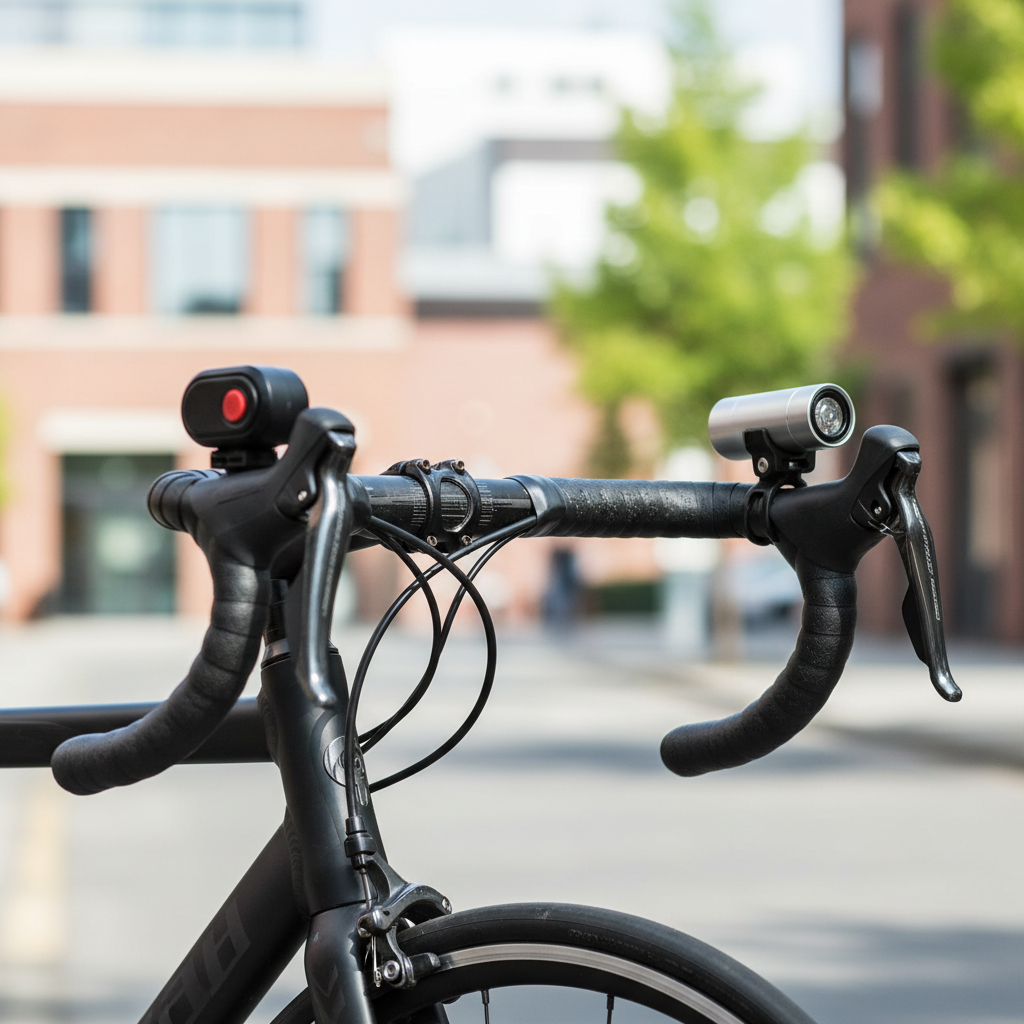
If you still want the best bike horn electric loud option after adjusting placement, you’ll get more value by choosing for your riding environment, not just the highest number on the box.
Quick self-check: which rider profile are you?
Different routes call for different “loud.” Use this to narrow down what type of horn makes sense.
- Urban commuter (cars close, frequent merges): Prioritize fast activation, forward projection, stable mount, and weather resistance.
- Multi-use path rider (pedestrians, runners): Consider a two-signal setup, bell for courtesy, horn for true hazards.
- Road rider (higher speeds, wind noise): Look for a horn that stays audible at speed and a button you can hit while in the drops.
- E-bike rider (heavier bike, faster acceleration): Prioritize a solid clamp and a battery system you can actually maintain.
If you ride mostly on quiet neighborhoods, a super loud horn may create more conflict than safety. But if you regularly deal with fast traffic, a louder electric warning device can be a practical upgrade.
Buying criteria that matter more than hype
Here’s where riders tend to get picky, for good reason. These details decide whether a horn becomes a trusted tool or a gadget you stop using.
1) Mounting stability and fit
Measure your handlebar diameter and confirm clamp compatibility, especially with aero bars, riser bars, or thick grips. A horn that rotates when you hit potholes becomes hard to aim and annoying to use.
2) Button ergonomics
Remote buttons are common, but some are mushy, others have a crisp click. In traffic, “I can find it without looking” matters more than most specs. If you ride with gloves, check button size and travel.
3) Battery and charging
- USB-rechargeable: Convenient, but you need a charging habit.
- Replaceable batteries: Easy to swap, but ongoing cost and performance swings by brand.
- Cold-weather behavior: Many batteries deliver less power in the cold, volume may drop.
4) Weather resistance
Look for basic water resistance if you ride in rain. If the listing mentions an IP rating, that’s a helpful sign, but real durability also depends on charging-port cover quality and housing seams.
Comparison table: choose the right loud electric horn type
This table isn’t about specific brands, it’s about choosing a category that matches how you ride and what you can tolerate on your bars.
| Horn type | Best for | Pros | Tradeoffs |
|---|---|---|---|
| Compact rechargeable horn | Daily commuting | Easy charging, clean install, loud enough in many city situations | Battery management, some models have weaker mounts |
| High-output speaker horn | High-traffic roads | Strong projection, better “cut-through” | Bigger, more conspicuous, can annoy on shared paths |
| Dual-mode horn + bell | Mixed path + street | Courtesy signal plus emergency blast | More controls, more setup complexity |
| Replaceable-battery horn | Long rides, touring | No need to find a charger, quick swaps | Volume varies with battery quality, recurring cost |
Setup steps that make a loud horn work better
You can buy the best bike horn electric loud model and still get mediocre results if it’s installed poorly. The good news, setup is usually fixable in 20 minutes.
- Point it forward: Aim the speaker toward where you want attention, usually forward and slightly down from eye level.
- Keep it unobstructed: Avoid placing it behind bags, lights, or a thick bundle of cables.
- Put the button where your thumb naturally rests: You should be able to activate it without shifting your grip.
- Test outside: Do a quick test on an open street (not indoors). Indoors reflections can fool you.
- Practice “tap” vs “blast”: Short taps can be enough for awareness, longer blasts are for immediate risk.

One more practical tip, if you also run a bright front light, don’t crowd everything near the stem. Spread devices so the horn and light both aim correctly and don’t fight for space.
Safety, legality, and “don’t be that rider” mistakes
A loud horn is a safety tool, but it can escalate situations if used as punishment. Timing and intent matter, and so does the local rulebook.
- Check local requirements: Many places require an audible signal, but specifics vary by state or city. If you’re unsure, it’s worth checking your local DOT or municipal code site.
- Avoid close-range blasts: Honking inches from a pedestrian’s ear can cause harm and conflict.
- Don’t rely on sound alone: Lane positioning, speed control, and visibility still do most of the work.
According to the NHTSA (National Highway Traffic Safety Administration), visibility and predictable behavior are core elements of road safety. A horn supports that, it doesn’t replace it.
My practical conclusion for 2026 buyers
If you want the best bike horn electric loud experience in 2026, pick a horn you will actually use, with a stable mount, a button you can hit instantly, and a tone that cuts through your typical traffic. In many U.S. cities, a compact rechargeable horn paired with a simple bell ends up being the most flexible setup.
Key takeaways:
- Fit and ergonomics beat raw specs, you need quick access and a horn that stays aimed.
- Placement changes performance more than most people expect.
- Use it early and briefly for awareness, save long blasts for immediate risk.
If you’re deciding today, your next action can be simple, check your handlebar space, choose the horn category from the table that matches your routes, then install it with an unobstructed forward aim and a thumb-friendly button position.
FAQ
What decibel level is “loud enough” for city traffic?
It depends on traffic speed, distance, and closed windows, but many riders prefer horns marketed in the higher range to improve the chance of being noticed. Treat dB numbers as approximate and prioritize tone and projection.
Are electric bike horns legal in the U.S.?
Rules vary by state and city. Many jurisdictions require an audible warning device, but some may restrict siren-like tones. If you ride daily in one area, checking local code can save you headaches.
Is a loud electric horn better than a bell?
They solve different problems. Bells tend to work well on shared paths where people expect a friendly cue, while an electric horn is more for quick driver awareness in noisy streets. A two-signal setup often works best.
Where should I mount an electric horn on my handlebars?
Usually near the stem or near your dominant thumb, as long as the speaker faces forward and isn’t blocked by lights or bags. The “best” spot is the one you can reach without looking.
Do rechargeable horns lose volume as the battery drains?
Some do, some stay fairly consistent until they shut off. If consistent output matters for your commute, look for user reports mentioning stable volume and consider charging more frequently.
Can a loud bike horn damage hearing?
Potentially, especially at very close range or with repeated testing in enclosed spaces. Keep tests brief, do them outdoors, and avoid aiming it near anyone’s ears.
What if drivers still don’t react to my horn?
That can happen, drivers may not hear it through insulation, music, or distraction. Use the horn early, combine it with strong positioning and visibility, and consider whether your routes need different timing or safer alternatives.
If you’re trying to pick a horn without wasting money on gimmicks, focus on the basics that usually decide satisfaction, solid mounting, a reachable button, weather resistance, and a tone that fits your riding mix, then you’ll land much closer to the setup that feels “right” day after day.