
Best cycling sunglasses for men is a search that usually comes from a very real problem: your “regular” sunglasses look fine, but on the bike they fog, bounce, pinch your helmet straps, or leave your eyes dry after an hour into the wind.
The good news is you don’t need the most expensive pair to fix this, you need the right lens category, face fit, and frame ventilation for your type of riding. Once you match those three, comfort and visibility jump fast.
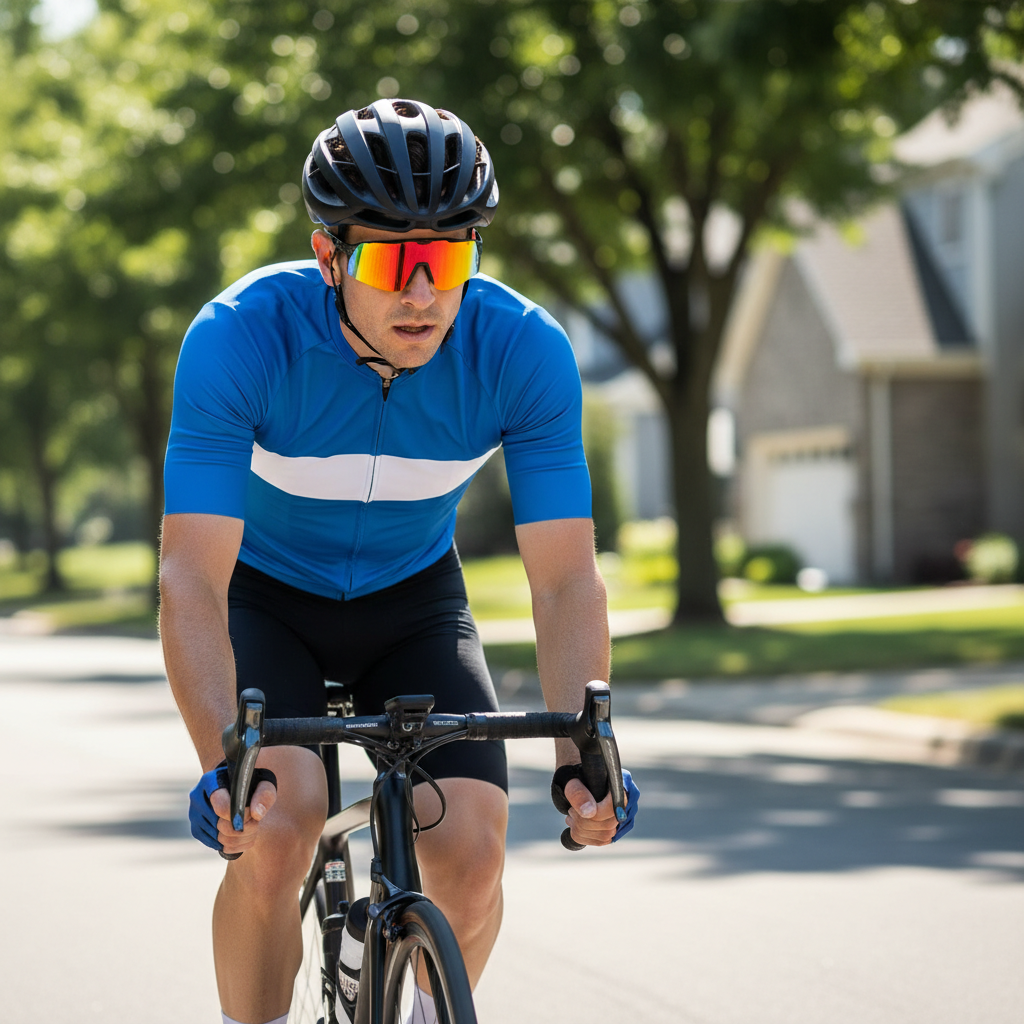
This guide narrows down what actually matters in 2026: lens tech that helps you read the road, frames that don’t fight your helmet, and details like anti-fog and interchangeable lenses that pay off on real rides. I’ll also call out common buying traps, because the wrong “popular” pair can still be wrong for your face.
What makes cycling sunglasses “best” for men (in real riding)
The “best” pair usually means you stop thinking about them mid-ride. That comes from a few non-glamorous specs that brands don’t always explain well.
- Coverage and wrap: More wrap blocks wind and debris, but too much wrap can feel distorted if the lens quality is mediocre.
- Optical clarity: Look for language like “optically correct” or “distortion-free.” Cheap lenses can warp the edges, which gets annoying at speed.
- Ventilation + anti-fog: Fog is often a frame design problem, not just a coating problem.
- Helmet compatibility: Temple arms that sit flat and don’t press under helmet straps matter more than style.
- Grip: Rubber nose pads and temples keep the frame stable when you sweat.
- Lens swap or photochromic: If you ride early/late or in tree cover, adaptability is a comfort and safety upgrade.
According to the American Academy of Ophthalmology (AAO), sunglasses should block 99% to 100% of UVA and UVB. On a bike, that UV protection is table stakes, what differentiates cycling eyewear is how well it manages wind, glare, and changing light.
Quick comparison table: pick the right lens setup
If you’re trying to choose without overthinking, start here. This is often the fastest way to land on the right “category” of product.
| Riding scenario | Best lens type | Why it works | Watch-outs |
|---|---|---|---|
| Bright midday road rides | Polarized or high-contrast mirrored | Cuts glare, reduces squinting | Polarized can make some bike computers look odd at certain angles |
| Mixed light, long rides | Photochromic | Auto-adjusts tint without swapping | Some transition slower in cold conditions |
| Group rides, variable weather | Interchangeable lens system | Swap clear/low-light/sun lens as needed | You must actually carry the spare lens safely |
| Gravel and dusty trails | Full-shield wrap with good vents | Stops grit, improves comfort | Low-quality shields fog more easily |
| Commuting in city shade | Rose/amber contrast lens | Boosts contrast in flat light | May be too bright for harsh noon sun |
How to choose fit: face shape, helmet straps, and “no-bounce” stability
Fit is where “best cycling sunglasses for men” gets personal, because a great lens on the wrong face still feels wrong. Here’s what tends to matter most.
Coverage without cheek rub
If the bottom edge touches your cheeks when you smile or breathe hard, that rub often shows up on climbs. Slightly higher nose bridge, adjustable pads, or a taller lens can fix it depending on your face.
Temple arm design that plays nicely with helmets
Look for thinner, flatter temple arms. Thick arms can create pressure points under helmet retention systems, and you’ll feel it after 45 minutes.
Nose pad adjustability (underrated)
Adjustable nose pads help with two problems at once: keeping the lens off your cheeks and opening a bit more airflow to reduce fog. Many “universal fit” frames skip this, and you end up constantly pushing the glasses back up.
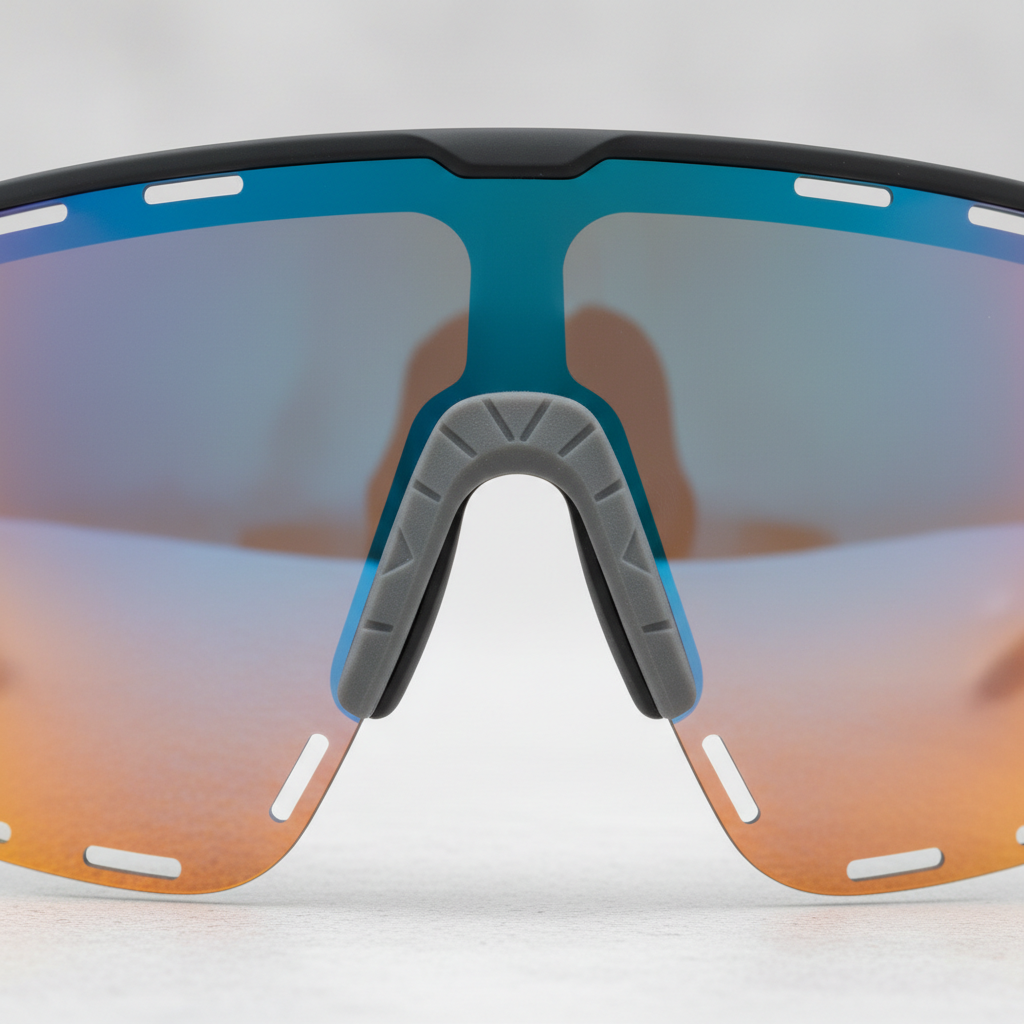
Lenses in 2026: photochromic vs polarized vs interchangeable
Most buying regret comes from picking the wrong lens strategy for your routine, not from picking the “wrong brand.”
Photochromic: convenience for riders who hate swapping
Photochromic lenses darken in sun and lighten in shade. They’re a strong choice if your rides start early, finish late, or bounce between open roads and tree cover. In many cases they’re also good for people who forget to pack a second lens.
Polarized: great glare reduction, with a few trade-offs
Polarization can calm harsh reflections off cars and water, which feels amazing on bright roads. The downside is some screens and coated visors can look rainbow-ish or dim at certain viewing angles. If you rely on a head unit, test it before committing.
Interchangeable lenses: best adaptability if you’re disciplined
Swappable systems shine for gravel, travel, and unpredictable weather. If you’re the type to toss gear into a bag without a case, you may scratch lenses and hate the system, so be honest with yourself.
Self-check list: which category are you actually in?
If you’re not sure what to buy, answer these quickly. Your pattern usually points to one setup.
- I fog up on climbs → prioritize vented frames, anti-fog treatment, and a fit that leaves a small airflow gap.
- My glasses slide down when I sweat → grippier nose pads/temples, lighter frame weight, better helmet-strap routing.
- Wind makes my eyes water → more wrap coverage or a taller shield lens.
- I ride from bright sun into shade a lot → photochromic or carry a low-light lens.
- I get headaches or “warped edges” feeling → prioritize optical clarity, avoid bargain lenses with visible distortion.
- I need prescription → look for RX inserts or prescription-capable sport frames, and plan the fit carefully.
Once you know your category, shopping gets simpler, and it’s easier to choose the best cycling sunglasses for men for your rides rather than someone else’s.
Buying tips that save money (and frustration)
This is the stuff people learn after buying two or three pairs.
- Start with lens needs, then pick a frame: it’s tempting to shop by style first, but lens type determines your daily comfort.
- Don’t ignore “medium” sizes: oversized shields look cool, but if they touch cheeks or interfere with helmets, you’ll stop wearing them.
- Check return policy like you mean it: indoor fit tests don’t reveal sweat slip and fog behavior.
- Consider spare lenses as ongoing cost: replacement lenses can be pricey, factor that in up front.
- Look for hard case inclusion: it’s boring, but it prevents scratches that ruin clarity.
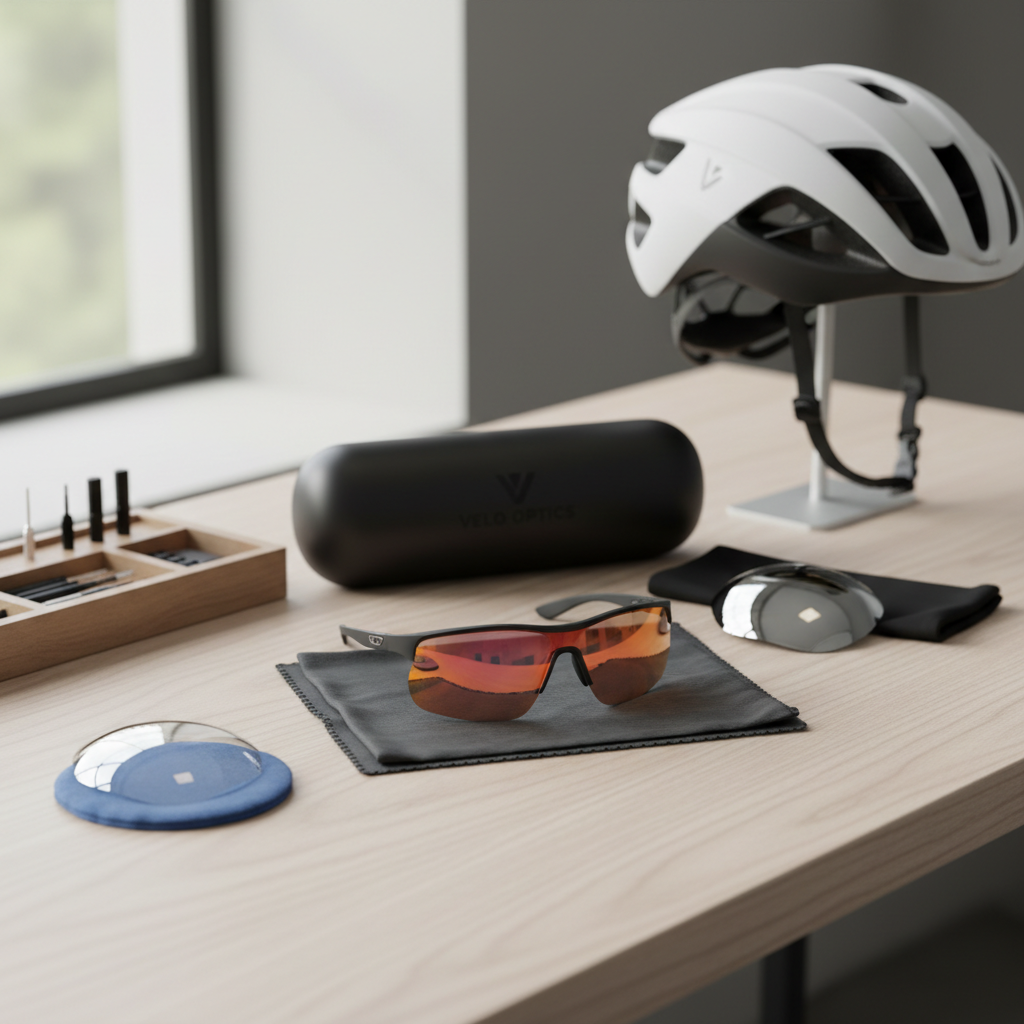
One more thing: if you ride in a group, eye protection is also a safety layer against kicked-up debris. According to the Centers for Disease Control and Prevention (CDC), protective eyewear helps reduce risk of eye injury in situations where flying particles are possible. Cycling isn’t a workshop, but gravel and road grit behave the same way.
Practical setup: how to dial in comfort in 10 minutes
Even the best cycling sunglasses for men can feel off until you tune the fit. Try this at home before your next ride.
- Helmet first: put your helmet on and tighten it to your normal riding fit, then fit the glasses under the straps.
- Adjust nose pads: aim for stable contact without pinching, and keep the lens from touching cheeks.
- Shake test: look down and gently shake your head, if the frame slides, you need more grip or a different bridge fit.
- Fog simulation: breathe hard for 30 seconds, if it fogs immediately, you likely need better ventilation or a different nose-pad position.
- Screen check: if you use a head unit, glance at it in normal riding posture, confirm readability.
If you use anti-fog sprays, apply lightly and follow the product directions, heavy application can smear and reduce clarity, which is the opposite of what you want at speed.
Mistakes to avoid (common reasons people return sunglasses)
- Buying too dark for your routes: if you ride in shade, tunnels, or dusk, a very dark lens can reduce visibility.
- Assuming “polarized = always better”: polarization is great for glare, but it’s not universal for every rider and device setup.
- Ignoring ventilation: anti-fog coatings help, but frame airflow often decides whether fog becomes a constant annoyance.
- Overlooking sweat management: slick nose pads plus sunscreen plus heat often equals constant slipping.
- Skipping UV verification: “tinted” is not the same as UV-protective, check the label claims.
If you have recurring eye irritation, headaches, or vision concerns while riding, it’s smart to consult an eye care professional. Comfort issues can be gear-related, but sometimes there’s an underlying dryness or prescription change that sunglasses can’t fix alone.
Conclusion: a simple way to choose in 2026
If you want one clean approach, pick lens strategy based on your light conditions, then choose a frame that fits your helmet and doesn’t touch your cheeks, and only after that worry about style. That sequence avoids most regret.
Action steps: decide whether you’re photochromic, polarized, or interchangeable first, then do the helmet-on fit test and keep your return window for one real ride. Your eyes will tell you fast whether you found the best cycling sunglasses for men for your routine.