
The best bike tube for 26 inch wheel depends less on brand hype and more on getting three specs right: tube size range, valve type, and how you ride.
If you’ve ever bought a “26-inch tube” that still didn’t fit, or you’ve dealt with repeat flats a week after replacing a tube, you already know the pain: most tube problems come from mismatched sizing, poor installation, or the wrong valve for your rim.
This guide narrows it down in a practical way, what to check on your tire sidewall, which tube types make sense for commuting vs trail riding, and a short list of reliable picks for 2026. I’ll also call out the mistakes that waste money, like buying ultra-light tubes for city potholes.
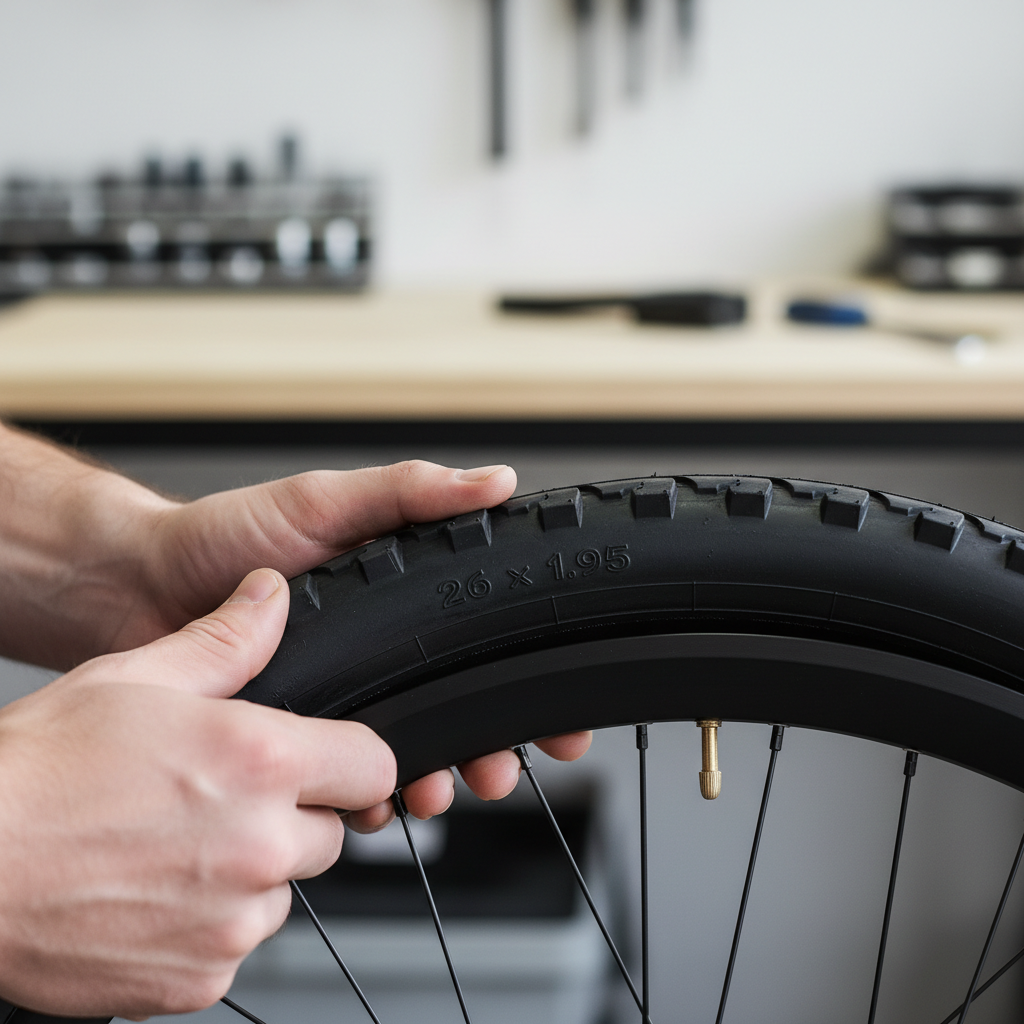
What “26-inch” really means (and why tubes still don’t fit)
“26-inch” is the wheel diameter family, but the tube must also match tire width. A tube labeled 26 x 1.5–1.75 may stretch into a 1.9 in a pinch, yet it often feels tighter during install and can raise pinch-flat risk if you’re not careful.
Look at the tire sidewall first. Common MTB sizes include 26 x 1.75, 26 x 1.95, 26 x 2.1, and sometimes wider. Many comfort/commuter tires show 26 x 1.5 or 26 x 1.95.
Also watch out for “26 x 1 3/8” (often older roadsters or some cruisers). That can be a different standard than typical MTB 26-inch. When in doubt, use the ETRTO number on the tire (like 54-559). Matching 559 is a strong sign you’re in the common 26-inch MTB/city category.
- Diameter: 26-inch family (often ETRTO 559)
- Width range: must cover your tire width
- Valve: Schrader vs Presta (and valve length)
Quick comparison table: common 26-inch tube choices
Shopping gets easier when you decide what you’re optimizing for: fewer flats, lower cost, easier roadside repair, or lower weight.
| Tube type | Best for | Pros | Trade-offs |
|---|---|---|---|
| Standard butyl | Most riders, everyday use | Affordable, durable, holds air reasonably well | Heavier than TPU/latex |
| Thick butyl (“thorn resistant”) | Commuting, debris, goatheads | Fewer punctures in many real-world cases | Heavier, can feel slower |
| Sealant-filled (pre-slimed) | Casual riders who hate surprise flats | May self-seal small punctures | Messier, adds rotating weight, not a cure-all |
| TPU (thermoplastic) | Weight-focused riders, spares kit | Very light, packs small | More sensitive to heat/installation, pricier |
| Latex | Performance feel (rare for 26") | Supple ride quality | Loses air faster, niche availability |
How to choose the best bike tube for 26 inch wheel (3 specs that matter)
1) Tire width range: match it, don’t “close enough” it
A tube’s width range should comfortably cover your tire. If your tire is 26 x 2.1, buying a 26 x 1.5–1.75 tube tends to be a frustration loop: hard install, easier to pinch, and it can sit oddly inside the tire.
- For 26 x 1.5–1.75 tires: look for tubes labeled around 1.5–1.75 or 1.5–2.0.
- For 26 x 1.9–2.125 tires: look for 1.75–2.125 or similar.
- For 26 x 2.2–2.4 tires (some older MTBs): find a tube that explicitly includes that width.
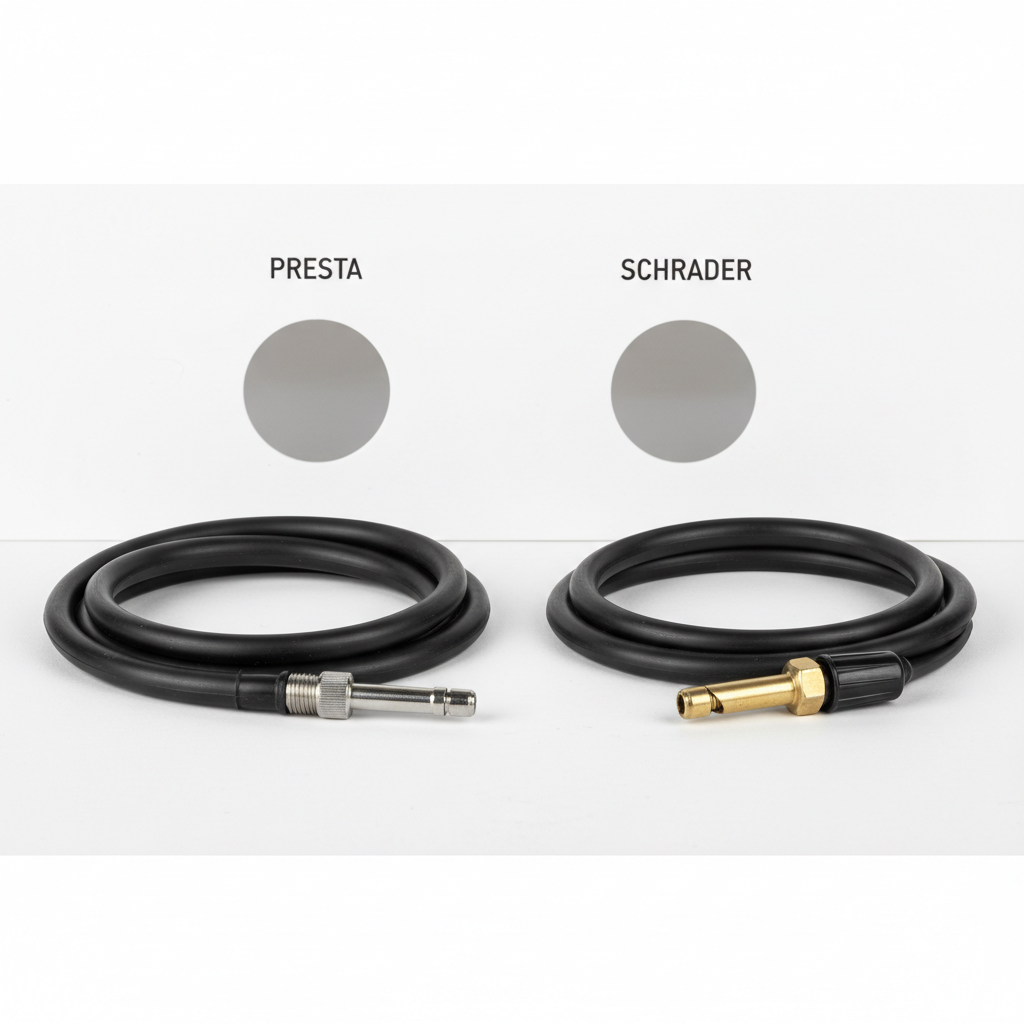
2) Valve type and length: match your rim, then your pump
Most US big-box bikes and many older mountain bikes use Schrader valves (car-style). Many enthusiast wheels use Presta. Choose the one your rim is drilled for; an adapter can help with pumping, but it won’t change the rim hole size safely.
Valve length matters mainly if you run deep rims. For many 26-inch setups, standard lengths usually work, but it’s still worth checking if you have taller rim walls.
3) Tube material and flat protection: pick your battles
If you ride broken city streets, a tougher butyl tube often beats an ultra-light tube, even if the lighter one sounds “better.” Trail riding is similar: rocks and low pressures punish thin rubber. For a spare tube in a saddle bag, TPU can be great because it packs small, but it rewards careful handling.
According to NHTSA, proper tire inflation is a basic safety factor for vehicles; for bikes, the same principle applies in a practical way, under-inflation can increase pinch-flat risk and reduce handling stability, so checking pressure before rides is worth the 30 seconds.
Recommended picks for 2026: reliable 26-inch tubes by scenario
I’m not going to pretend there’s one universal winner. This is a short list of tube styles and what typically works well, then you can match sizing and valve.
- Best everyday value (most riders): standard butyl tube, correct width range, from a reputable shop brand or established manufacturer. Prioritize correct sizing over chasing a “premium” label.
- Best for commuting and debris-heavy routes: thick butyl or sealant-filled tubes. If you regularly pick glass out of tires, pair this with a tougher tire casing too, tubes alone only go so far.
- Best for trail riders who hate pinch flats: standard butyl plus better install habits and pressure checks. Many pinch flats come from technique and pressure choices more than tube brand.
- Best lightweight spare: TPU tube sized for your tire width and valve, carried as an emergency option. Keep it protected in your bag to avoid abrasion.
Key takeaway: the best bike tube for 26 inch wheel is usually the one that fits your exact width range, matches your valve, and aligns with your flat risk, not the lightest or most expensive.
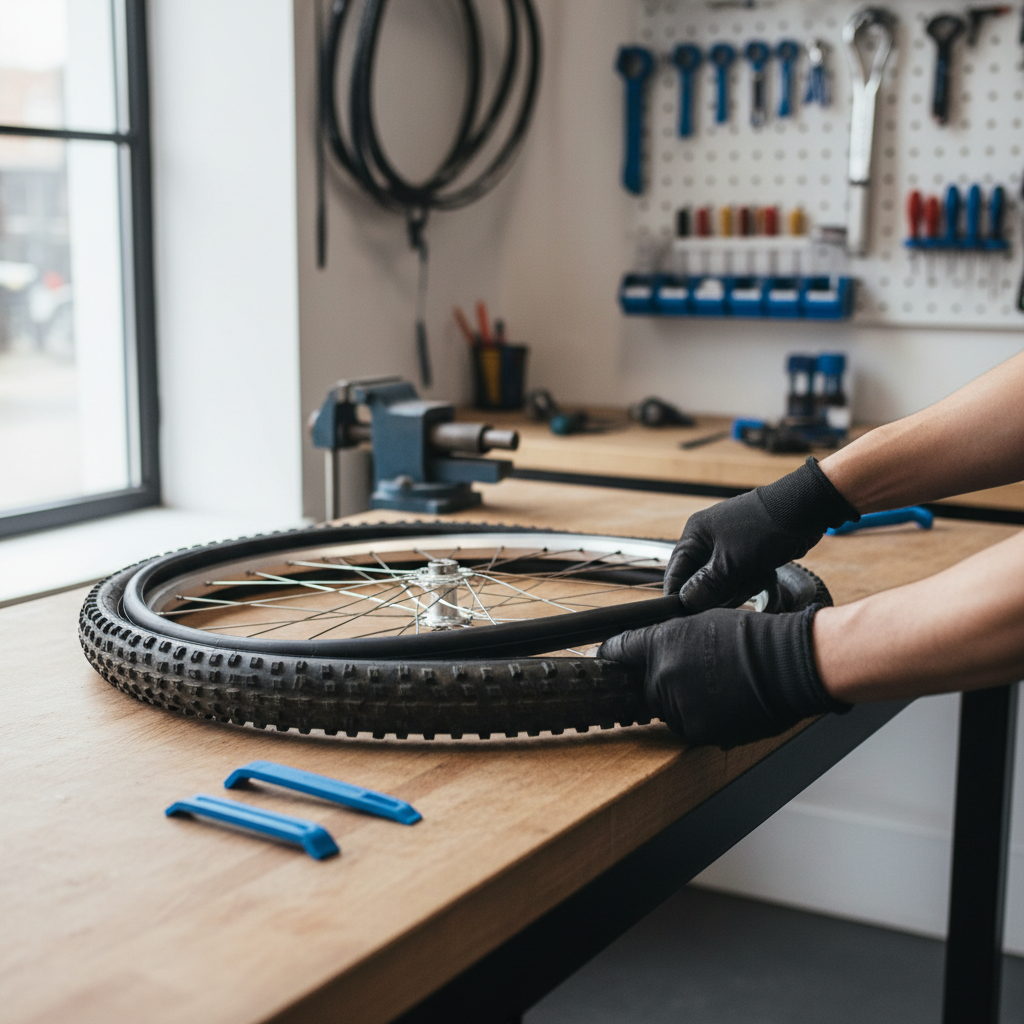
Installation tips that prevent most “mystery flats”
If your new tube flatted quickly, don’t assume it was defective. In many cases it’s a pinch, a rim issue, or debris still inside the tire.
Do this before you install the new tube
- Check the tire inside: slowly run a cloth around the interior to catch thorns or glass (carefully, sharp stuff can cut fingers).
- Inspect rim tape: if it’s shifted or torn, spokes can puncture tubes. Replace tape if it looks suspect.
- Match the puncture location: align tire logo to valve, then you can map where the puncture happened and find the cause faster.
During install (where pinch flats happen)
- Put a tiny bit of air in the tube so it holds shape, then tuck it in evenly.
- Seat the tire bead by hand as much as possible, tire levers are where many tubes get pinched.
- Before fully inflating, go around both sides and look for tube bulging out between bead and rim.
According to Park Tool, a common approach is to inflate gradually and check that the bead seats evenly all the way around; that small pause often saves you from immediately ruining a fresh tube.
A simple self-check: which tube should you buy?
If you want a quick decision without overthinking, use this checklist and you’ll usually land on a sensible option.
- Your tire says 26 x 1.5–1.75 and you ride mostly pavement: standard butyl, Schrader or Presta to match rim.
- Your tire says 26 x 1.9–2.125 and you ride mixed paths: standard butyl in that wider range; consider thicker butyl if flats are frequent.
- You get punctures from thorns or debris: thick butyl or sealant-filled, plus consider upgrading tire tread/casing.
- You mainly get “snakebite” pinch flats: revisit pressure and installation, then consider slightly wider tube range and sturdier tires.
- You need a compact spare: TPU sized correctly, handled carefully.
Common mistakes (and what to do instead)
- Mistake: buying any tube that says “26 inch” and hoping it works. Do instead: match the width range to your tire sidewall number.
- Mistake: swapping tube after tube without finding the cause. Do instead: check the tire interior and rim tape, and map puncture location.
- Mistake: using tire levers aggressively on the final bead. Do instead: push the bead into the rim center channel, then finish by hand when possible.
- Mistake: going super low pressure for comfort on pavement. Do instead: stay within the tire’s recommended range, adjust gradually, and consider a wider tire if comfort is the real goal.
Bottom line: a practical “best” choice for most riders
For most 26-inch bikes still on the road in 2026, the most practical answer is a standard butyl tube that matches your tire width and valve, installed carefully with a quick rim-tape check. If flats keep happening, move up to thicker butyl or add sealant, but also look hard at the tire and rim setup, that’s where repeat issues usually hide.
If you want one action step today, take a photo of your tire sidewall numbers and your valve, then buy a tube that matches those exactly. It’s not glamorous, but it’s how you actually get fewer flats.
Key points to remember
- Size means diameter + width: match both, not just “26.”
- Valve must fit the rim: Schrader and Presta aren’t interchangeable without consequences.
- Most repeat flats are fixable: tire debris, rim tape, pinch-flat technique, and pressure.
FAQ
- What size tube do I need for a 26 x 1.95 tire?
Look for a 26-inch tube whose width range includes 1.95, often labeled 26 x 1.75–2.125. That range tends to install cleanly and avoids over-stretching. - Is a thicker tube always better for preventing flats?
Not always. Thick tubes can reduce some punctures, but they add weight and won’t fix pinch flats caused by low pressure or installation issues. - Can I use a Presta tube in a rim drilled for Schrader?
It’s possible with a valve-hole grommet in some cases, but many riders prefer matching the rim drill size. If you’re unsure, a bike shop can confirm what’s appropriate for your wheel. - Why does my new tube keep getting pinched during install?
Usually the tube gets trapped under the bead where a lever grabs it. Adding a little air first and finishing the last section by hand helps a lot. - Are sealant-filled tubes worth it for commuting?
They can be, especially if you ride through small debris. They’re not magic, larger cuts and sidewall damage still end the ride. - How often should I inflate my 26-inch tires?
Many bikes lose a bit of air over time, so checking weekly is common, and before longer rides is a smart habit. Exact frequency depends on tire, tube, and temperature.
If you’re still torn between two sizes or you keep getting flats after replacing the tube, bringing the wheel to a local shop for a quick inspection can save time, they’ll usually spot rim tape issues, tire damage, or sizing mismatches fast, and you can use that info to buy the right tube with confidence next time.