
Best bike flag for safety visibility shopping usually starts after a close call, you felt “invisible” in traffic, or you’re setting up a kid trailer or recumbent and want drivers to notice you sooner.
A good safety flag is simple gear, but the details matter more than most riders expect, height, materials, how it mounts, and whether it stays upright in wind, all change what drivers see at a distance.
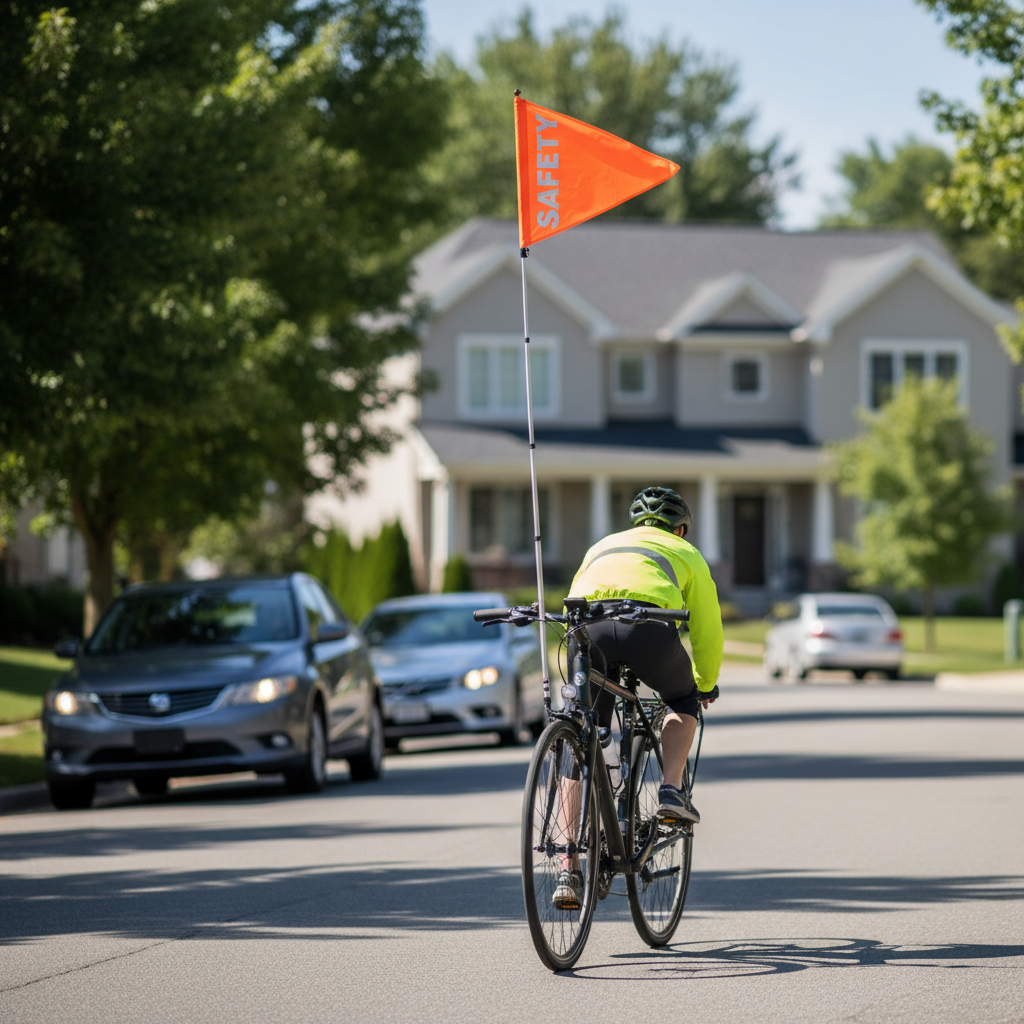
This guide is written for real-world U.S. riding, neighborhood streets, multiuse paths, school drop-offs, and occasional road shoulders. We’ll break down what makes a flag “work,” how to choose by bike type, and a few setup habits that can add more safety than buying the most expensive option.
What a bike safety flag can (and can’t) do
A safety flag is a visibility aid, not a shield. It can help drivers detect you earlier, especially when your bike sits low or your ride blends into background clutter like parked cars and landscaping.
According to the National Highway Traffic Safety Administration (NHTSA), visibility and conspicuity are key factors in crash prevention, especially in complex roadway environments. A flag supports that, but it does not replace lights, reflective elements, predictable riding, or safe route choices.
- Best use cases: kid trailers, tag-alongs, cargo bikes, recumbents, mobility trikes, and short riders in traffic.
- Less impactful cases: fast group road rides (where riders already sit high and cluster), fully protected bike lanes with low vehicle interaction, or very windy coastal rides where cheap poles fold over.
Key factors that make the best bike flag for safety visibility
Most “flags” look similar online. In practice, the best bike flag for safety visibility is the one that stays tall, stays bright, and stays mounted without you thinking about it every ride.
1) Height and line-of-sight
Height is the point. For low-profile setups, aim for a pole tall enough that the flag sits above car trunk lines and shrubs near driveways. Too short is basically decoration.
- Low bikes/trikes: prioritize taller poles, often around 5–6 ft total height, depending on your mounting location.
- Standard bikes: medium height can still help, especially when mounted on a trailer or rear axle area.
2) Color, contrast, and motion
Bright fluorescent colors and high contrast blocks tend to read better at distance than subtle patterns. Motion helps too, a flag that flutters draws attention in peripheral vision.
- Common high-visibility picks: fluorescent orange, neon yellow-green, red with reflective accents.
- Worth having: reflective striping for dusk and overcast conditions, even if you also run lights.
3) Pole stiffness and flexibility balance
Too flimsy and it droops into the wheel line or slaps the ground. Too rigid and it can snap in a fall or when catching branches. Fiberglass poles often hit a practical middle ground, but quality varies a lot by brand.
4) Mount security and compatibility
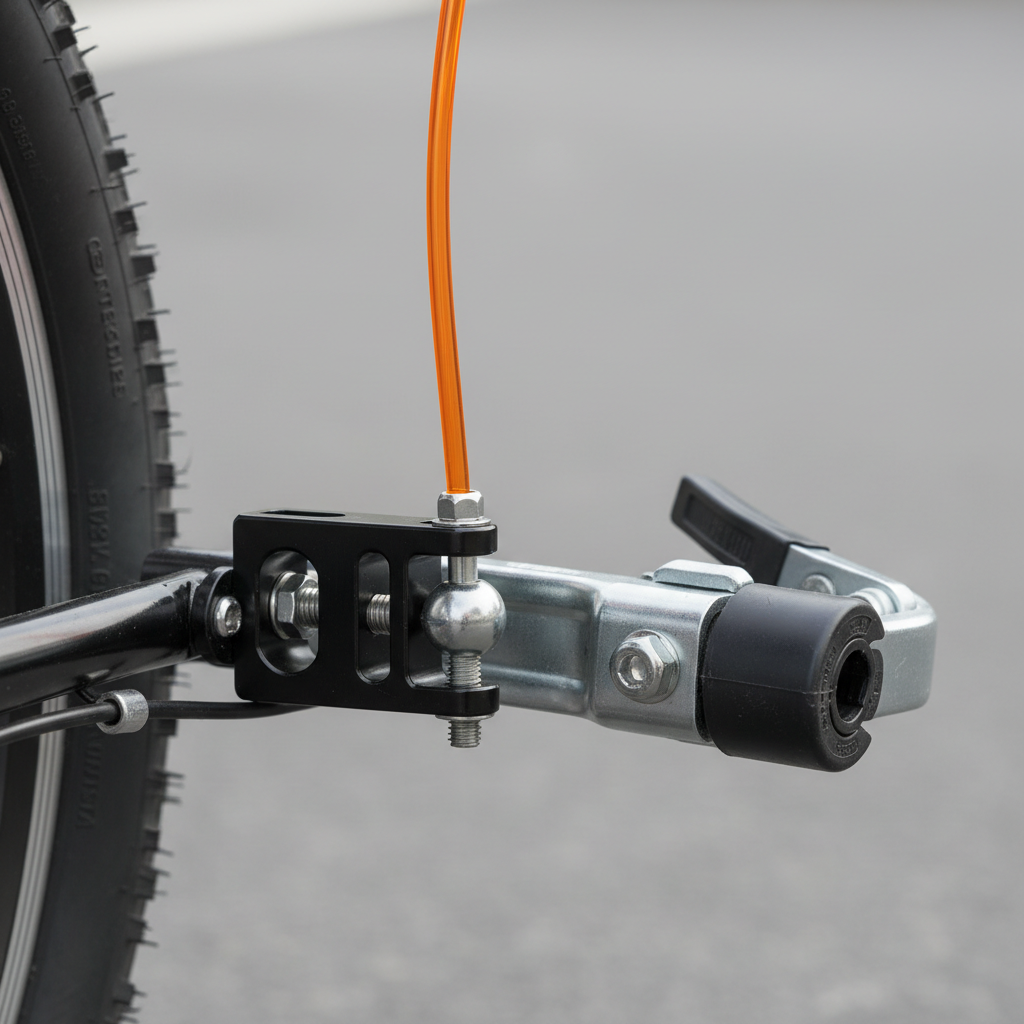
The mount is where many “good” flags fail. Look for hardware that matches your bike’s reality: quick-release skewer, solid axle, rack, trailer frame, or seatpost. If installation feels improvised, it usually becomes annoying fast.
Quick self-check: what kind of rider setup do you have?
If you’re unsure what to buy, start by classifying your setup. The right “best bike flag for safety visibility” choice depends less on marketing and more on where the flag will live.
- Kid trailer / pet trailer: you want maximum height, very secure mount, and a flag that stays upright when the trailer bounces.
- Recumbent / adult trike: prioritize tall poles, fluorescent fabric, and a mount that doesn’t rotate when cornering.
- Cargo bike (longtail/front-loader): you may need a rack/frame mount and a flag that clears bags and panniers.
- Standard commuter bike: choose based on route risk, lots of driveway crossings and parked cars usually justify a flag more than open roads.
- Multiuse paths only: a smaller flag can still help at intersections, but you might get more benefit from a bright rear light plus reflective ankle bands.
Comparison table: what to look for (by scenario)
This table won’t tell you a single “one-size” winner, but it makes specs easier to prioritize when you’re comparing listings.
| Scenario | Recommended pole height | Flag material & features | Mount style | Common mistake |
|---|---|---|---|---|
| Kid trailer | High | Fluorescent + reflective | Trailer frame pocket or clamp | Short flag hidden by parked cars |
| Recumbent / trike | High | Bright, reinforced edges | Axle/seat mount with anti-rotation | Pole flexes into wheel path |
| Commuter bike | Medium | High contrast, optional reflective | Rack/seatpost mount | Mount loosens and tilts backward |
| Cargo bike | Medium to high | Bright, durable stitching | Frame/rack mount with clearance | Flag blocked by bags or box |
Buying checklist: how to pick without overthinking it
When you’re scrolling product pages, it’s easy to get lost in vague “high visibility” claims. This is the checklist that tends to separate decent flags from the ones that end up in a garage bin.
- Measure clearance: confirm the pole won’t hit a wheel, rack bag, or trailer cover.
- Look for reflective elements: not mandatory, but genuinely helpful during low sun and dusk.
- Prefer reinforced seams: flags tear at corners first, especially in wind.
- Check mount type: axle, rack, trailer pocket, seatpost clamp, and make sure you actually have that attachment point.
- Plan for storage: if you must remove it daily, pick quick-detach hardware so you’ll keep using it.
Key point: if your goal is best bike flag for safety visibility, don’t sacrifice height and stability for “compact” unless your route is already low-risk.
Setup tips that improve visibility more than you’d think
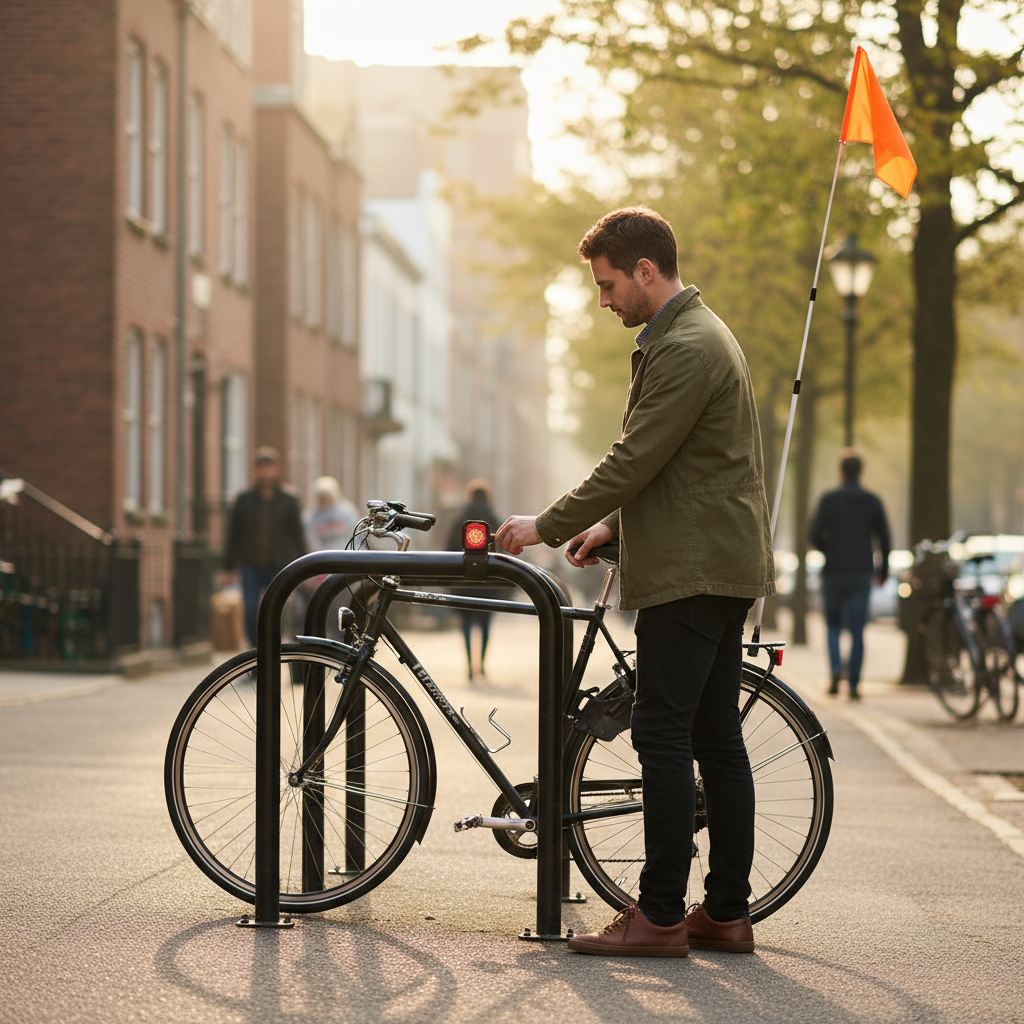
A flag works best when it’s part of a system, placement, light, and reflectivity. Many riders buy the right product and still underuse it by mounting it low or letting it lean.
Mount position: slightly rearward, not near moving parts
Keep the pole away from spokes and drivetrain. On trailers, use the manufacturer pocket when available; on bikes, a rack mount often stays more stable than a seatpost clamp if you carry bags.
Pair it with lights and reflectors
According to the U.S. Consumer Product Safety Commission (CPSC), bicycles sold in the U.S. typically include required reflectors, but real-world visibility can still be limited in certain lighting and traffic conditions. A steady rear light plus reflective accents often complements a flag well. If you ride at night, consider asking a local bike shop what lighting setup fits your routes and local laws.
Keep it upright and clean
Dirty fluorescent fabric gets dull. Also check tilt, a flag leaning back can disappear behind your body or cargo.
- Do a quick bolt check weekly if you ride daily.
- Replace cracked pole sections sooner rather than “one more ride.”
Common mistakes and small fixes
Most issues aren’t dramatic, they’re the slow annoyances that make people stop using the flag. Fix the nuisance and you usually keep the safety gain.
- Flag too short: swap to a longer pole or mount higher on the frame or trailer.
- Mount rotates: add a rubber shim, use anti-rotation hardware, or choose a clamp designed for your tube diameter.
- Flapping noise drives you nuts: try a stiffer flag fabric or a smaller flag with brighter color and reflective striping.
- Flag snags branches: adjust route position on paths, or choose a design with a breakaway tip so it flexes rather than catches.
- “I have a flag so I’m safe” mindset: keep using lights and predictable lane positioning, especially near driveways and intersections.
When it makes sense to ask a bike shop (or a specialist) for help
If you’re fitting a flag to a recumbent, adaptive cycle, or a trailer with a nonstandard hitch, a quick check from a reputable local shop can save time and reduce risk. Same idea if you notice wheel contact, wobble, or repeated loosening, those problems can become a safety issue.
If you’re riding with children, it’s also reasonable to ask about a full visibility setup, flag height, rear light placement, and reflective positioning. Safety gear is personal and route-dependent, so professional guidance can be worth it.
Conclusion: the “best” flag is the one drivers notice early, every ride
The best bike flag for safety visibility is usually tall enough to clear visual clutter, bright enough to stand out in daytime, stable enough to stay upright in wind, and easy enough to keep mounted. If you want a practical next step, measure your mounting point today and pick a mount style that won’t slip, then pair the flag with a reliable rear light for a setup that makes sense in the real world.
FAQ
What height bike flag is best for visibility in traffic?
For low bikes and trailers, taller tends to work better because it rises above parked cars and shrubs. For standard bikes, medium height can still help, but stability matters more than an extra few inches if it keeps tilting.
Do I still need a rear light if I use a safety flag?
In many situations, yes. A flag improves daytime detection, while a rear light helps in low light and visual clutter. They solve slightly different problems, so combining them is common.
Are reflective bike flags worth it?
Usually, yes, reflective accents can be helpful at dawn, dusk, or in shade. It won’t replace a proper light at night, but it can add a second “signal” when headlights hit it.
What’s the best bike flag mount for a child trailer?
If your trailer includes a dedicated flag pocket or mount, that’s often the most stable option. If you’re adapting, look for a clamp that prevents rotation and won’t crack the trailer frame.
Can a bike flag be too tall?
It can, depending on where you ride. Very tall poles may snag low branches on some paths, and strong crosswinds can flex the pole enough to become annoying. In that case, a slightly shorter but stiffer setup may work better.
Why does my bike flag keep leaning backward?
Common causes include a loose clamp, a smooth mounting surface, or a pole that’s too flexible for the wind you ride in. Tightening helps, but if it keeps happening, switching mount style or adding an anti-rotation shim is often the real fix.
Is a safety flag a good idea for regular adult commuters?
Sometimes. If your route has lots of driveway crossings, parked cars, or you ride on shoulders where drivers pass close, a flag can help you stand out. If you ride mostly protected lanes, you might prioritize lights and reflective gear instead.
If you’re trying to choose a more “set it and forget it” setup, focus on a stable mount that fits your bike or trailer without improvising, then pick a bright, reinforced flag with enough height for your typical streets, it’s usually the difference between using it daily and giving up after a week.