
Best Ankle Weights for Workouts: How to Choose and Use Them Safely
Ankle weights fitness can be a smart add-on when your workouts feel “too easy,” but it can also turn into sore knees or cranky hips if you buy the wrong style or use too much load too soon.
This guide is here for the real decision: which ankle weights make sense for your body, your training goals, and your day-to-day life. Not everyone needs heavy weights, and not every workout benefits from strapping weight to your ankles.
I’ll walk you through what matters when shopping, quick self-checks to avoid common mistakes, and practical routines you can try. You’ll also get a comparison table so you can pick faster without overthinking it.
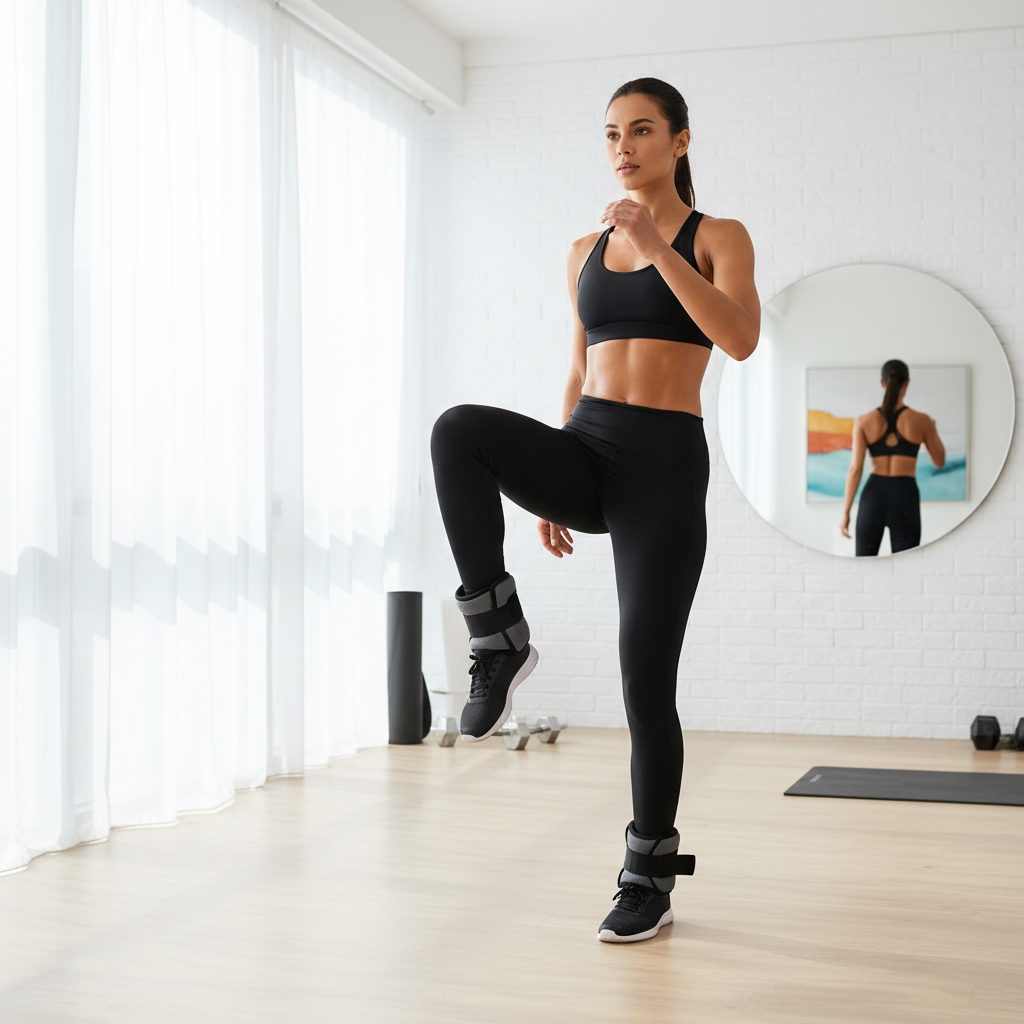
What ankle weights are actually good for (and what they’re not)
Ankle weights shine when you want a bit more resistance in controlled, joint-friendly movements, especially for glutes, hip flexors, and rehab-style strength work. They’re usually less helpful for high-impact cardio and anything that makes your stride sloppy.
Good uses tend to look like slow reps, clean alignment, and predictable range of motion.
- Glute and hip accessories: leg lifts, donkey kicks, hip abduction work
- Core and stability: dead-bug variations, slow mountain climbers (careful with form)
- Low-impact conditioning: controlled step-ups, gentle walking for some people
- Physical therapy-style strengthening: when a clinician recommends it
Less ideal uses are usually anything where added ankle load changes your gait mechanics or encourages momentum.
- Fast running or sprint intervals
- Jump-heavy HIIT
- Long walks when your knees already complain
- Kicking drills if you can’t keep your pelvis stable
According to ACE (American Council on Exercise), wearable weights can increase joint stress if they change your movement mechanics, so the “best” choice often comes down to control and appropriate load rather than chasing heavier numbers.
How to pick the best ankle weights for workouts: a quick comparison
Most people get stuck on pounds, but comfort and fit decide whether you’ll actually use them. This table helps you match common designs to real-life needs.
| Type | Typical best for | Pros | Watch-outs |
|---|---|---|---|
| Adjustable strap weights | Most home workouts, beginners to intermediate | Easy to progress, usually affordable, good fit range | Can rub if straps are rough, may shift during dynamic moves |
| Contoured/ergonomic cuffs | Comfort-focused users, longer sessions | Less sliding, more comfortable pressure distribution | Often pricier, sometimes limited weight range |
| Fixed-weight (sand/steel shot) | Simple grab-and-go routines | No parts to lose, consistent feel | Harder to scale gradually, “too heavy too soon” risk |
| Soft weighted bands | Light resistance, Pilates-style work | Comfortable, minimal bulk | May not stay put, limited load for strength goals |
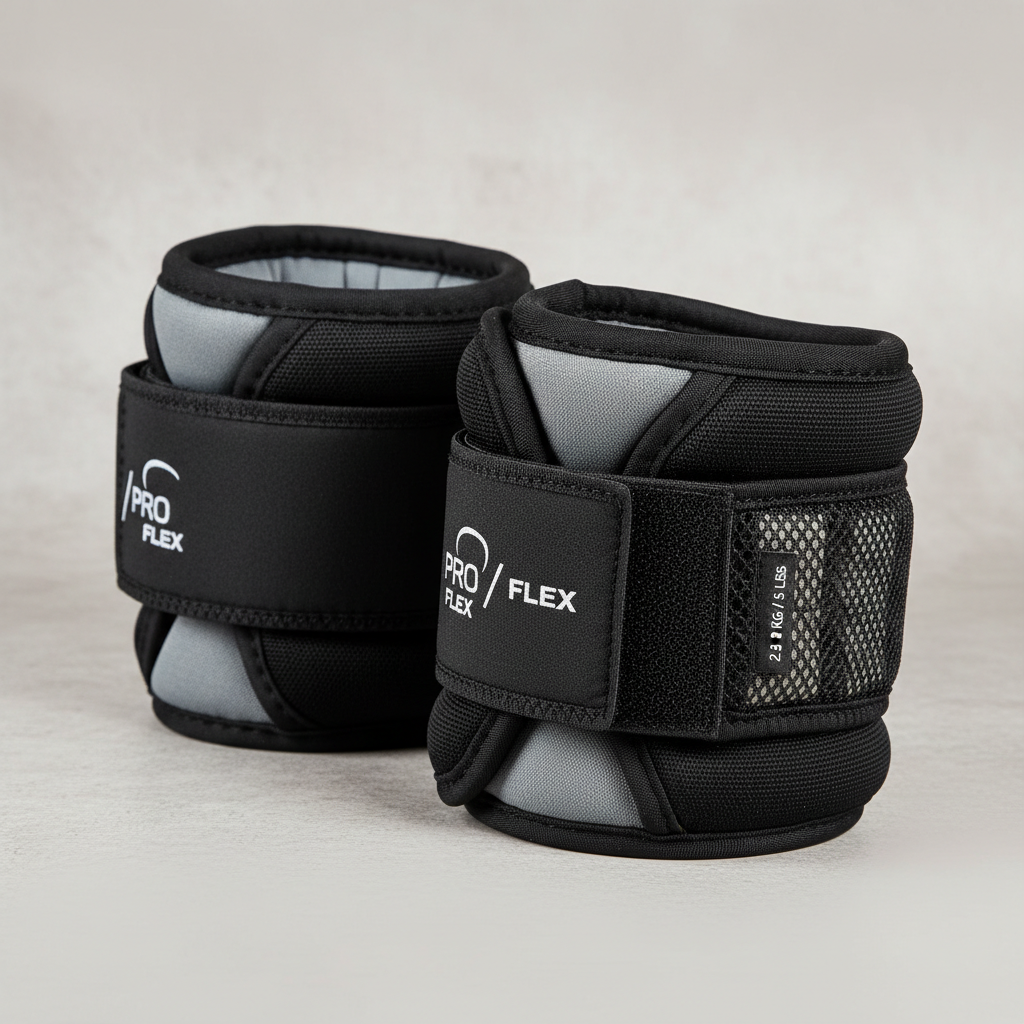
Key features that matter more than “heaviest wins”
If you only remember a few buying rules, make them these. Comfort and control usually beat raw load for ankle-based training.
- Secure closure: Velcro that stays locked after sweat, plus a strap length that matches your ankle size
- Padding and edge softness: reduces rubbing around the ankle bones
- Balanced weight distribution: “lumpy” weights can pull your foot into awkward angles
- Low-profile design: less chance of clipping your other leg during walking or step work
- Washable or wipeable material: you’ll avoid the “gym bag forever smell” problem
One practical tip: if the product photos don’t clearly show interior padding or strap width, that often means comfort was not the priority. That doesn’t make it unusable, it just changes where it fits in your plan.
How heavy should ankle weights be for fitness goals?
For ankle weights fitness, “light and consistent” usually beats “heavy and occasional.” Many people do better starting with 0.5 to 2 lb per leg, then slowly progressing if form stays clean.
Simple starting points (not medical advice)
- Beginner / returning to exercise: 0.5–1 lb each, focus on control and no joint pain
- General strength accessories: 1–3 lb each, higher reps with strict tempo
- Strong lower body, targeted accessories: 3–5 lb each, only if movement stays smooth
Going beyond that can make sense in certain programs, but it becomes more individual. If you feel the weight “swinging” you through reps, you’re not really training the muscle the way you think you are.
Quick self-check: are ankle weights a good idea for you right now?
This is the part many people skip. If you answer “yes” to the wrong questions, ankle weights can become a shortcut to irritation rather than progress.
- You can keep your knee tracking stable during leg lifts and step-ups, without the knee caving inward
- You can walk normally with a light load, no limping, no hip hiking
- No sharp pain in knees, hips, ankles, or low back during or after
- You’re okay progressing slowly, adding small increments rather than big jumps
If any joint already feels “iffy,” consider using ankle weights only for floor-based or supported movements, or skip them and use bands/cables instead.
Best ways to use ankle weights (workout ideas you can actually follow)
You’ll get more out of ankle weights when you treat them like an accessory tool, not the main event. Pick 2–4 movements, keep the session short, and stop before your form degrades.
Mini routine A: Glutes and hips (10–15 minutes)
- Side-lying leg raises: 2–3 sets of 10–15 per side, slow up/slow down
- Donkey kicks: 2–3 sets of 10–12 per side, keep ribs down
- Fire hydrants: 2 sets of 8–12 per side, avoid rotating your torso
Mini routine B: Core + lower body control (8–12 minutes)
- Dead bug (weighted legs): 2–3 sets of 6–10 slow reps per side
- Standing hip flexion lifts (hold a wall): 2–3 sets of 8–12 per side
- Step-ups (low step): 2 sets of 8–10 per side, keep it smooth
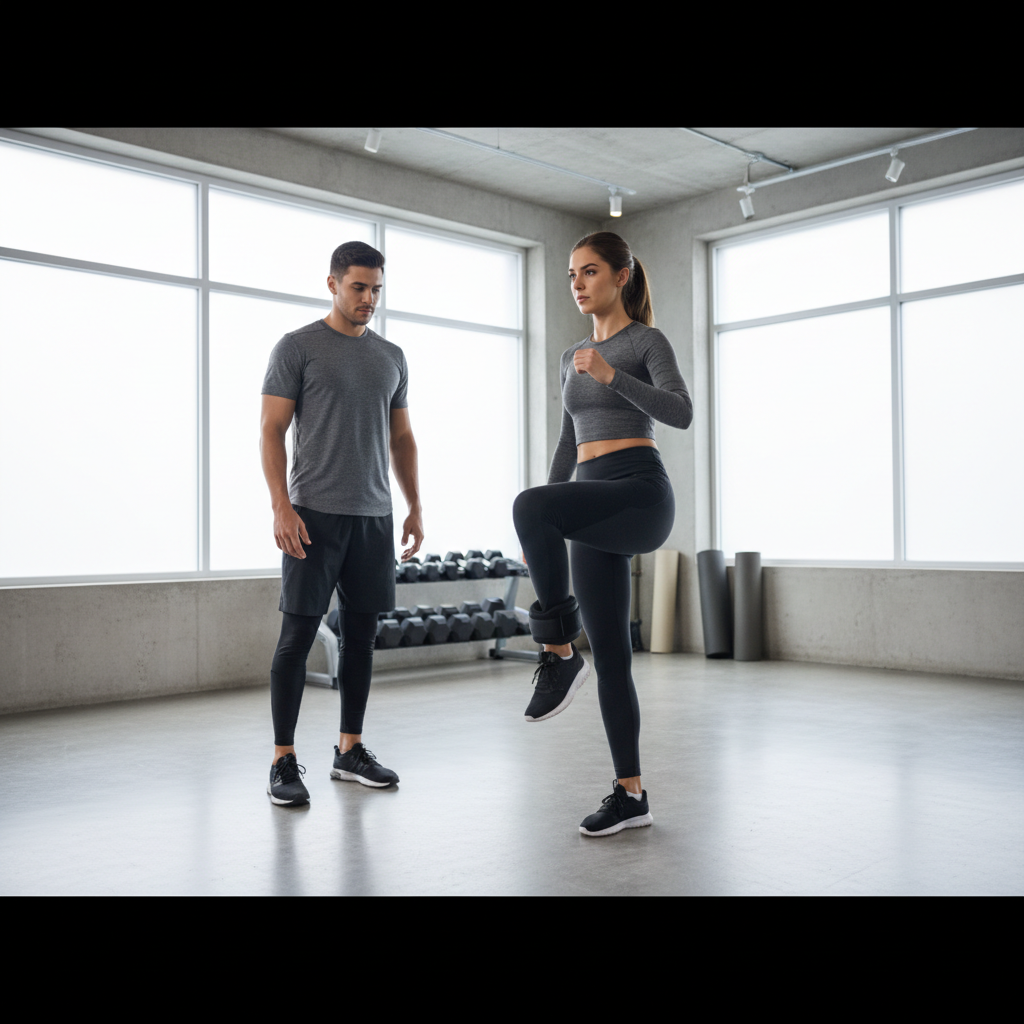
Practical progression rule (easy to remember)
- Keep the same weight until you can complete all sets with no swinging, no joint pinch, no compensation.
- Then add a small increment (or add reps), not both at once.
According to CDC guidance on strength training, building muscular strength typically benefits from consistent resistance work across the week, so you’ll usually progress faster with lighter loads used regularly than heavy loads used once in a while.
Common mistakes (and how to avoid them)
The biggest mistakes are predictable, which is good news because they’re also easy to prevent once you spot them.
- Mistake: Using ankle weights for running
Fix: Use them for controlled accessories, or switch to a weighted vest if you want load during walking. - Mistake: Buying bulky cuffs that bump your other leg
Fix: Choose a low-profile design if you plan to do step-ups, walking, or dynamic moves. - Mistake: Going heavy to “feel it”
Fix: Slow the tempo and pause at the top, you’ll feel the muscle without stressing joints as much. - Mistake: Letting the strap slide
Fix: Reposition above the ankle bone, tighten evenly, and stop if numbness or tingling shows up.
If you notice swelling, sharp pain, numbness, or pain that escalates over 24–48 hours, that’s not “good soreness.” Back off and consider getting individualized advice.
When to get professional guidance
If you have a history of knee, hip, ankle, or low-back injuries, it’s worth checking with a physical therapist, athletic trainer, or qualified coach before loading your ankles. This matters even more if you have balance issues or neuropathy symptoms like tingling or loss of sensation.
According to NIH, pain that persists or worsens can be a sign you need evaluation rather than more training tweaks, and wearable resistance is still resistance, your body has to tolerate it.
Conclusion: picking the “best” ankle weights is mostly about fit and restraint
The best ankle weights for workouts are usually the pair you can wear comfortably, adjust gradually, and use with clean form. If you keep loads modest and choose controlled movements, ankle weights can add meaningful challenge without turning every session into a joint-stress experiment.
If you want one action step, pick a comfortable adjustable pair, start lighter than your ego wants, and run the 10-minute glute-and-hip routine twice a week for two weeks, then reassess how your body feels.
FAQ
Are ankle weights good for walking workouts?
Sometimes, but it depends on how you walk. If your stride changes, your hips hike, or your knees feel irritated, skip it and use a weighted vest or incline walking instead.
What’s a safe starting weight for ankle weights fitness at home?
Many people start around 0.5–1 lb per ankle and focus on slow, controlled reps. If you have any joint concerns, a professional can help you pick a safer starting point.
Do ankle weights help build glutes?
They can help by adding resistance to glute-focused accessory moves like leg raises and kickbacks. They won’t replace progressive strength work like squats or hip thrusts, but they can complement it.
Can ankle weights tone legs?
“Tone” usually means building muscle and reducing body fat. Ankle weights may support muscle endurance and shape when paired with a full program, but they’re not a standalone fix.
Should ankle weights be tight or loose?
Snug, not restrictive. They should stay in place without cutting circulation. If you feel numbness, tingling, or strong pressure on the ankle bone, adjust or stop.
Is it better to use ankle weights or resistance bands?
For joint comfort and line-of-pull control, bands often feel better. Ankle weights are convenient and consistent for gravity-based moves. Many routines benefit from using both.
How often should I use ankle weights?
Two to three short sessions per week works for many people, especially when used as accessories. Daily use can be fine at light loads if your joints stay happy, but it’s not mandatory.
Quick takeaway: what to look for when shopping
- Adjustable load so you can progress slowly
- Soft padding that won’t rub your ankle bones
- Secure straps that don’t slip mid-set
- Low-profile shape if you plan to walk or do step work
If you’re trying to choose between two options and want a more “set it and forget it” setup, aim for comfort-first adjustable cuffs, then build your routine around controlled movements where your form stays honest.