
Ab core training works best when you treat your midsection like a strength system, not a “six-pack muscle” you burn out with endless crunches. If your core feels weak, your back gets tight after sitting, or you plateau on lifts and runs, the fix is usually smarter exercise selection and better progression, not more reps.
The reason this topic matters is simple: your core is the link between your upper and lower body. When that link is leaky, other joints often pick up the slack, hips, low back, even shoulders. Many people chase ab fatigue, but what they really need is control, bracing, and endurance in the positions they live and train in.
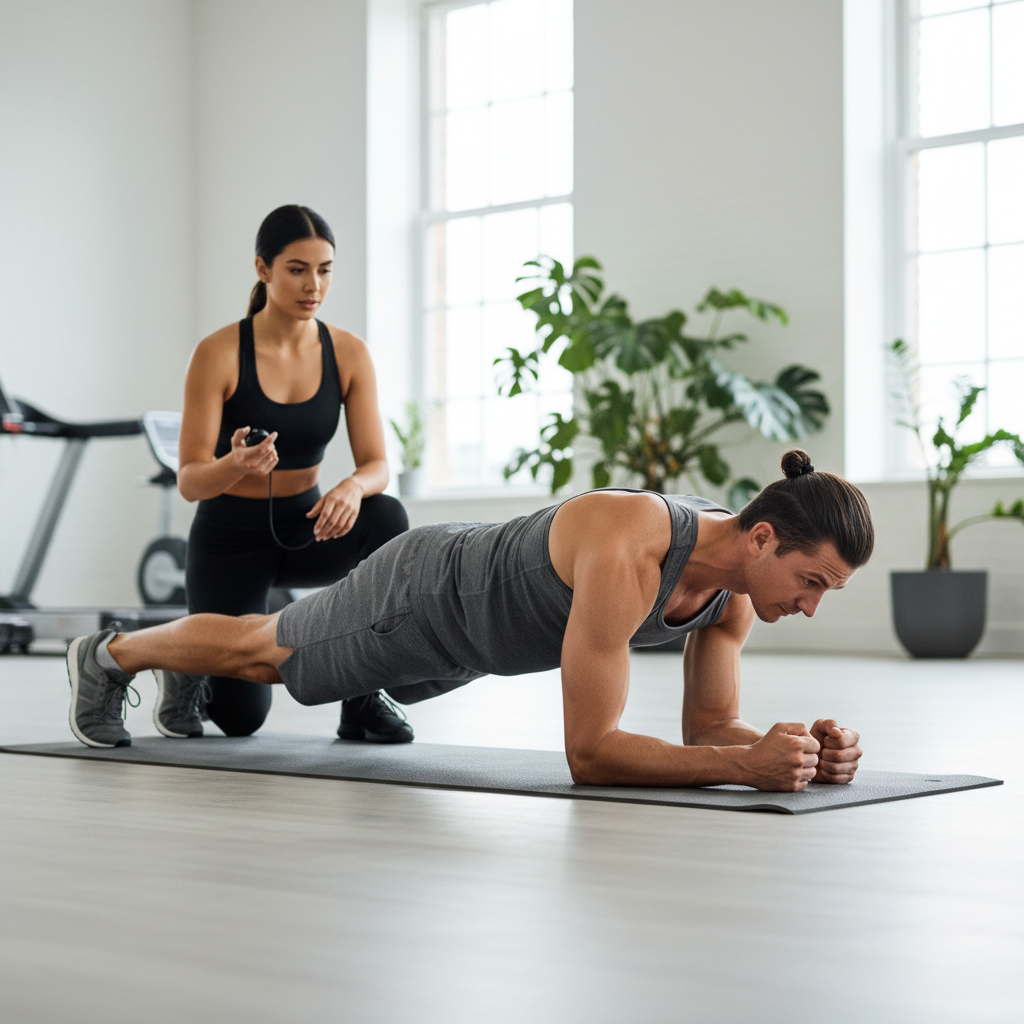
This guide keeps it practical: why your core may not be responding, a quick self-check, and a plan you can run for 4–6 weeks. You’ll also see common mistakes that make “core days” feel busy but not productive.
What “core” really means (and why it changes how you train)
Your core includes more than the front of your abs. Think of it as a canister: front (rectus abdominis), sides (obliques), deep stabilizers (transverse abdominis), back (erector spinae), plus hips and glutes that help keep your pelvis steady.
In many gym programs, ab work becomes a separate “burn” segment. Useful sometimes, but if your goal is a stronger midsection, you want drills that train:
- Bracing: creating full-torso tension to protect the spine under load
- Anti-extension: resisting your low back arching (planks, rollouts)
- Anti-rotation: resisting twisting (Pallof press, carries)
- Anti-lateral flexion: resisting side-bending (suitcase carries, side planks)
According to the American Council on Exercise (ACE), effective ab training emphasizes quality movement and proper form rather than chasing high-rep fatigue. That’s a good north star for how you’ll choose and perform exercises.
Why your midsection still feels weak (common real-world reasons)
If you’ve been consistent but don’t feel stronger, it’s often one of these issues. None of them are “you’re lazy” problems, they’re programming problems.
- You’re only doing flexion (crunches, sit-ups). Those can help, but they don’t cover bracing or anti-rotation, which many people actually need.
- Form drifts as soon as it gets hard. Your abs quit, your hip flexors take over, and your low back arches, you feel work, but not the right work.
- No progression. Doing the same plank time or same cable crunch weight for months stops creating a training signal.
- Breathing is backwards. If you can’t exhale and brace without shrugging or flaring ribs, your “core” effort leaks upward into neck and shoulders.
- You train core after you’re wrecked. Putting ab core training at the very end can work, but if you’re always exhausted, you may never practice clean reps.
One more thing people don’t love hearing: if your goal is visible definition, diet and overall activity matter a lot. Core strength and “seeing abs” overlap, but they are not the same project.
Quick self-check: what kind of core training do you need most?
Use this as a practical filter. You’re not diagnosing anything, just deciding what to prioritize for the next month.
- Plank test: Can you hold a forearm plank 30–45 seconds with ribs down and no low-back sag? If not, prioritize anti-extension and bracing.
- Side plank test: Can you hold 20–30 seconds each side without hips dropping? If not, prioritize anti-lateral flexion and glute med work.
- Single-leg balance: Can you balance 20 seconds each side without pelvis hiking or twisting? If not, add anti-rotation and hip stability drills.
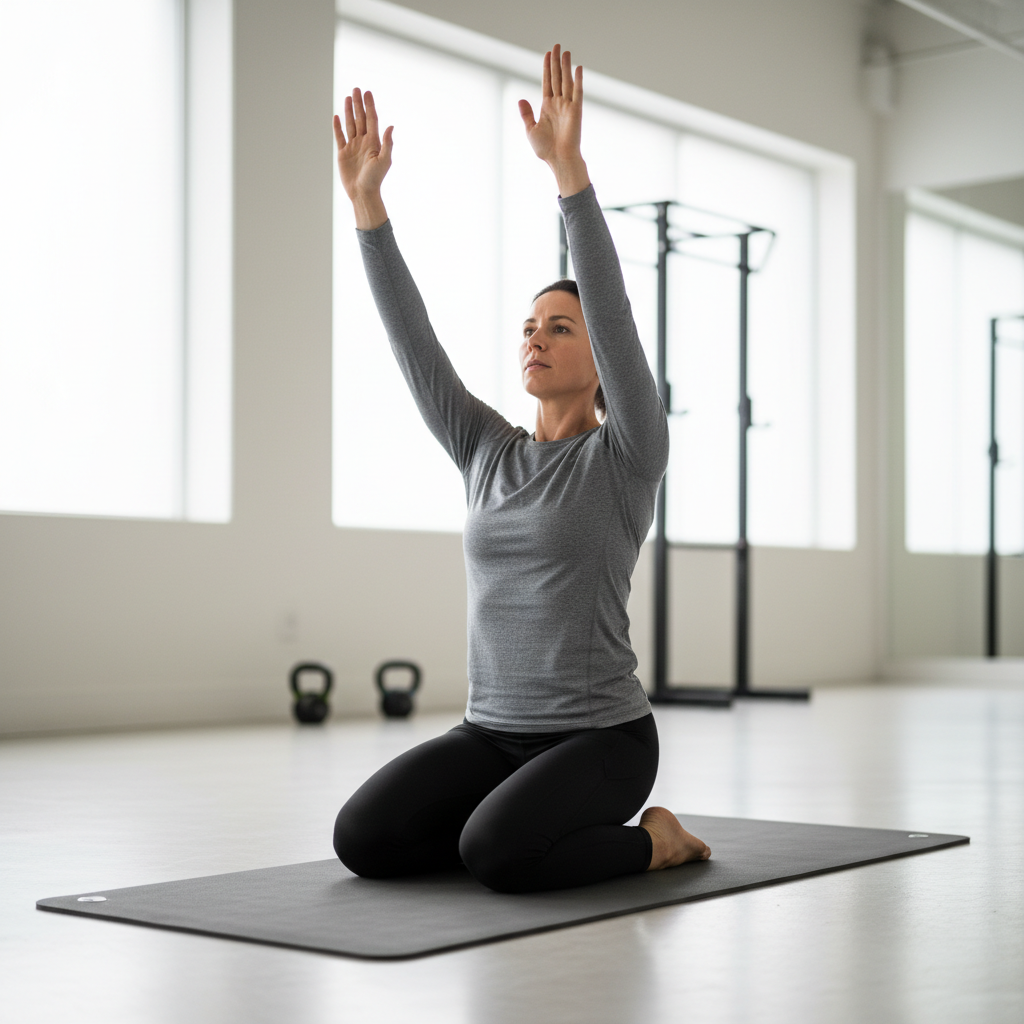
- Overhead reach: Can you raise arms overhead without rib flare? If not, integrate breathing plus rib control (dead bug variations).
If any movement causes sharp pain, numbness, or symptoms down the leg, that’s a different lane, and it’s smart to stop and consult a qualified healthcare professional.
The exercise menu: choose moves that match your goal
Below is a simple way to pick exercises without overthinking. You do not need all of them at once, pick 1–2 patterns per session and rotate over the week.
Anti-extension (protects against low-back arching)
- Dead bug (start here if you’re unsure)
- Front plank variations (reach plank, long-lever plank)
- Stability ball rollout or ab wheel rollout (advanced)
Anti-rotation (helps when twisting or shifting knocks you off)
- Pallof press hold
- Half-kneeling cable chop lift/low
- Single-arm farmer carry (suitcase carry)
Anti-lateral flexion (keeps you from collapsing sideways)
- Side plank (bent-knee to straight-leg)
- Suitcase carry (slower steps, tall posture)
- Offset rack carry (advanced)
Controlled flexion (still useful, just not the only tool)
- Cable crunch (heavy, controlled, spine moves on purpose)
- Reverse crunch (posterior pelvic tilt, slow lowering)
- Hanging knee raise (avoid swinging)
A simple 4-week ab core training plan (2–3 days/week)
This setup fits most people who lift, run, or do classes. Keep it short, 10–15 minutes, and focus on clean reps. If you train hard, two sessions often beats cramming more volume.
| Week | Session A (Anti-extension + Carry) | Session B (Anti-rotation + Flexion) | Progress rule |
|---|---|---|---|
| 1 | Dead bug 3x6/side, Suitcase carry 4x20–30m | Pallof hold 3x20–30s/side, Cable crunch 3x8–10 | Stop sets with form still “clean” |
| 2 | Long-lever plank 4x15–25s, Suitcase carry 4x25–35m | Pallof press 3x8–10/side, Reverse crunch 3x8–12 | Add 5–10s or small load |
| 3 | Stability ball rollout 4x6–10, Suitcase carry 5x20–30m | Half-kneeling chop 3x8/side, Cable crunch 4x6–8 | Increase difficulty, not sloppier reps |
| 4 | Plank reach 4x10 reaches, Suitcase carry 5x25–35m | Pallof hold 4x25–35s/side, Hanging knee raise 3x6–10 | Choose one upgrade, keep rest steady |
Key point: ab core training should feel like you’re building pressure and control, not just burning the front of your stomach. If you can’t breathe quietly through a set, you may be going too hard for the quality you need.
Technique cues that keep your core work “honest”
Most core exercises fail the same way: ribs flare, low back arches, shoulders creep up. These cues are simple, but they change everything.
- Exhale first: a slow exhale helps bring ribs down so you can brace without overextending.
- “Belt buckle up”: think slight posterior pelvic tilt, especially in dead bugs and reverse crunches.
- Own the bottom range: the hardest position is where you get stronger, don’t rush past it.
- Stop 1–2 reps early: technical failure beats muscular failure for most core work.
According to the National Strength and Conditioning Association (NSCA), foundational strength training benefits from controlled technique and appropriate loading, which applies to core training as much as squats and presses. If you treat these drills like skill practice, they usually pay off faster.
Common mistakes and what to do instead
These show up a lot in real gyms, especially when people “add abs” at the end and hope it covers everything.
- Mistake: Doing high-rep sit-ups every session. Try: alternate flexion days with anti-rotation or carries.
- Mistake: Holding planks forever. Try: shorten sets, increase lever length, add reaches, or load carries.
- Mistake: Letting hip flexors dominate. Try: dead bug, reverse crunch with slow lowering, or reduce range until pelvis control stays solid.
- Mistake: Copying advanced ab wheel progressions too early. Try: stability ball rollouts, then partial ab wheel reps.

Real talk: if core work always feels like your neck is working, you’re probably bracing through the upper traps. Drop intensity and rebuild the pattern, it’s boring for a week, then it clicks.
When to get extra help (and how to keep it safe)
Core training is generally safe when it’s progressive and controlled, but there are scenarios where guessing is expensive.
- Persistent low-back pain that worsens with basic bracing drills
- Radiating pain, numbness, tingling, or weakness in a leg
- Postpartum return-to-exercise questions, including suspected diastasis recti
- Hernia concerns or post-surgical considerations
In those cases, it’s reasonable to consult a physical therapist or qualified clinician, especially one who works with active people. If you’re cleared to train, ask for exercise progressions and “stop signs” so you can build confidence without pushing through the wrong signals.
Conclusion: a stronger midsection comes from smarter patterns, not more suffering
If you take one thing from this, let it be this: prioritize anti-extension, anti-rotation, and carries, then sprinkle in flexion work with intent. Run a simple plan for four weeks, progress one variable at a time, and keep technique strict enough that you could repeat the same rep on camera without cringing.
If you want a next step, pick two sessions from the table, schedule them on your calendar, and track just one metric, plank quality, carry distance, or cable crunch load. Consistency plus small upgrades usually beats a complicated “perfect” routine.
FAQ
How often should I do ab core training each week?
For most people, 2–3 focused sessions per week works well, especially if you already lift or play sports. Daily core can be fine, but only if intensity stays moderate and form stays sharp.
Are crunches bad for your back?
They’re not automatically bad, but they’re not always the best first choice. If flexion makes your back feel worse, start with anti-extension work like dead bugs and planks, and consider asking a professional for guidance.
What’s better for core strength: planks or sit-ups?
Planks often build bracing and spine control, while sit-ups train flexion strength and endurance. Many people benefit from both, but planks and carries usually give more “transfer” to lifting and posture.
Why do I feel core exercises mostly in my hip flexors?
That often happens when the pelvis tips forward and the abs can’t keep ribs and hips stacked. Reduce range of motion, slow down, and focus on exhaling to set rib position before the rep.
Can ab core training help with low-back discomfort from sitting?
It might, particularly if you build endurance in bracing and improve hip stability, but discomfort can have multiple causes. If symptoms persist or intensify, it’s smart to consult a clinician.
How do I progress without doing longer and longer planks?
Use harder variations (long-lever, reach planks), add load with carries, or increase tension by slowing tempo. Keeping sets shorter and higher quality usually produces better results than marathon holds.
Do I need equipment for effective core training?
No, you can get far with dead bugs, planks, side planks, and controlled hollow holds. A cable stack, kettlebell, or resistance band just makes progression easier and more measurable.
If you’re already training consistently but your midsection still feels “soft” under load, a more structured ab core training routine, with clear progressions and a quick form check, is often the missing piece. If you’d rather not guess, working with a coach or PT for even a session or two can help you pick the right variations and clean up the details.