
Protein Powder can help muscle growth, but only when it matches your training, total daily protein target, and digestion tolerance.
A lot of people buy a tub based on hype, then wonder why strength stalls, stomach feels off, or the “30g per scoop” math never seems to add up. The real win is choosing a powder you can use consistently, that fits your calories, and that actually plays well with your meals.
This guide breaks down the main types, what to look for on labels, and how to choose by scenario like lean bulking, lactose sensitivity, or needing a budget option. I’ll also include a quick comparison table and practical dosing ideas so you can stop guessing.
What actually drives muscle growth (and where protein powder fits)
Muscle growth responds best to progressive resistance training, enough total calories (or at least not a severe deficit), and sufficient protein spread across the day. Supplements don’t replace that foundation, they just make it easier to hit targets.
According to the International Society of Sports Nutrition (ISSN), protein intake and timing can support adaptations to resistance training, and high-quality protein sources are practical tools for athletes and active adults.
Think of Protein Powder as a convenience lever. If you already hit protein from food easily, it may not change much. If you routinely come up short, it can be the difference between “almost enough” and consistent progress.
- Best use case: closing a daily protein gap without extra cooking.
- Not a magic move: swapping meals for shakes while training inconsistently.
- Hidden benefit: predictable macros when bulking or cutting.
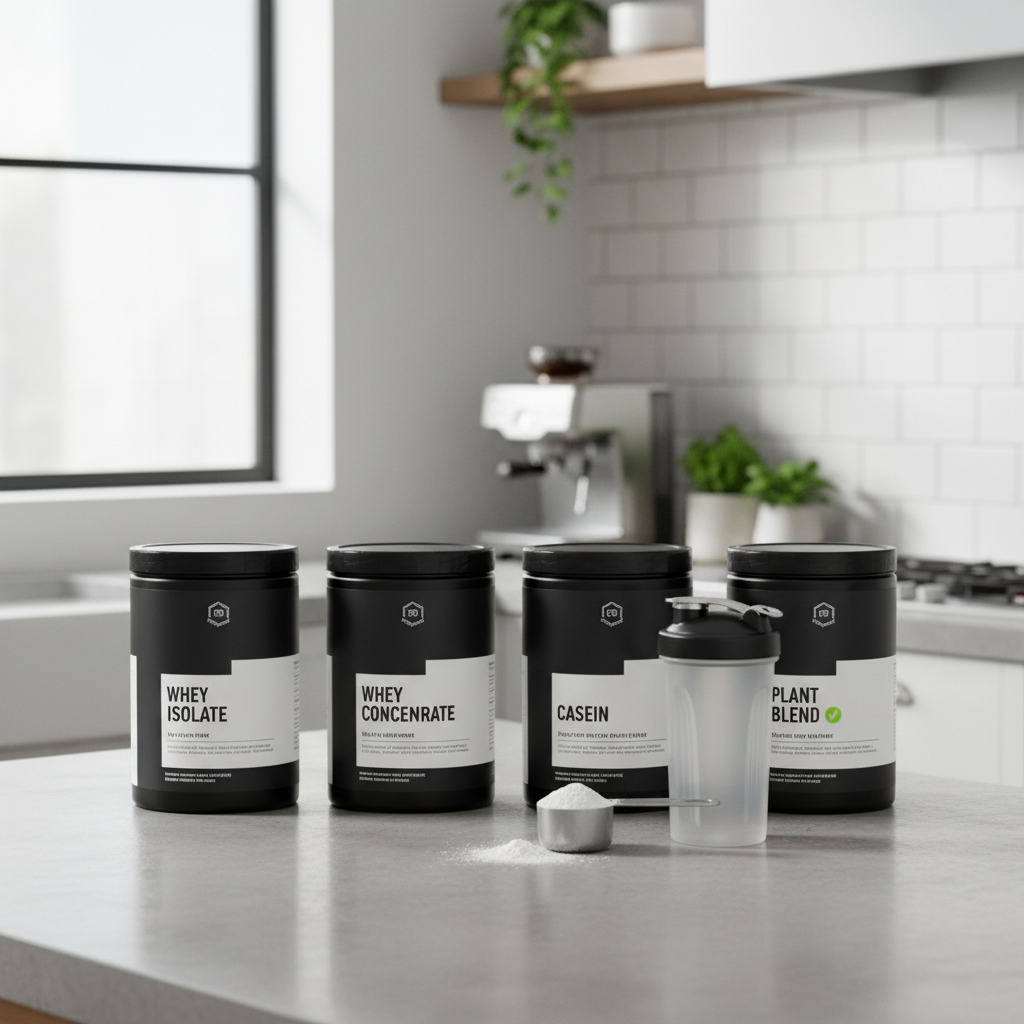
Types of protein powder: whey, casein, plant, and “other” options
Most people searching for the best option for muscle growth end up comparing whey isolate vs concentrate, then get stuck. Here’s the practical view: pick the type that you digest well and will actually drink.
Whey concentrate
Often the best value per serving, with solid taste and texture. It typically contains a bit more lactose and fat than isolate, which matters if dairy bothers you.
Whey isolate
Usually higher protein percentage per scoop and lower lactose. If you want a “cleaner” macro profile for a cut, or you get mild digestive issues from concentrate, isolate is a common upgrade.
Casein
Slower-digesting milk protein, thicker texture. Many people like it at night because it’s more filling, though daily totals still matter more than the clock.
Plant blends (pea + rice, etc.)
Good option if you avoid dairy. Many single-source plant proteins can be lower in one or more essential amino acids, so blends often work better for muscle-building coverage.
Egg protein, beef protein, collagen
Egg can be a solid alternative if dairy is a problem. “Beef protein” varies a lot by brand and processing. Collagen is popular for joints and skin, but it’s typically not ideal as your primary muscle-building protein because its amino acid profile differs from complete proteins.
How to choose the best protein powder for your goal (quick decision guide)
Instead of chasing one “best,” match your situation. Most buyers fall into one of these buckets:
- Lean bulk: whey concentrate or isolate, depending on digestion and calories.
- Cutting: whey isolate or a lean plant blend with higher protein per calorie.
- Lactose sensitive: whey isolate, or plant blend, or egg protein.
- Need more fullness: casein, or add fruit/oats to a whey shake.
- Budget-first: whey concentrate, but verify serving size and protein per serving.
If you’re allergic to milk, don’t “test” whey casually, choose a non-dairy option and consider checking with a clinician if you’re unsure about ingredients.
Label reading that actually matters (so you don’t overpay)
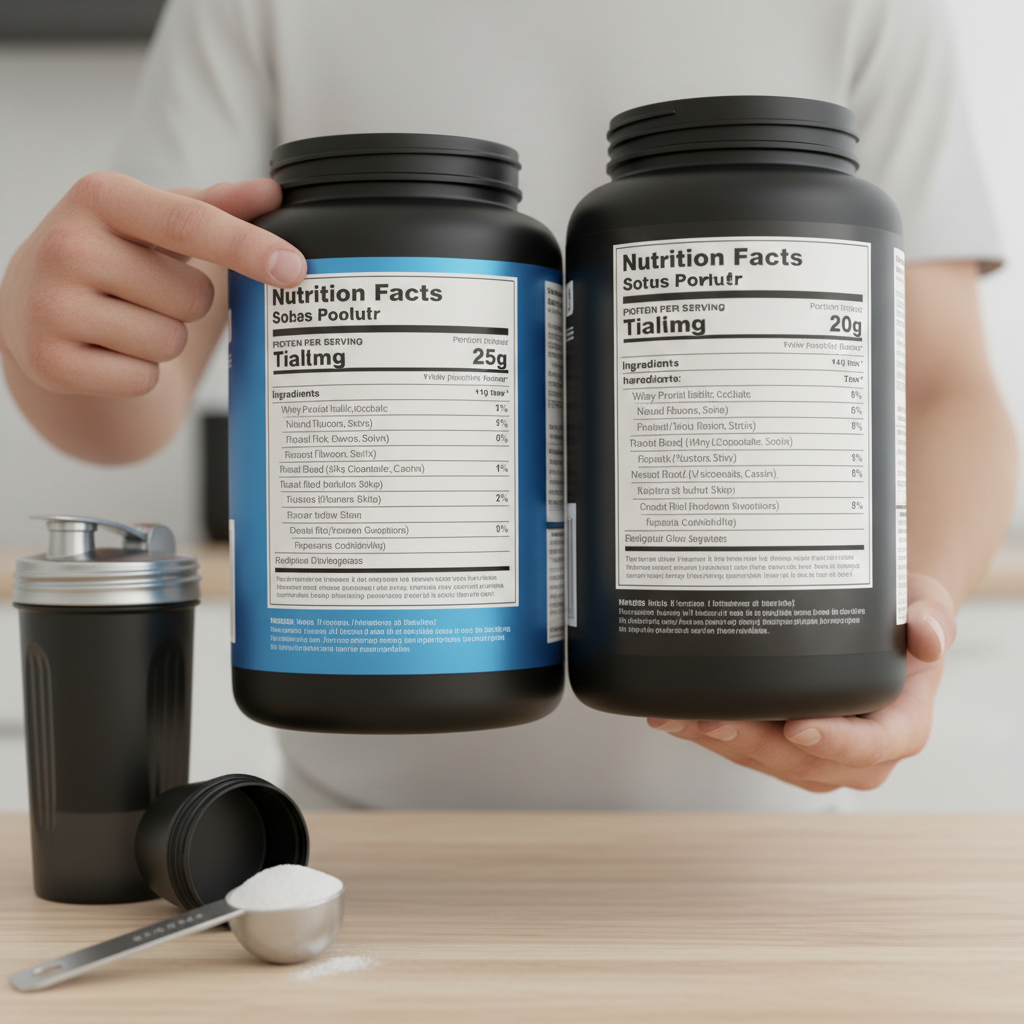
Marketing claims are loud, labels are where the truth hides. When you’re buying Protein Powder for muscle growth, the goal is simple: reliable protein content, minimal surprises for your stomach, and a price that makes consistency realistic.
- Protein per serving: look at grams of protein, not “scoop size.” Scoop sizes vary.
- Calories per serving: higher calories can be fine for bulking, annoying for cutting.
- Added sugar and fillers: some gums and sugar alcohols bother digestion in many cases.
- Allergens: milk, soy, and sometimes traces of nuts or gluten depending on facility.
- Third-party testing: According to NSF International, third-party certification programs can help reduce risk of banned substances or label inaccuracies, which matters more for tested athletes.
One more detail people miss: “proprietary blends” can make it harder to know what you’re getting. прозрач is better here, even if the front label looks less exciting.
Comparison table: common picks and who they suit
This table won’t name brands because formulations change, but it will help you choose a category quickly.
| Type | Why people choose it | Potential downsides | Best fit |
|---|---|---|---|
| Whey Concentrate | Good taste, strong value | More lactose for some, calories may be higher | Most lifters on a budget |
| Whey Isolate | Higher protein density, lower lactose | Costs more, can taste “thinner” | Cutting, mild dairy sensitivity |
| Casein | More filling, slower digestion | Thick texture, can be harder to mix | Nighttime snack replacer, appetite control |
| Plant Blend (Pea/Rice) | Dairy-free, often easier on lactose issues | Texture varies, some need flavor masking | Vegan, dairy-free diets |
| Egg Protein | Complete protein without dairy | Price, taste preferences | Dairy-free but not vegan |
Practical dosing and timing (simple, not obsessive)
The “best” schedule is the one you repeat. According to the American College of Sports Medicine (ACSM), protein supports training adaptation, and distributing intake across the day is commonly recommended for active people.
Here’s a realistic approach that works for many lifters:
- Start with food: aim for a protein source at each meal.
- Use a shake to patch gaps: 20–40g protein per serving is a common range, but your needs vary by body size and goals.
- Post-workout: a shake is convenient, especially if you can’t eat soon. It’s not mandatory if you’ll eat a protein-rich meal within a reasonable window.
- Before bed: casein (or any protein) can help if nighttime hunger derails your intake.
If you have kidney disease, are pregnant, or manage a medical condition, higher protein targets may need a clinician’s guidance. For most healthy adults, moderate supplementation is typically well tolerated, but individual tolerance differs.
Common mistakes that make protein powder “not work”
Most disappointments come from a few predictable missteps. Fixing these usually matters more than switching brands.
- Counting scoops, not grams: always confirm protein grams per serving on the label.
- Using it to replace meals too often: you lose micronutrients, fiber, and satiety, which can backfire.
- Ignoring total calories: if you’re not in a surplus (for bulking) you may spin wheels, and if you’re in too big a surplus you may gain more fat than you want.
- Buying a tub you can’t stomach: digestive comfort is not “soft,” it determines consistency.
- Expecting fast change without progressive training: the shake can’t compensate for the program.
If a powder causes persistent bloating, cramps, or other symptoms, pause it and consider a simpler ingredient list or a different protein type, and consult a professional if symptoms persist.
Key takeaways and a simple next step
Protein Powder is most useful when it makes your daily protein intake easier and more consistent, not when it becomes the plan. If you want the cleanest, most broadly tolerated choice, whey isolate often fits, but plenty of people do great with concentrate or a quality plant blend.
Your next step can be boring on purpose: pick one type that matches your digestion and budget, use it for 2–3 weeks while tracking total daily protein, then reassess based on training performance, body weight trend, and how you feel.
FAQ
What is the best protein powder for muscle growth if I’m lactose intolerant?
Many people do better with whey isolate because it’s typically lower in lactose, but some still react. A plant blend or egg protein can be a safer bet if dairy consistently causes issues.
Is whey isolate better than whey concentrate for building muscle?
For muscle gain, both can work well if total daily protein is adequate. Isolate mainly helps when you want fewer calories, less lactose, or a higher protein percentage per serving.
How much protein powder should I take per day to gain muscle?
It depends on how much protein you already get from food. Many lifters use 1 serving per day (sometimes two) as a gap-filler, not as a primary food source. If you’re unsure, a sports dietitian can help set a target.
Should I drink a protein shake right after lifting?
If it’s convenient, it’s a practical habit, especially when your next meal is far away. If you can eat a protein-rich meal fairly soon, the timing is usually less critical than consistency.
What should I look for on a protein powder label?
Focus on protein grams per serving, calories, ingredient list (especially sweeteners and gums if your stomach is sensitive), and whether the product has third-party testing if that matters for your sport.
Can protein powder cause bloating or acne?
Some people notice bloating from lactose, sugar alcohols, or certain thickeners. Skin changes can happen for some individuals with dairy-based products, but it’s not universal, and other diet factors can be involved.
Is plant protein as good as whey for muscle growth?
Often yes, especially with a well-formulated blend and enough total intake. The main practical difference is taste/texture and ensuring you consistently reach your protein goal.
If you’re trying to pick a Protein Powder without wasting money, it often helps to start with your constraint, digestion, calories, budget, then choose the simplest product that fits. If you want, share your goal (bulk/cut/maintenance), dairy tolerance, and how many protein grams you hit from food, and I can suggest a short shortlist of types to consider.