
The best cycling wristband sweat band is the one that keeps sweat out of your hands without feeling bulky under gloves, and that sounds simple until you hit a long climb in humidity and your grip starts slipping.
Most riders buy whatever looks “sporty,” then get annoyed when it stays wet, rubs the wrist, or turns into a stink sponge after two washes. A wrist sweat band is a small accessory, but it can change how confident you feel on the bars, especially in summer, on indoor trainers, or during long events.
This guide focuses on what actually matters: absorbency versus dry time, sizing and pressure points, glove compatibility, and the kind of fabrics that hold up after repeated washes. I’ll also include a quick comparison table and a simple self-check so you can pick fast and move on.
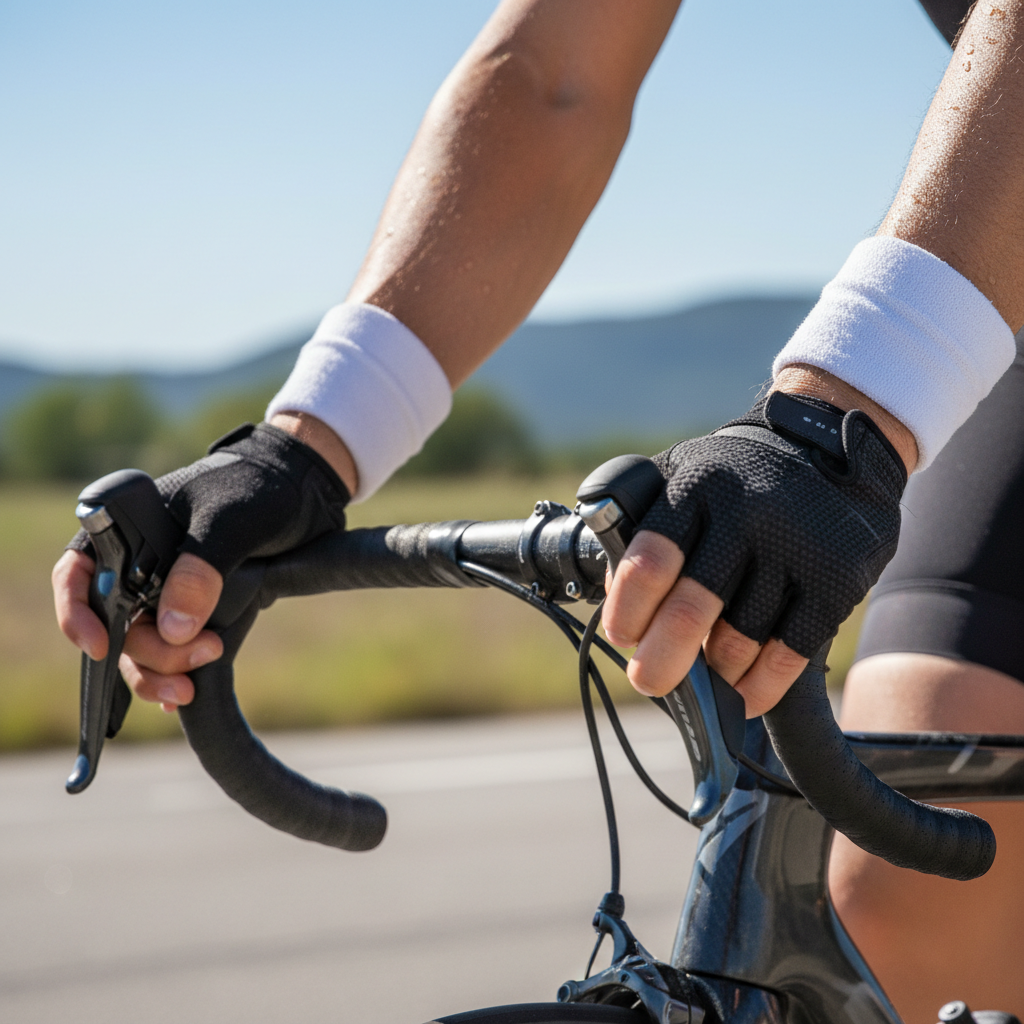
What a Cycling Wrist Sweat Band Should Do (And What It Can’t)
A cycling wrist sweat band has one main job: intercept sweat before it reaches your palms, so your grip stays steady and you’re not wiping your face with a glove that already feels damp. In real riding, it also helps keep sunscreen, salt, and grime from running down to your hands.
What it can’t do is “fix” extreme sweating on its own. If you soak through everything in minutes, you may still need a headband, better jersey ventilation, or changes to hydration and pacing. According to American Council on Exercise (ACE), sweat rate varies widely by individual and conditions, so it’s normal that one rider’s perfect band feels useless to another.
- Works well for: road, gravel, indoor trainer, commuting, hot climates, long climbs
- Often disappointing for: very loose fits, ultra-thin fashion bands, non-absorbent synthetics
Quick Comparison Table: Materials, Feel, and Best Use
If you’re scanning, start here. This table covers the trade-offs you usually notice after the first week.
| Material / Build | Absorbency | Dry Time | Comfort Under Gloves | Best For |
|---|---|---|---|---|
| Terry cotton (thick loop) | High | Slow | Good if not too bulky | Outdoor heat, steady sweating |
| Cotton + spandex blend | Medium-High | Medium | Usually best balance | Most riders, mixed conditions |
| Poly/nylon “performance” knit | Medium | Fast | Low bulk, can feel slick | Indoor training, quick-dry focus |
| Bamboo/viscose blends | Medium | Medium | Soft, can stretch out | Sensitive skin, casual rides |
| Ultra-thin elastic bands | Low | Fast | Great clearance, poor sweat control | Light perspiration only |
Why Wristbands Fail: Real-World Reasons Riders Get Annoyed
When someone says “wrist sweat bands don’t work,” it’s usually one of these issues, not the whole idea.
- Too loose: sweat runs under the band, then you’re basically wearing a damp bracelet.
- Too tight: you feel pressure at the wrist crease, especially on the hoods, and it can aggravate numbness for some riders.
- Wrong fabric for the job: some performance knits wick but don’t hold much, so they “spread” sweat instead of absorbing it.
- Bulky under gloves: the glove cuff bunches, creating a hotspot and rubbing during longer rides.
- Wash/care mismatch: fabric softener and heavy detergents can reduce absorbency and trap odors over time.
If you’re shopping for the best cycling wristband sweat band, read reviews with a filter: indoor-only riders often prefer thinner quick-dry bands, while outdoor summer riders often tolerate more thickness for better absorption.
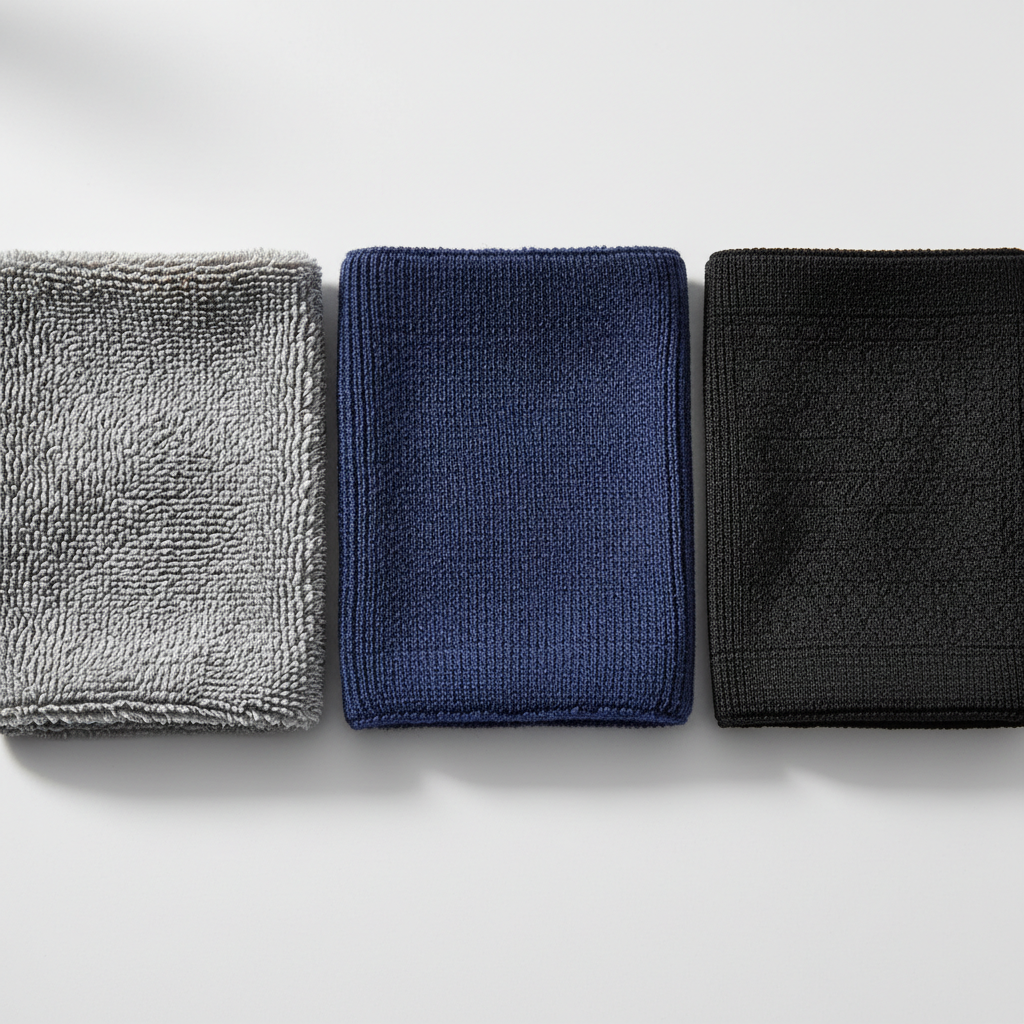
Self-Check: Pick Your Category in 60 Seconds
This is the shortcut. Match your typical ride and you’ll narrow down the options fast.
A. You sweat a lot and ride outside in heat
- Look for thicker terry or cotton-blend bands with noticeable pile
- Prioritize coverage: wider bands usually catch more drip
- Accept slower dry time, bring a spare for long events
B. You ride indoors (trainer / spin) and want quick dry
- Choose performance knit or lighter blends
- Focus on soft edges to reduce rubbing while you’re stationary
- Consider rotating pairs so one can fully dry between sessions
C. You get irritation or have sensitive skin
- Avoid rough seams and stiff elastic
- Try softer blends and wash before first use
- If rash persists, it may be a contact issue, consider asking a clinician
D. You wear long-cuff gloves or jackets most rides
- Go lower profile to prevent bunching
- Look for bands that stay put without “cutting” the wrist
How to Choose the Best Cycling Wrist Sweat Band (A Practical Checklist)
Here’s what I’d treat as non-negotiable before worrying about colorways.
- Fit that stays put: snug enough to resist sliding when wet, but not tight enough to leave deep marks after a ride.
- Edge comfort: soft cuff edges matter more than people expect, especially on long gravel days.
- Absorbency versus dry time: if you ride in humid areas, ultra-thick cotton can stay swampy; blends often feel more “balanced.”
- Width: 3–4 inches often works for cyclists, narrower bands can be fine if you sweat lightly.
- Wash durability: the band should keep shape after repeated washing; stretched-out bands become useless fast.
One more detail people overlook: salt. If you see white lines on your kit, rinse bands promptly. Salt can stiffen fibers and increase chafing over time.
Using Wristbands the Right Way: Setup, On-Ride Habits, and Care
The best cycling wristband sweat band still needs decent “deployment.” Small tweaks make a big difference.
Placement tips
- Wear it slightly above the wrist bone, not directly in the crease, so it doesn’t fold when you bend your hand.
- If you use gloves, put the band on first, then adjust glove cuff so it sits cleanly without bunching.
- For heavy sweaters, two thinner bands can feel better than one thick band, depending on glove fit.
On-ride habits that keep hands drier
- Wipe forehead/temples early, before sweat becomes a constant stream.
- On long climbs, do quick wipes in predictable moments, not during technical sections.
- If your band is soaked, swap mid-ride when practical, a spare weighs almost nothing.
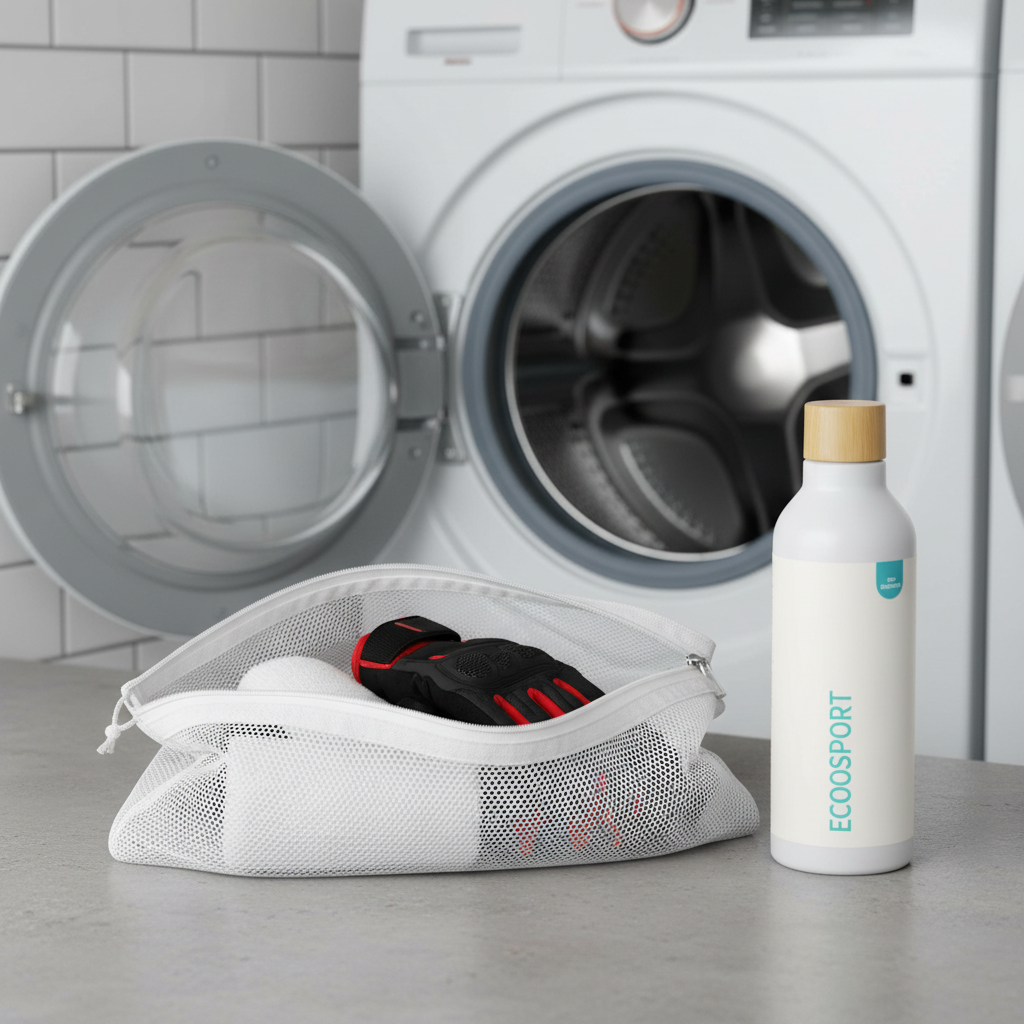
Wash and longevity
- Rinse after hot rides, then machine wash warm with regular detergent.
- Skip fabric softener if absorbency drops; it can leave residue on fibers.
- Air dry when possible to reduce elastic fatigue.
According to Centers for Disease Control and Prevention (CDC), cleaning athletic textiles regularly helps reduce odor-causing buildup; it’s not glamorous, but it keeps gear wearable.
Key Takeaways (So You Don’t Overthink This)
- Choose thickness based on sweat volume, not on what looks sleek online.
- Blends often win because they balance absorption, comfort, and wash durability.
- Fit beats brand; a slipping band is dead weight.
- Care matters; residue and salt shorten life and reduce performance.
Conclusion: A Small Upgrade That Pays Off Every Ride
Finding the best cycling wristband sweat band usually comes down to matching fabric and thickness to your sweat level, then getting the fit right so it stays comfortable under gloves. If you’re constantly wiping your hands or losing confidence on descents because your palms feel slick, a better band is a surprisingly straightforward fix.
Your next step is simple: pick one style based on your riding category, buy two pairs so you can rotate, then reassess after a week of rides. If you deal with unusual skin irritation, numbness, or excessive sweating that feels out of proportion, it may be worth checking with a medical professional.
Action idea: before your next hot ride, set out a spare band and a small zip bag, swapping mid-ride often feels like a reset button.
FAQ
What size wrist sweat band is best for cycling?
Most cyclists do well with a medium-width band that covers a few inches of forearm, but sizing varies by brand. If you wear gloves with longer cuffs, a lower-profile band often reduces bunching.
Are cotton wristbands better than “performance” materials?
Cotton terry often absorbs more, which helps outdoors in heat, but it can stay wet longer. Performance knits may dry faster, which some indoor riders prefer, even if they feel less “thirsty.”
How do I stop a wristband from sliding when it gets wet?
Sliding usually means it’s slightly too loose or the elastic has stretched. Try a snugger size, avoid high-heat drying, and replace bands that no longer rebound.
Do wrist sweat bands help with handlebar grip?
They can, indirectly, by keeping sweat off your palms and glove padding. If grip still feels sketchy, check glove condition and bar tape texture, since those often matter just as much.
How often should I wash cycling wrist sweat bands?
If you sweat heavily, washing after each ride keeps them softer and reduces odor buildup. For lighter use, every few rides may be fine, but a quick rinse after salty rides helps.
Can wristbands cause chafing or wrist discomfort?
They can if the edge is stiff, the band is too tight, or it sits in the wrist crease. Moving it slightly up the forearm and choosing softer cuffs usually helps; persistent numbness or pain is a reason to consult a clinician.
Should I wear one wristband or two when cycling?
Two is common if you sweat a lot or wipe your face with both hands. If you mainly wipe with one side or wear a watch/computer on one wrist, one band can be more comfortable.
If you’re trying to build a more comfortable hot-weather kit and want a more “set it and forget it” setup, it can help to choose wristbands that match your glove cuff height and buy a small rotation so you always have a dry pair ready for the next ride.